Vegetarian Low Fat Recipes
Can you enjoy delicious meals without heavy oils or cream? Many people think healthy eating means losing flavor, but it does not. Vibrant produce, hearty legumes, and whole grains create satisfying meals that fuel your body well.
Our vegetarian low fat recipes show that plant-based cooking can be simple and tasty. These meals feature fiber-rich ingredients while keeping calories in check. Find ideas for every meal, from quick morning bowls to hearty skillet dinners.
Whether you prepare meals for a busy week or seek a fresh salad idea, these vegetarian low fat recipes offer variety. Let’s explore how easily wholesome, nutrient-dense food can reach your kitchen table each day.
Key Takeaways
- Focus on whole foods like beans, lentils, and fresh produce for maximum nutrition.
- Use herbs and spices to add depth without needing extra oil or butter.
- Plan your meals ahead to ensure you always have healthy options ready.
- Incorporate plant-based proteins to keep your energy levels steady throughout the day.
- Enjoy a wide variety of textures by mixing raw and cooked vegetables in your dishes.
Why Vegetarian Low Fat Recipes Make Healthy Eating Easier
Low fat vegetarian meals offer a delicious way to fuel your body without feeling weighed down. High-volume vegetables fill your plate with nutrient-dense foods while keeping calories low. This approach supports wellness goals with large, satisfying portions.
When you build meals around fiber-rich legumes, such as lentils and chickpeas, you feel full longer. These ingredients add hearty texture, making healthy vegetarian recipes substantial and rewarding. Pair them with whole grains for a balanced dish that keeps you energized throughout the day.
Adding modest amounts of nuts and seeds brings a pleasant crunch and essential healthy fats. These simple additions boost the flavor of healthy vegetarian recipes without heavy, calorie-dense sauces. Whole-food ingredients often provide the most satisfying results.
This eating style simplifies your kitchen routine because its ingredients are affordable and versatile. Use the same staples for breakfast, lunch, and dinner to save time and money. Choosing low fat vegetarian meals offers a practical way to maintain an enjoyable, consistent lifestyle.
How to Build Flavorful Low-Fat Vegetarian Meals
To make easy vegetarian dinners taste gourmet, rethink your pantry staples. Many people think fat creates rich flavor, but dry-roasting, browning, and bright acids build deep taste.
Low fat cooking requires precision. One teaspoon of oil has about 40 calories, so extra pours add up quickly. Measure oil, or use nonstick pans or a light mist for a perfect vegetable sear.
Add fresh citrus juice or vinegar before serving to brighten dishes. They cut through heavy grains and beans, making meals feel vibrant and fresh. Cilantro, parsley, and basil add a massive flavor boost without adding a single gram of fat.
Helpful Ingredients Such as Smoked Paprika, Garlic, Ginger, and Nutritional Yeast
Spices are your best friends when you want bold flavors. Smoked paprika adds deep, roasted character that mimics meat’s richness, while fresh garlic and ginger bring strong aromas. They pack your plate with flavor while keeping calories low.
Keep nutritional yeast in your pantry when you crave a savory taste. This golden, flaky ingredient gives food a wonderful cheese-like flavor. Stir it into creamy soups, sprinkle it over roasted vegetables, or mix it into grain bowls for an instant upgrade.
Fresh Vegetarian Low Fat Recipes for Breakfast
Balance in your morning meal can help you stay energized until lunch. Protein and fiber keep you satisfied longer than refined carbohydrates. These vegetarian breakfast recipes create a strong foundation for a productive day.
Make a vegetable egg scramble or creamy Greek yogurt with fresh berries. For a savory choice, try mashed white beans on whole-grain toast instead of avocado. Tofu, cottage cheese, and beans add protein while keeping fat levels low.
Whole-grain breakfast burritos work well on busy mornings. Fill them with scrambled tofu, black beans, and sautéed peppers for a nutrient-dense start. These vegetarian breakfast recipes let you explore flavors and colors with seasonal produce.
Preparation helps you maintain a healthy routine when time is short. Each evening, wash produce or portion toppings for your yogurt bowls. Cook a large batch of grains or beans on weekends to save weekday time.
Planning ahead keeps your morning meal ready to go. These simple vegetarian breakfast recipes support your health goals without sacrificing taste. Start your day with ingredients that nourish your body and help you feel your best.
Light Soups and Stews Packed with Vegetables
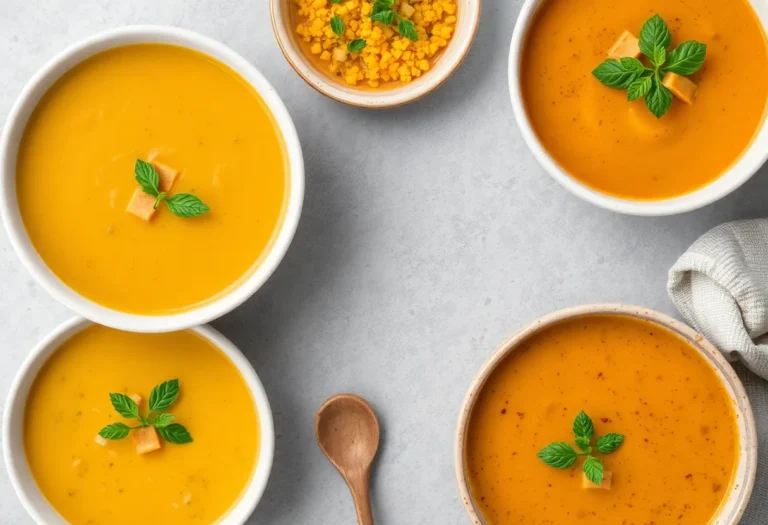
You can turn simple garden vegetables into a hearty, low-fat meal. Many vegetable soup recipes use clear broth instead of heavy cream. This swap lets you enjoy generous portions while keeping calories low.
Begin with onions, carrots, and celery for a classic flavor base. Add diced tomatoes, earthy mushrooms, or seasonal squash for more depth. Stir in fresh leafy greens, such as kale or spinach, right before serving.
Add legumes or grains to make meals more filling. Beans, lentils, and barley turn light broths into high fiber vegetarian recipes. One cup of cooked lentils provides roughly 8 grams of fiber, helping you stay satisfied for hours.
Layering flavors makes these dishes taste gourmet. Sauté garlic and onions in a splash of broth to avoid extra fat. You can also roast vegetables first, caramelizing their natural sugars for a rich, smoky flavor.
Finish your bowl with a touch of brightness. Add fresh herbs, lemon juice, or a small dollop of Greek yogurt. These high fiber vegetarian recipes show that healthy eating can still offer taste and comfort.
Colorful Salads and Grain Bowls for Filling Lunches
Build a colorful salad or healthy grain bowl for a filling midday meal that keeps you energized. These meals suit busy days because they balance nutrients without feeling heavy. Prep ingredients ahead of time, then assemble a fresh lunch in minutes.
Begin with leafy greens or roasted vegetables as your bowl’s generous base. Add a measured serving of whole grains for complex carbohydrates that support steady energy. Brown rice, quinoa, farro, and bulgur are excellent choices that hold up well in the fridge.
Use a simple plan to build the perfect lunch each time. Fill half your bowl with fresh vegetables, one-quarter with your favorite whole grains, and the final quarter with high-quality protein.
Top it with a bright, light dressing to bring the flavors together. Add crunchy vegetables, fresh herbs, or a sprinkle of toasted seeds for texture. These healthy grain bowls invite customization, so add pickled ingredients or a touch of fruit for a unique twist.
Quick Skillet and Sheet-Pan Vegetarian Dinners
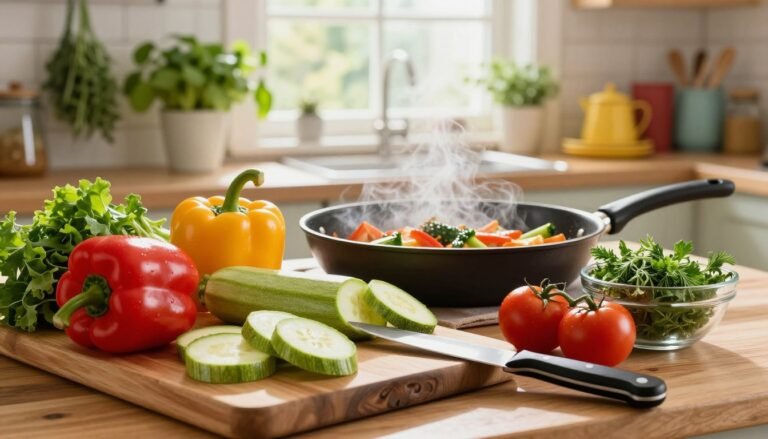
For easy vegetarian dinners, use your trusty skillet or sheet pan. These methods make flavorful, healthy meals without hours of cleanup or a mountain of dishes. One-pan cooking keeps your kitchen routine simple and stress-free.
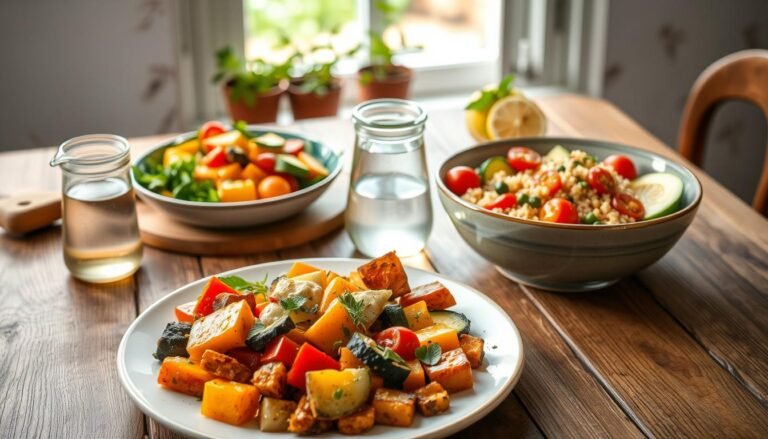
Sheet-pan roasting brings out the natural sweetness in your favorite vegetables. Roasting broccoli, bell peppers, or sweet potatoes creates caramelized edges with bold flavor.
Cut ingredients into similar sizes so everything cooks at the same pace. This prevents small pieces from burning while larger chunks remain raw.
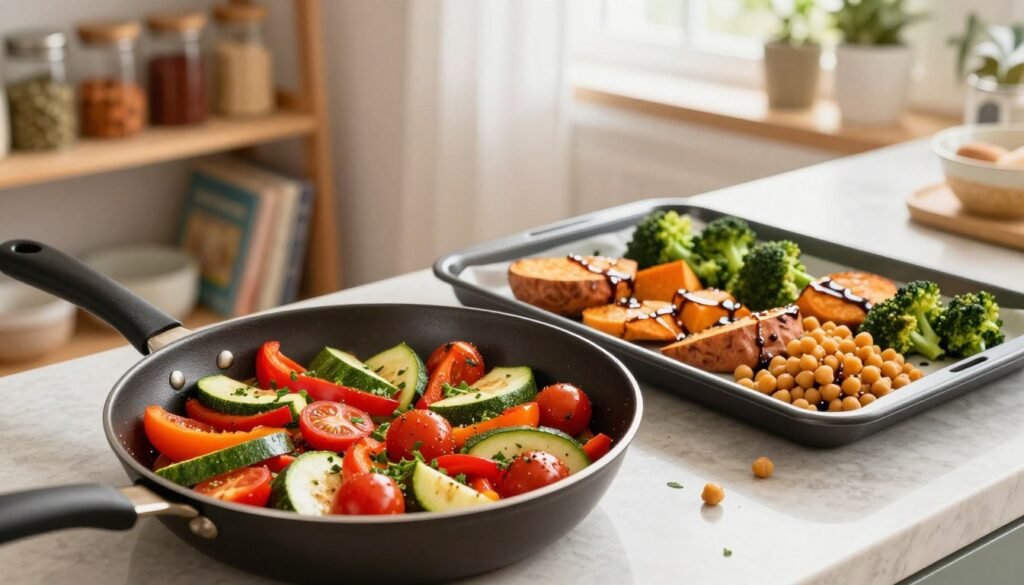
Combine hearty proteins like tofu, chickpeas, or tempeh with vegetables on one tray. Parchment paper makes cleanup nearly effortless and prevents sticking. For skillet cooking, choose a high-quality nonstick pan to keep fat content low.
To keep meals light, replace heavy oils with a quick spritz of light oil spray. If vegetables dry out, add vegetable broth to the pan and create steam.
These small changes help you prepare easy vegetarian dinners that are nutritious and satisfying. With these techniques, enjoy a delicious plant-based meal any night of the week.
Healthy Pasta and Whole-Grain Vegetarian Dishes
Pasta night gets a healthy upgrade when you swap refined grains for nutrient-dense alternatives. Choose whole-wheat, lentil, or chickpea pasta to add significant fiber to your diet. These whole grains keep you full longer and provide a hearty base for favorite vegetarian pasta recipes.
Experiment with ancient grains, such as farro or brown rice, to change your meals’ texture. These options pair well with roasted vegetables and legumes, creating a balanced plate that satisfies hunger. Together, they provide complex carbohydrates and essential nutrients.
You do not need heavy cream for a rich, velvety sauce. Blend white beans or steamed cauliflower for a smooth base that mimics traditional cream sauces. Silken tofu or a dollop of low-fat yogurt adds body without extra fat.
Save a splash of starchy pasta water to emulsify your sauce. This simple trick binds the ingredients together. Nutritional yeast adds savory, cheesy depth; lemon juice, roasted garlic, and chopped herbs brighten flavors in a light, delicious meal.
Bean, Lentil, and Chickpea Main Dishes
Legumes are a secret weapon for creating satisfying, plant-based meals. These versatile foods provide excellent plant based protein, which helps you stay full and energized. They work well for quick weeknight dinners or weekly meal prep, making them pantry essentials.
How Legumes Provide Protein, Fiber, and Staying Power
Legumes offer important nutritional benefits when you add them to your diet. One cup of cooked lentils provides about 18 grams of protein and 15 grams of fiber. This mix makes them ideal for high fiber vegetarian recipes that help control hunger.
Canned legumes offer a convenient choice. Rinse beans well under cold water to reduce extra sodium. For savings, batch-cook dried legumes on weekends for bean recipes throughout the week.
Try different lentil recipes, such as hearty curries or thick stews packed with vegetables. These dishes pair well with fresh herbs and acidic foods, including lemon juice or crushed tomatoes. Acidity brightens earthy flavors and balances your meal.
Include chickpea recipes in your rotation for more variety. Roast chickpeas for grain bowls, stuff them into bell peppers, or simmer them in tomato-based skillet dishes. Pairing legumes with whole grains and colorful vegetables creates a healthy, filling meal.
Low-Fat Vegetarian Burgers, Wraps, and Sandwiches
Making low fat vegetarian burgers at home can improve your weekly meal plan. Build satisfying patties with hearty beans, lentils, mushrooms, or grated vegetables. These ingredients add great texture without heavy fats.
Use rolled oats, breadcrumbs, or ground flaxseed to help hold patties together. Mashed beans also act as a natural binder, so you can skip extra cheese or oil. These swaps keep your meal light and filling.
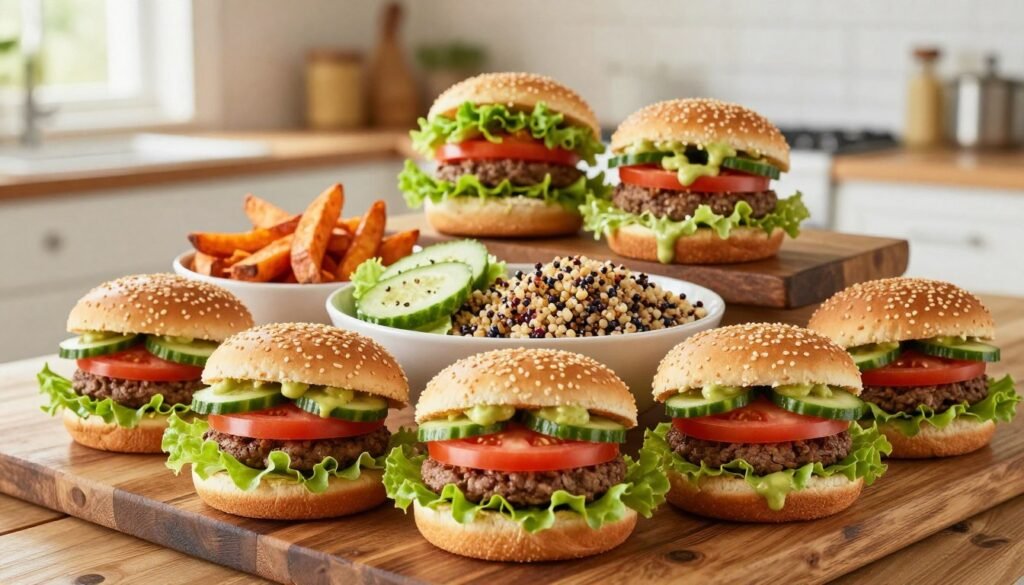
When cooking low fat vegetarian burgers, skip the deep fryer. Bake them in the oven or use an air-fryer for a crisp finish. A well-preheated nonstick skillet also works well for a classic stovetop sear.
For wraps and sandwiches, build layers of flavor and crunch. Fill whole-grain bread or tortillas with fresh leafy greens, sliced cucumbers, and shredded carrots. These vegetables add a satisfying snap and make each bite feel fresh.
Finish handheld meals with moist toppings instead of mayonnaise. Try tangy mustard, zesty salsa, or creamy hummus for a strong flavor boost. A dollop of yogurt-based sauce keeps sandwiches juicy and delicious.
Simple Vegetable Sides, Dips, and Snacks
Brighten your plate with fresh vegetable sides and dips. For healthy vegetarian snacks, choose quick foods that help you stay energized all day. Try crisp raw carrots and bell peppers with creamy bean dip, air-popped popcorn, crunchy roasted chickpeas, or fresh fruit with yogurt.
For a savory choice, top whole-grain crackers with a light spread. These healthy vegetarian snacks provide plenty of fiber and nutrients without weighing you down. Keeping them nearby can help you follow your wellness goals.
Simple vegetable sides add color and texture to main meals. Try roasted broccoli with garlic, steamed green beans, or sautéed mushrooms. Crunchy cabbage slaw or a bowl of lemony greens with a little oil can complete dinner.
Make dips with beans, yogurt, peas, or blended vegetables. These bases offer a rich, creamy texture and extra protein without heavy mayonnaise or full-fat cheese. Use fresh herbs, zesty citrus, and bold spices instead of extra fats to keep portions flavorful.
Watch calorie-dense ingredients such as nuts, seeds, and tahini. They add wonderful flavor and healthy fats, but a little goes a long way. Measure them carefully so your healthy vegetarian snacks stay light and satisfying.
Meal Prep, Ingredient Swaps, and Storage Tips
Good vegetarian meal prep depends on a few simple habits and storage tricks. Use versatile staples, such as cooked grains, washed vegetables, and roasted legumes. Prepare these foods early, then mix them into meal prep vegetarian recipes throughout the week.
Store wet ingredients, such as sauces and dressings, separately from greens and grains. This protects your meals’ texture and prevents soggy salads. This method keeps every bite crisp and delicious until you are ready to eat.
Cool cooked leftovers promptly before placing them in the refrigerator. Use airtight containers to maintain quality and safety. When stored correctly, most prepared dishes stay fresh and tasty for three to four days.
How to Adjust Portions and Add Protein to Each Meal
Adjusting portions can help manage your energy levels and hunger. Add leafy greens or roasted vegetables to increase meal volume without greatly changing calories. Measure grains and healthy fats carefully to keep portions balanced.
For more fuel, add a high-quality plant based protein to your bowl or wrap. Tofu, lentils, beans, and tempeh add substance to any dish. You can also add Greek yogurt or a hard-boiled egg to boost intake and stay satisfied longer.


Conclusion
Eating well does not require complex rules or costly ingredients. Combine fresh vegetables, hearty legumes, whole grains, bright herbs, and light sauces for satisfying meals. These vegetarian low fat recipes offer an easy path to better nutrition each day.
Small habits support long-term success in the kitchen. Roasting vegetables brings out their natural sweetness without heavy oils. Blending beans into sauces adds creamy texture, improves taste, keeps meals light, and supports wellness goals.
Keep your routine flexible by rotating breakfast ideas, grain bowls, and skillet meals. Try a new recipe from brands like Bob’s Red Mill, or experiment with seasonal produce from your local farmers market. Variety keeps your palate excited and prevents boredom.
Balanced portions and consistent preparation matter more than following one perfect recipe. Focus on cooking rather than chasing perfection.
Your commitment to these vegetarian low fat recipes can lead to lasting health benefits. Start your next meal with confidence, and enjoy the process of nourishing your body.