Vegan Fitness Meals High Protein
Just went vegan and worried about hitting your protein goals? You’re not alone. Many people think a plant-based diet means sacrificing muscle gains, but that couldn’t be further from the truth. We’ll show you how to fuel your fitness journey with delicious, high-protein vegan meals that’ll keep you strong and satisfied.
Key Takeaways:
- Crafting high-protein vegan meals for fitness doesn’t mean endless tofu. You’ve got a huge array of plant-based proteins, from lentils and chickpeas to tempeh and seitan, that can easily meet your needs for muscle growth and repair. It’s really about smart combinations and knowing your ingredients.
- Meal timing and nutrient density play a huge role in optimizing your vegan fitness diet. Focusing on whole, unprocessed foods ensures you’re getting not just protein, but also the complex carbohydrates for energy and healthy fats for hormone production – all crucial for performance and recovery.
- Don’t overlook the power of variety and strategic supplementation. While a well-planned whole-food vegan diet can provide most nutrients, a B12 supplement is non-negotiable, and you might find a vegan protein powder helpful for hitting higher protein targets conveniently, especially around workouts.
My go-to protein sources that don’t taste like cardboard
You’re probably thinking, “Okay, but what about the actual food? Does it all taste like dry health pellets?” Absolutely not! You can build some seriously delicious, protein-packed meals using a few key ingredients that are far from boring. These are the staples I always keep in my kitchen, ready to transform into something great.
It’s all about knowing how to prepare them, really. A little seasoning, the right cooking method, and suddenly these humble ingredients become the stars of your plate. You’ll be surprised at how versatile and flavorful plant-based proteins can be when you give them a chance.
Tofu and tempeh are seriously underrated
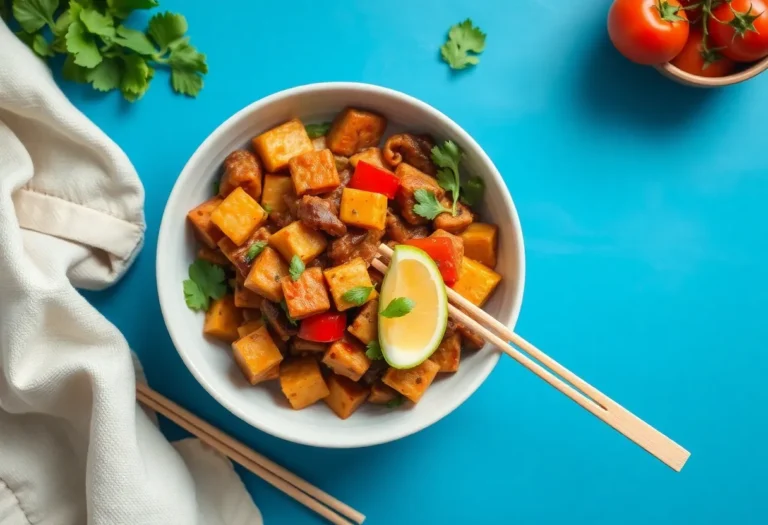
Many people shy away from tofu, picturing bland, watery blocks. But you’re missing out on a fantastic protein canvas! Pressing the water out of extra-firm tofu makes a huge difference, allowing it to soak up marinades and get wonderfully crispy when baked or pan-fried. Try it crumbled in a “scramble” or cut into cubes for stir-fries.
Tempeh, on the other hand, has a firmer, nuttier texture and a slightly fermented flavor that some find more appealing right off the bat. It’s a whole fermented soybean cake, meaning it’s packed with gut-friendly probiotics too. Slice it thin for “bacon” or crumble it for chili – it holds its shape beautifully.
Why seitan is honestly the MVP of vegan fitness
This stuff is pure magic for anyone serious about plant-based gains. Seitan, made from wheat gluten, boasts an incredibly high protein content per serving, often rivaling or even surpassing animal meats. It’s also super low in fat and carbs, making it an excellent choice for lean muscle building.
Its dense, chewy texture mimics meat so well that it’s often used in vegan deli slices, roasts, and even “chicken” nuggets. You can buy it pre-made, or if you’re feeling adventurous, make your own from vital wheat gluten flour, which is surprisingly easy and cost-effective.
You’ll find that seitan absorbs flavors like a dream, making it perfect for marinades, curries, or even just a simple pan-sear with your favorite spices. It’s incredibly satisfying and helps you feel full without weighing you down.
What’s the move for pre-workout energy?
Fueling your body before a workout is all about smart energy. You’re looking for something that hits quickly, but also sustains you through those last few reps. Think complex carbs with a little bit of easily digestible protein to get things moving.
And don’t forget hydration; sometimes that sluggish feeling is just your body asking for water. A good rule of thumb is to finish your main pre-workout meal about 1-2 hours before you hit the gym.
Light snacks that won’t make you feel sluggish
Sometimes you just need a little something to tide you over, not a full meal. You want quick energy that won’t sit heavy in your stomach or cause that dreaded mid-workout cramp. Think small, digestible, and effective.
A banana is practically the perfect pre-workout fruit – it’s packed with potassium and natural sugars for a quick lift. Or maybe a few dates, which are incredibly energy-dense and easy to digest.
My favorite quick-fire smoothie recipes
Smoothies are a game-changer for pre-workout fuel because you can pack so much goodness into one easy-to-drink package. They’re quickly absorbed, giving you that almost instant energy boost without feeling overly full. Plus, you can customize them endlessly to fit your taste and specific needs.
You can throw in a scoop of vegan protein powder, some spinach (you won’t even taste it, promise!), and a handful of berries for antioxidants and natural sugars. Add a splash of almond milk, maybe a tablespoon of chia seeds for some sustained energy, and you’re good to go. It’s a powerhouse in a glass.
Recovery meals that’ll help those muscles grow
Big-batch bowls that are super easy to whip up
You’ve just crushed a workout, and now your muscles are screaming for some love – and protein! This is where big-batch bowls become your best friend. Think about a hearty quinoa base, loaded with roasted sweet potatoes, black beans, and a generous helping of broccoli.
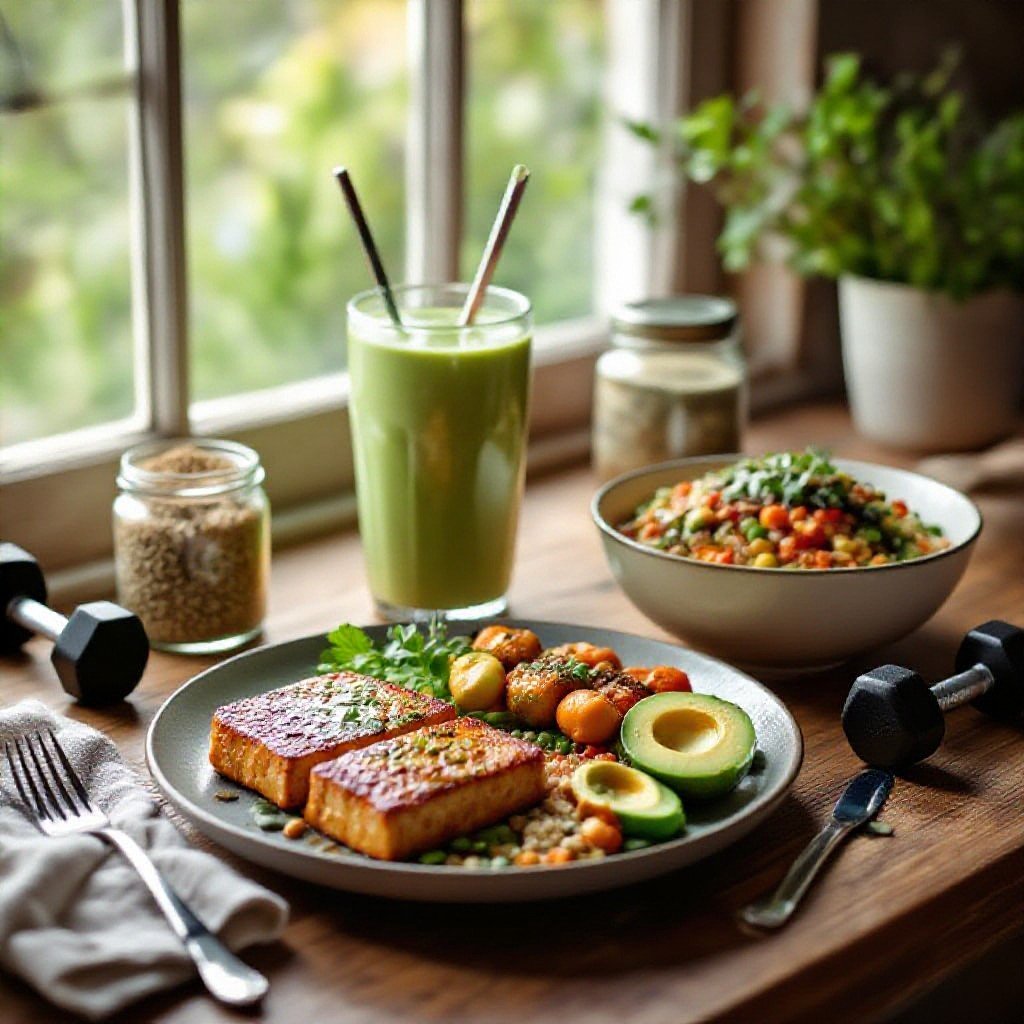
Throw in some seasoned tempeh or baked tofu, and you’ve got a meal that’s not only packed with protein and complex carbs but also incredibly satisfying. You can whip up a huge batch on Sunday and have delicious, muscle-repairing meals ready for days.
Why beans and lentils are a total lifesaver
Beans and lentils are seriously underrated heroes in the vegan fitness world. They’re not just cheap and accessible; they’re absolute powerhouses of plant-based protein and fiber, which is exactly what your body needs after a tough session.
A single cup of cooked lentils, for example, can pack around 18 grams of protein. That’s a serious contribution to your daily intake, helping those torn muscle fibers rebuild stronger than before. Plus, the fiber keeps you feeling full and aids in digestion.
Consider a simple black bean and corn salsa over some brown rice, or a lentil shepherd’s pie. These aren’t just tasty; they’re incredibly effective for recovery, giving your body the fuel it needs without breaking the bank or requiring hours in the kitchen.
Meal prepping so you don’t lose your mind
You’re probably thinking, “Meal prepping? That sounds like another full-time job.” But trust me, it’s the secret weapon for staying consistent with your vegan fitness goals. Imagine coming home after a grueling workout and having a delicious, high-protein meal ready to go – no cooking, no fuss, just pure satisfaction.
This approach saves you a ton of time during the week and helps you avoid those last-minute, less-than-ideal food choices. You’re setting yourself up for success, ensuring you hit your macros without the daily mental gymnastics of what to cook next.
How I keep things simple in the kitchen
My kitchen routine is all about efficiency, because who has hours to spend chopping and stirring every day? I focus on batch cooking staples like quinoa, lentils, and roasted veggies that can be mixed and matched throughout the week. This means less time actively cooking and more time enjoying your life.
Another trick is using versatile ingredients. For example, a big batch of seasoned black beans can become burrito bowls one day and a hearty salad topping the next. It’s about maximizing effort and minimizing waste, both of food and your precious time.
Smart ways to keep your food from getting boring
Varying your spices is a game-changer when you’re eating similar base ingredients. One week, you might lean into a smoky paprika and cumin blend for your lentils, and the next, switch to an Italian herb mix with a touch of nutritional yeast for a cheesy flavor. These small tweaks make a huge difference.
Don’t underestimate the power of sauces and dressings either. A simple tahini dressing can transform a plain bowl of roasted vegetables, while a spicy peanut sauce can bring new life to a tofu stir-fry.
Think about texture too – adding crunchy seeds, crisp fresh vegetables, or a sprinkle of toasted nuts can break up monotony.
Common blunders I’ve seen way too often
Don’t ignore your calorie intake, seriously
You’d be surprised how many folks focus solely on protein grams and forget the bigger picture. Building muscle, especially on a plant-based diet, demands enough overall energy. If you’re not eating enough calories, your body will actually start using that precious protein for fuel instead of muscle repair and growth.
That means all your hard work in the gym, and careful protein planning, could be undermined. Think of it this way: protein is the brick, but calories are the mortar. You need both in ample supply to build a strong structure, or in this case, a strong physique.
Why you shouldn’t go overboard on the fiber too fast
Many people jump headfirst into a high-fiber vegan diet, which is great in theory, but your digestive system needs time to adjust. Suddenly introducing massive amounts of beans, lentils, and whole grains can lead to some serious – and uncomfortable – gastrointestinal distress.
You might experience bloating, gas, and general discomfort, which isn’t exactly conducive to crushing your workouts or feeling good in your own skin. It’s a common rookie mistake that can make the whole plant-based journey feel unnecessarily difficult.
Instead, gradually increase your fiber intake over several weeks. Start by adding a small serving of a new fiber-rich food each day, like a quarter cup of lentils to your salad, and see how your body responds. This gentle approach allows your gut microbiome to adapt, making the transition much smoother and far more enjoyable.


Conclusion
You’ve really got the tools now to build a high-protein vegan fitness meal plan that works for you. Don’t be afraid to experiment with different ingredients and recipes; that’s how you’ll discover what you truly enjoy and what fuels your body best. Your plate can be both delicious and incredibly effective for your fitness goals.
You’ll find that with a little planning, maintaining a high-protein vegan diet for fitness isn’t just doable – it’s incredibly rewarding. You’re giving your body clean fuel, supporting muscle growth, and likely feeling pretty great from all those nutrient-dense whole foods. Keep pushing those limits!