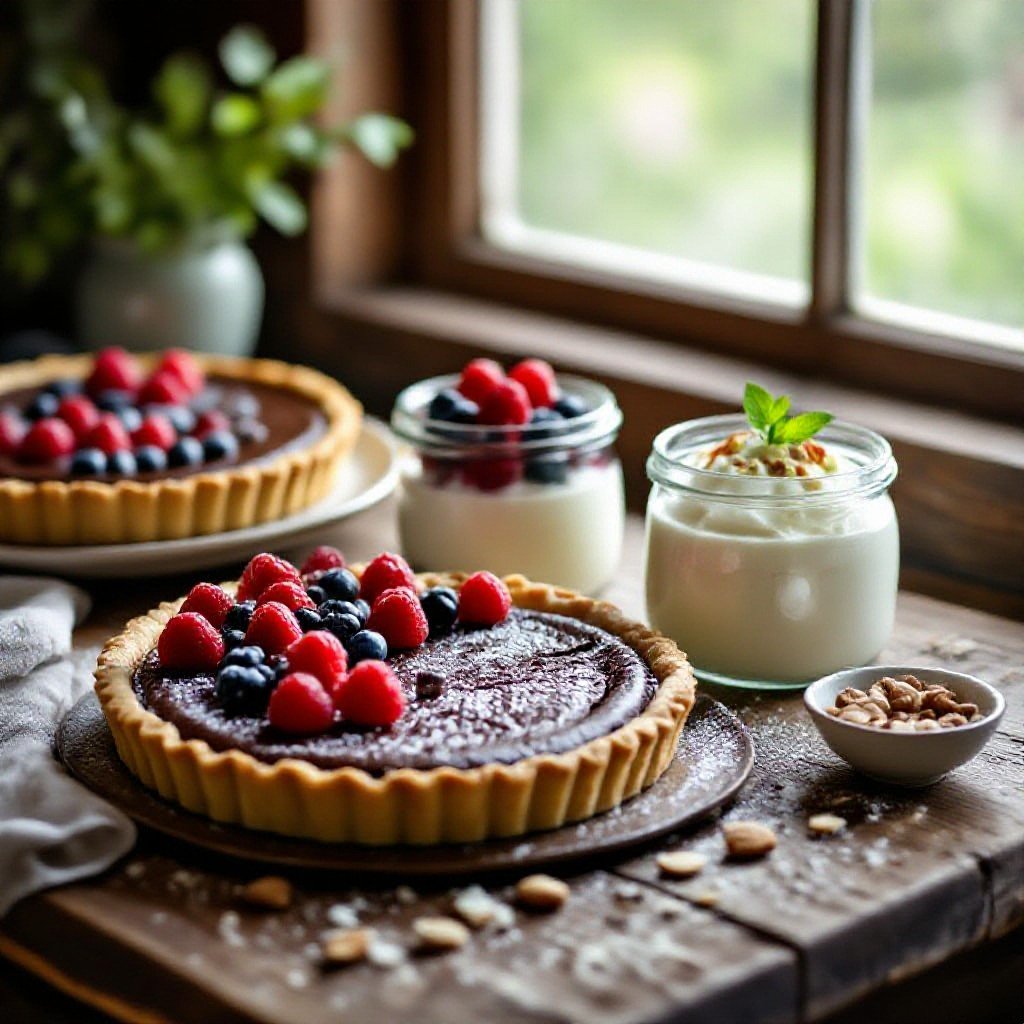
Healthy Low Carb Desserts
Just because you’re watching your carb intake doesn’t mean you have to wave goodbye to dessert. Seriously, who wants to live in a world without a little sweetness? You can absolutely indulge your sweet tooth without derailing your health goals, and it’s probably easier than you think. You’re about to discover how to whip up treats that are both delicious and genuinely good for you.
Sweeteners that actually taste good – I’m not kidding
You’ve probably tried some low-carb sweeteners that left a weird aftertaste, right? It’s a common complaint, and frankly, it’s why many people give up on healthier desserts. But the good news is, the world of sugar alternatives has come a long way.
There are now options that genuinely mimic sugar’s taste and texture without all the metabolic downsides. We’re talking about sweeteners that let you enjoy a truly satisfying treat, not just a “good for low-carb” version.
Why I think monk fruit is the clear winner here
Monk fruit extract is derived from a small, green melon native to Southeast Asia, and it’s incredibly potent. You only need a tiny amount to achieve significant sweetness, which means less bulk in your recipes.
Its biggest advantage, in my book, is the clean finish it leaves. There’s no strange cooling sensation or bitter notes that you sometimes get with other zero-calorie sweeteners. It just tastes sweet, pure and simple.
Allulose: Is it actually too good to be true?
Allulose is a “rare sugar” that’s found naturally in small amounts in things like wheat, figs, and raisins. It has about 70% of the sweetness of table sugar but with only a fraction of the calories, making it a fantastic option.
What makes it stand out is its uncanny ability to caramelize and brown just like regular sugar. This opens up a whole new world for low-carb baking, letting you achieve those lovely golden crusts and rich, complex flavors.
It also has a very similar mouthfeel to sugar, providing that satisfying bulk and texture in baked goods. Plus, studies suggest it doesn’t raise blood sugar or insulin levels, which is precisely what we’re looking for in a healthy sweetener.
The flours I’m obsessed with right now
You’ll quickly discover that not all low-carb flours are created equal. Some are fantastic for cakes, giving you that tender crumb you crave, while others are better suited for thicker, chewier textures. Getting to know their individual personalities is key to successful baking.
It’s a bit like assembling a dream team for your dessert – each player has a specific role, and you wouldn’t send a quarterback to block a punt, right?
Almond flour is the real MVP for that buttery crumb
Almond flour, in my opinion, is the superstar of low-carb baking. It’s finely ground from blanched almonds, which means you get a light texture that mimics traditional wheat flour surprisingly well. It also brings a lovely richness and a slightly nutty flavor to your desserts.
This flour absorbs liquids beautifully, contributing to a moist, tender crumb that’s just perfect for cakes, muffins, and even pie crusts. You’ll find it’s incredibly versatile for almost any sweet treat.
Why coconut flour can be a total diva in the kitchen
Coconut flour, on the other hand, is a different beast entirely. It’s incredibly absorbent, much like a sponge, so you’ll need far less of it compared to almond flour or regular wheat flour. If you use too much, your bake will turn out dry and dense – and nobody wants a brick for a brownie.
It also has a distinct coconut flavor, which can be a pro or a con depending on what you’re making. You’ll often need to significantly increase the liquid content in your recipes, and sometimes add extra eggs, to balance its drying power. This flour really demands a bit more attention and recipe adjustment.
No-bake hacks for when you’re just over it
Sometimes you just don’t have the energy to turn on the oven, and that’s totally fine. You’re busy, you’ve got a million things going on, and the last thing you want is a complicated recipe. That’s where these no-bake options come in handy, offering a quick fix without sacrificing that sweet craving.
They’re also perfect for those warmer months when heating up the kitchen sounds like a nightmare. Think about it: minimal cleanup, no preheating, and usually just a few simple ingredients. It’s a win-win situation when you need something satisfying and fast.
My favorite fat bombs for a quick sugar fix
These little powerhouses are your secret weapon against afternoon slumps and sudden cravings. You can whip up a batch in minutes, and they store beautifully in the fridge or freezer, ready whenever you need a quick, satisfying bite that keeps you on track.
Imagine rich chocolate and nut butter goodness, often with a hint of coconut oil for that extra healthy fat boost. They’re designed to be incredibly filling, so you’re satisfied with just one or two, making them a fantastic portion-controlled treat.
Why I’m seriously into these overnight chia treats
Overnight chia puddings are a game-changer for meal prep, especially if you’re looking for something that feels indulgent but requires almost no effort. You literally mix everything the night before, pop it in the fridge, and wake up to a delicious, ready-to-eat dessert or even a breakfast.
The texture is surprisingly creamy and satisfying, especially when you play around with different liquids like almond milk or coconut milk. And because chia seeds are packed with fiber, they’re incredibly good for your gut health, keeping you feeling full and happy.
You can customize them endlessly too, adding in a scoop of your favorite low-carb protein powder, a handful of berries, or a sprinkle of chopped nuts. It’s like having a blank canvas for your dessert creativity, all while keeping things super healthy and low-carb.
How to not ruin your low-carb bake
You’ve gathered your ingredients, you’ve swapped out the sugar and the regular flour, and you’re feeling pretty good about your low-carb dessert adventure. But here’s where many people stumble, turning a promising batter into a less-than-stellar final product. It’s not just about the ingredients; it’s also about how you handle them.
Baking low-carb treats requires a slightly different approach than traditional baking. You’re working with flours that behave differently and sweeteners that can alter texture. A little knowledge about these nuances will save you a lot of heartache and wasted ingredients.
Don’t overbake it – it’s a disaster waiting to happen
Overbaking is probably the biggest culprit when it comes to dry, crumbly low-carb desserts. Since these flours absorb moisture differently and lack gluten, they can go from perfectly done to sawdust in a matter of minutes. Keep a close eye on your oven.
You’ll notice that many low-carb baked goods don’t get that deep golden-brown crust you might expect from traditional recipes. Trust your instincts and the toothpick test instead of relying solely on color.
Here’s the trick to getting that perfect texture every time
The secret often lies in slightly underbaking. Yes, I said it! Pull your cakes, muffins, or brownies from the oven when they still look a tiny bit moist in the center, or when a toothpick comes out with a few moist crumbs attached, not completely clean.
Residual heat will continue to cook your dessert as it cools on the counter. This carryover cooking is your friend, ensuring a tender, moist crumb without drying it out.
This technique is particularly effective with things like almond flour cakes or coconut flour brownies. You’re aiming for that delicate balance where it’s set enough to hold its shape but still retains plenty of moisture for a delightful mouthfeel.


To wrap up
You’ve got a whole new toolkit now for creating desserts that satisfy your sweet tooth without derailing your health goals. Don’t be afraid to experiment with different sweeteners, flours, and flavor combinations. You’ll find what works best for your palate, and honestly, that’s half the fun.
It really is possible to enjoy delicious treats and maintain a low-carb lifestyle. You’re not sacrificing flavor; you’re just making smarter, more informed choices about your ingredients. Go ahead, whip up something amazing – you deserve it!