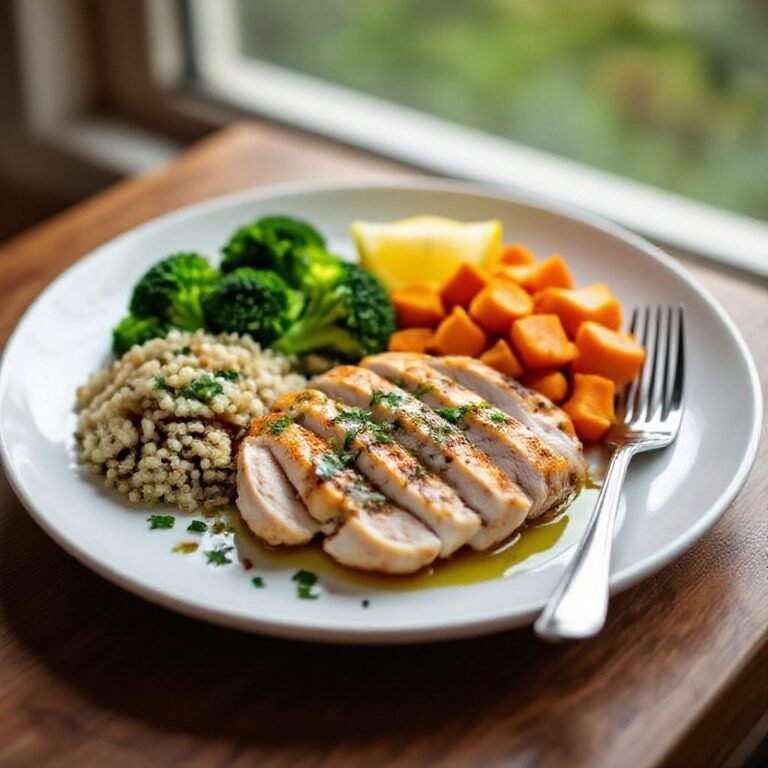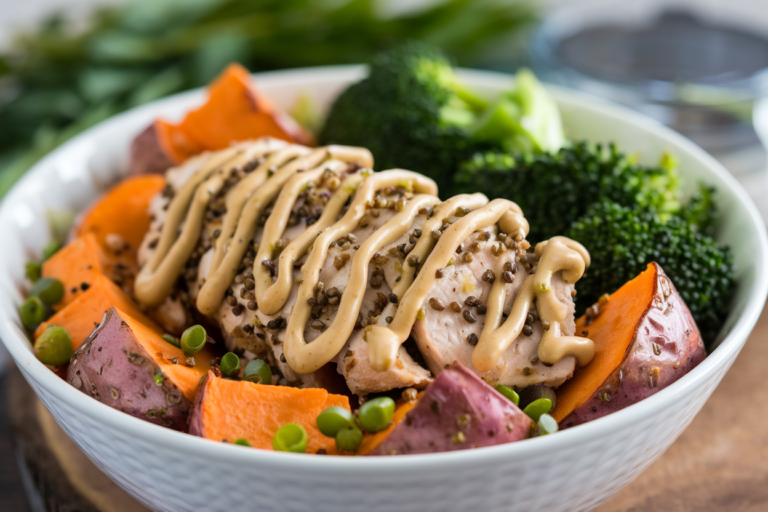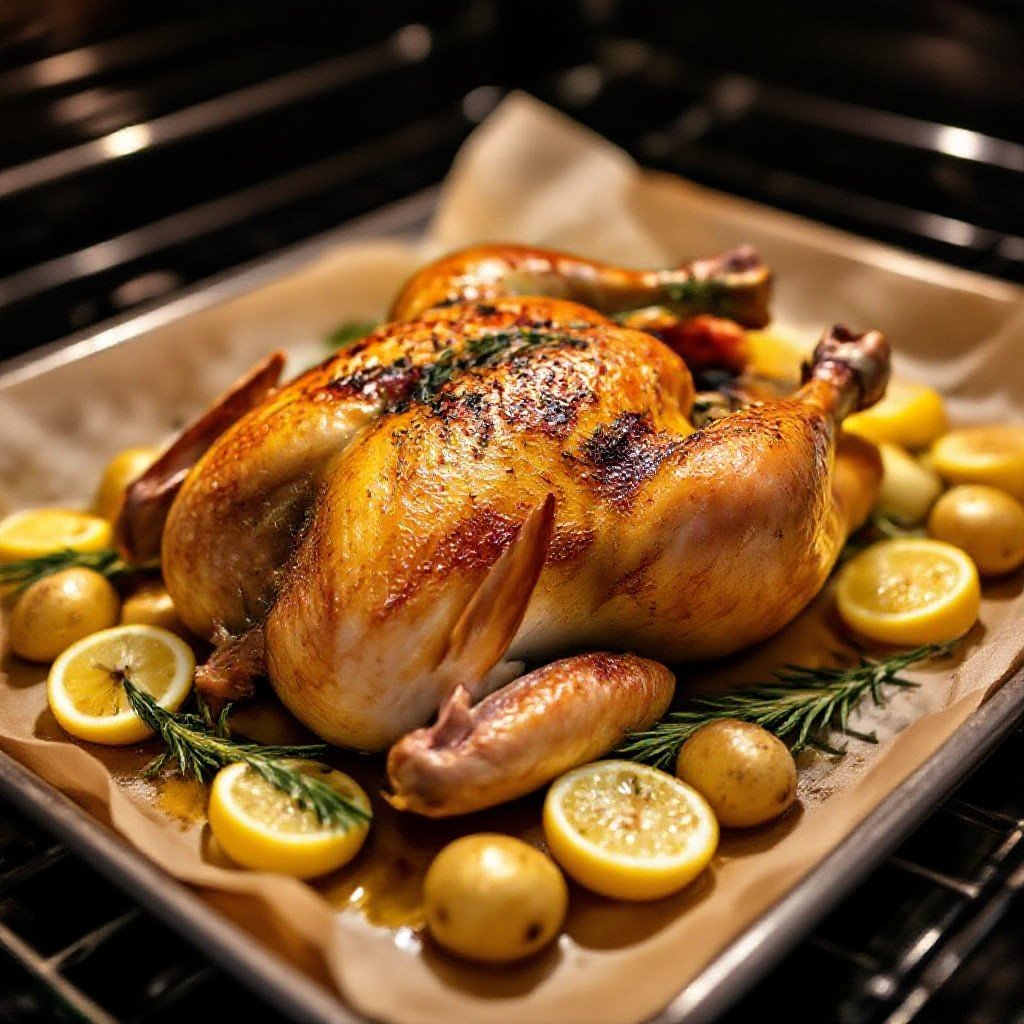
Healthy Chicken Oven Recipes
Most of us want to eat well, but who has hours to spend in the kitchen every night? You’re probably looking for meals that are both nutritious and don’t require endless cleanup. Good news: your oven is about to become your favorite kitchen tool for creating delicious, healthy chicken dishes with minimal fuss.
Key Takeaways:
- Oven-baked chicken doesn’t have to be bland or dry. The secret often lies in marinades and brining, which infuse flavor and moisture deep into the meat. Think about a simple yogurt marinade with lemon and herbs – it tenderizes beautifully.
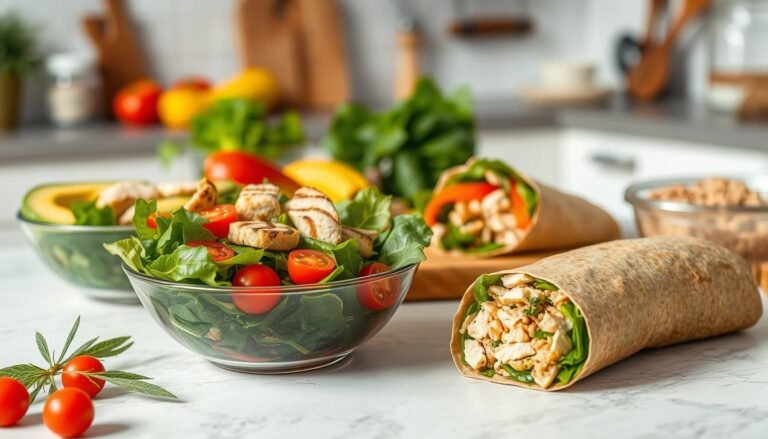
- Healthy chicken oven recipes are incredibly versatile and perfect for meal prepping. You can roast a big batch of chicken breasts or thighs on Sunday, then use them in salads, sandwiches, or quick weeknight dinners throughout the week. It’s a huge time-saver.
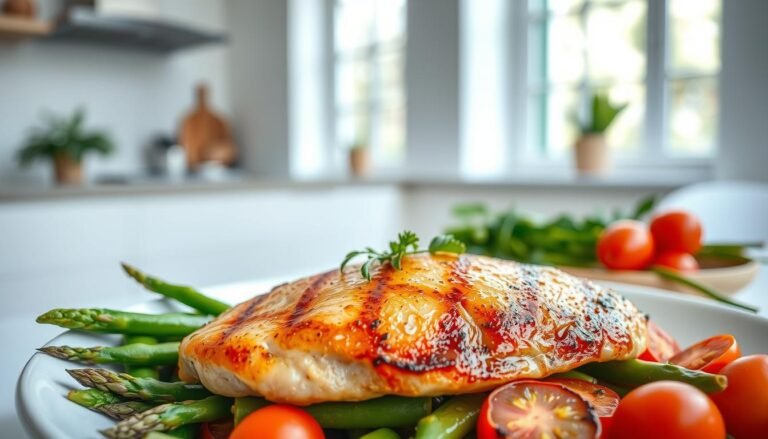
- Don’t be afraid to experiment with different spice blends and vegetables. A simple sheet pan meal with chicken and a colorful mix of bell peppers, zucchini, and cherry tomatoes provides a complete, nutritious meal with minimal cleanup. Roasting brings out the natural sweetness in vegetables, too.
Why I honestly think the oven is your absolute best friend
You’re probably thinking, “Another oven recipe? Really?” But seriously, when it comes to healthy eating and minimal fuss, your oven is an absolute game-changer. You just pop everything in, set a timer, and walk away. No splattering oil, no constant flipping, just perfectly cooked chicken every single time.
It’s also incredibly versatile. You can roast, bake, or even broil for a crispy finish. And the cleanup? Usually just one pan, which is a win in my book.
The real deal on which chicken cuts to buy
You’ve got options when you hit the grocery store. Boneless, skinless chicken breasts are a classic for a reason – they’re lean, quick-cooking, and super versatile. They absorb marinades beautifully, making them a great canvas for flavor.
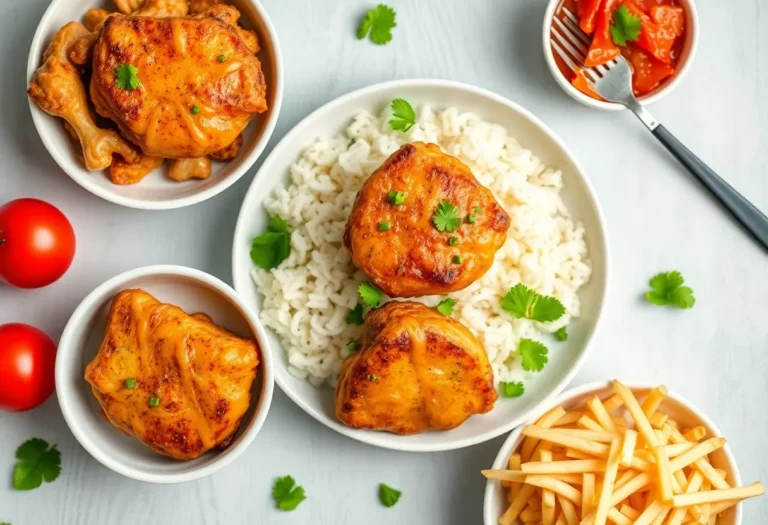
Thighs, on the other hand, offer a richer flavor and tend to stay juicier thanks to their higher fat content. They’re often a bit more forgiving if you accidentally overcook them by a minute or two.
My secret for keeping things juicy every single time
Nobody wants dry, rubbery chicken, right? The trick I swear by is a good marinade. Even 30 minutes can make a huge difference, infusing flavor and helping to break down some of those muscle fibers for a more tender result.
Another simple yet powerful technique is to avoid overcooking. A meat thermometer is your best friend here – pull your chicken out when it hits 165°F (74°C) internal temperature. It’ll continue to cook slightly as it rests, ensuring it stays moist.
Seriously, who doesn’t love a good sheet pan meal?
You’re not alone if the thought of minimal cleanup makes you sigh with relief. Sheet pan dinners are pure magic for busy weeknights, transforming a handful of ingredients into a complete, delicious meal with just one pan to wash. It’s truly a game-changer for getting healthy food on the table fast.
This method lets you toss everything together – your chicken, your favorite veggies, and a fantastic seasoning – then slide it into the oven. And the beauty of it? Everything cooks simultaneously, infusing flavors beautifully without you standing over a stove. Talk about efficiency!
My go-to lemon and garlic vibe
My absolute favorite combination for sheet pan chicken is a bright, zesty lemon and potent garlic marinade. You’ll want to whisk together fresh lemon juice, minced garlic, a good glug of olive oil, dried oregano, salt, and black pepper. It’s simple, but incredibly effective.
Toss your chicken pieces and chosen vegetables in this mixture right on the sheet pan. The lemon brightens everything up, while the garlic provides that comforting, savory depth that just makes you want more. It’s a classic for a reason, and it always delivers.
What’s the trick for perfectly roasted veggies?
The secret to beautifully roasted vegetables that are tender on the inside and slightly caramelized on the outside often comes down to two things: spacing and temperature. Don’t overcrowd your pan; give those veggies some breathing room so they can roast, not steam. You’re aiming for a single layer.
Also, a higher oven temperature, usually around 400-425°F (200-220°C), helps achieve that desirable char and crispness. If the oven isn’t hot enough, or if the pan is too full, you’ll end up with soggy vegetables, and nobody wants that.
Ensuring your vegetables are relatively uniform in size also helps them cook evenly. For example, if you’re using broccoli and bell peppers, cut them into similar-sized florets and strips. This prevents some pieces from burning while others are still undercooked, giving you a consistent texture across the board.
Actually, healthy doesn’t have to be boring at all
You know, the biggest myth about healthy eating is that it’s all bland chicken breasts and steamed broccoli. But that’s just not true, especially when you’re using your oven. It’s a game-changer for infusing flavors without all the extra fats.
Think about it: roasting vegetables alongside your chicken caramelizes their natural sugars, bringing out a sweetness and depth you just don’t get with other cooking methods. And that’s flavor you won’t feel guilty about.
Mediterranean flavors that’ll totally blow your mind
Imagine succulent chicken thighs, bright cherry tomatoes, Kalamata olives, and a generous sprinkle of oregano all roasting together on one pan. The aroma alone is enough to transport you straight to the Greek Isles. It’s incredibly simple, yet packed with vibrant, fresh tastes.
This approach often incorporates ingredients like lemon, garlic, and fresh herbs, which are naturally low in calories but high in flavor. You’re building complex profiles without needing heavy sauces or excessive oil.
Honestly, you won’t even miss the heavy oils
Swapping out heavy oils for lighter alternatives or even just relying on the chicken’s natural juices and vegetable moisture makes a huge difference. You can achieve incredible crispness and tenderness without drowning your dish in unnecessary fats.
A little olive oil, perhaps a tablespoon or two for a whole sheet pan, is often all you need to help distribute seasonings and prevent sticking. The oven’s dry heat does most of the work, creating that lovely golden-brown crust we all crave.
Consider using parchment paper or a silicone mat on your baking sheet; this often means you can reduce the amount of oil even further, sometimes to just a light spritz, while still ensuring easy cleanup and preventing your chicken from sticking. It’s all about smart cooking, not deprivation.
Can we talk about how life-saving meal prep is?
You’re busy, I’m busy, everyone’s busy. That’s why having a solid meal prep strategy isn’t just a good idea; it’s practically a superpower in the fight against unhealthy takeout and last-minute dinner stress. Imagine coming home after a long day and knowing a delicious, healthy meal is just minutes away.
This approach transforms your week. You’ll save money, reduce food waste, and consistently hit your nutritional goals without even thinking about it. It’s about setting yourself up for success, rather than relying on willpower when you’re already exhausted.
Batch cooking that doesn’t taste like sad leftovers
The secret to batch cooking chicken that still excites you on day three or four? It’s all about how you store and reheat it, plus a little culinary magic upfront. Think about separating your components – keep that sauce separate until serving!
Consider varying your herbs and spices slightly if you’re making a big batch of plain chicken. A squeeze of lemon and some fresh parsley can revive even the most tired-looking protein. Don’t underestimate a quick pan-sear to bring back some texture, either.
My take on the 20-minute miracle chicken
Sometimes you need dinner on the table yesterday, and that’s where my “20-minute miracle chicken” comes in. This isn’t just fast; it’s genuinely flavorful, relying on high heat and a few pantry staples to get the job done quickly.
You’ll start with thinly sliced chicken breasts or thighs – that’s key for the speed factor. A hot oven, around 400-425°F (200-220°C), ensures a quick cook and lovely caramelization on the outside.
The trick is a simple marinade or rub that penetrates fast, like a mix of olive oil, smoked paprika, garlic powder, and a touch of cayenne. Pop it in for about 15-18 minutes, depending on thickness, and you’ve got perfectly cooked chicken that’s ready to be paired with a quick salad or some pre-steamed veggies.
Here’s the truth about store-bought seasonings
You know those little packets or jars of seasoning blends you grab at the grocery store? They’re convenient, sure, but often they’re packed with more than just herbs and spices. Many contain anti-caking agents, excessive sodium, and sometimes even artificial flavors you just don’t need in your healthy chicken dish. It’s a quick fix, but at what cost to flavor and your health?
Think about it: when you’re aiming for a truly fresh, wholesome meal, why compromise on the very ingredients that give it character? You’re putting in the effort to choose good chicken and fresh veggies; don’t let a pre-made blend undo some of that goodness. You deserve better, and your taste buds do too.
Why I’m obsessed with making my own dry rubs
Making your own dry rubs is a game-changer, truly. You get complete control over the ingredients, meaning no weird additives or hidden sugars. Plus, you can customize the flavor profile exactly to your liking – want more smoky paprika? Go for it! A bit more cayenne for a kick? Absolutely.
It’s also surprisingly cost-effective in the long run. Buying individual spices might seem like a bigger upfront investment, but they last ages and you’ll always have exactly what you need on hand for any recipe. You’ll never run out mid-recipe again.
Don’t let your dinner be bland ever again
Bland chicken is a tragedy, plain and simple. It’s often the reason people think healthy eating is boring, but it absolutely doesn’t have to be. A well-seasoned piece of chicken, bursting with flavor, is incredibly satisfying and makes healthy eating a joy, not a chore.
Your homemade rub is the secret weapon against culinary boredom. It adheres beautifully to the chicken, creating a flavorful crust as it bakes in the oven. This isn’t just about adding salt; it’s about building layers of aromatic goodness that transform a simple chicken breast into something truly special.
Just imagine the aroma filling your kitchen as your chicken bakes, releasing those vibrant spice notes. That’s the difference a good rub makes – it elevates your meal from merely edible to truly delicious, making you look forward to every single bite.
Is your chicken always dry? Let’s fix that right now
You’ve probably been there: eagerly pulling a beautiful, golden-brown chicken from the oven, only to slice into it and find a dry, stringy mess. It’s disappointing, right? But it’s also incredibly common, and usually, it comes down to just a couple of simple mistakes we can easily correct.
Most of the time, the culprit isn’t the chicken itself, but how we’re cooking it. Overcooking is the number one reason for dry chicken, stripping away all those lovely natural juices. But don’t worry, you’re about to learn the tricks that’ll keep your chicken moist and tender every single time.
The meat thermometer trick I swear by
The simplest way to avoid overcooked chicken is to stop guessing. Seriously, a good meat thermometer is your best friend in the kitchen, especially for poultry. You’re aiming for a precise internal temperature, not just “done enough.”
Insert the thermometer into the thickest part of the thigh, making sure not to hit any bone. For chicken, you want to see 165°F (74°C). Pull it out of the oven right when it hits that mark, and you’ll be amazed at the difference.
Why resting your bird actually makes a difference
Once your chicken is out of the oven, don’t just immediately slice into it. I know it’s tempting, especially when you’re hungry and the aroma is filling your kitchen! But giving it a rest is a non-negotiable step for juicy results.
This resting period allows the muscle fibers, which have tightened up during cooking, to relax. As they relax, they reabsorb the juices that would otherwise gush out onto your cutting board the moment you slice it. You’re vitally letting the chicken redistribute its moisture, making every bite more succulent.
Just ten to fifteen minutes under a loose tent of foil is usually all you need. You’ll notice a significant improvement in both texture and juiciness when you finally do carve it.

Final words
You’ve got a fantastic foundation now for creating healthy, delicious chicken in your oven. It’s all about understanding a few simple principles – temperature control, proper seasoning, and not overthinking it – to get that perfect, juicy result every time. You’ll find that with a little practice, these recipes become second nature.
And don’t be afraid to experiment! Try different vegetable combinations or swap out herbs and spices to find what you truly love. You’re building a repertoire of meals that are both good for you and incredibly satisfying, making healthy eating a joy rather than a chore.