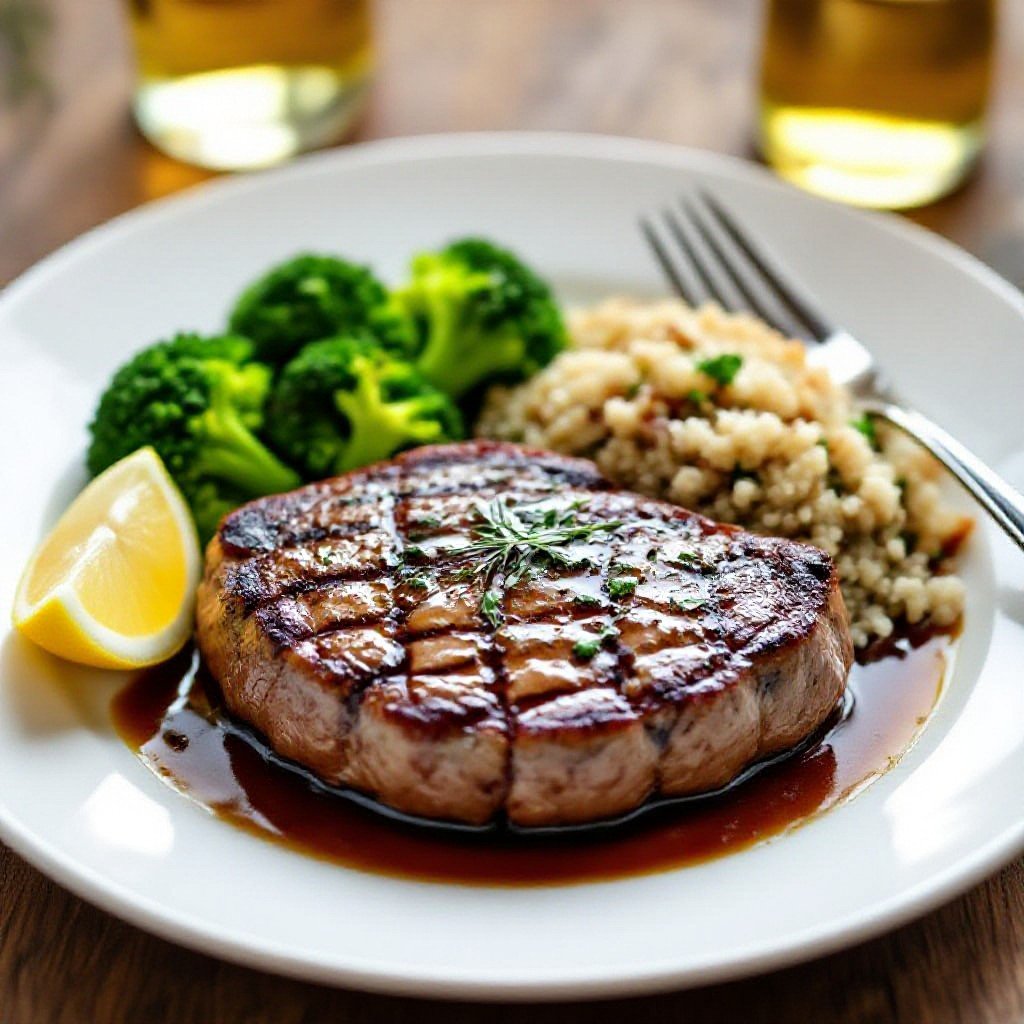
Beef Low Fat Recipes
You don’t have to give up your favorite beef dishes just because you’re watching your fat intake. It’s totally possible to enjoy rich, satisfying beef meals that are also lean and healthy. We’re going to explore some smart swaps and cooking techniques that’ll keep flavor front and center.
Key Takeaways:
- Lean cuts are your best friend for reducing fat content without sacrificing that rich beefy flavor. Think sirloin, flank steak, or even tenderloin – these cuts naturally have less marbling, which translates to fewer calories and less saturated fat on your plate. You’re not just trimming visible fat; you’re choosing a cut that’s inherently leaner from the get-go.
- Cooking methods play a huge role in keeping things light and flavorful. Grilling, broiling, or stir-frying are fantastic options because they allow fat to drain away and cook quickly, sealing in juices without needing extra oils. You want to avoid deep-frying or pan-frying with lots of added butter or oil if you’re aiming for a low-fat meal.
- Flavor doesn’t have to come from fat; it can come from herbs, spices, and smart marinades. Citrus juices, vinegars, and a good blend of aromatics like garlic and onion can infuse incredible taste into your beef. And you’ll notice that a well-seasoned piece of lean beef often tastes more vibrant and satisfying than a fatty cut swimming in grease.
The real deal about picking the right beef
You’re probably standing in the grocery store aisle, staring at a sea of red meat, wondering which one won’t sabotage your healthy eating goals. It’s not just about avoiding visible fat; understanding the nuances of different cuts is key to truly lean cooking.
Making smart choices here can drastically cut down on saturated fat without sacrificing flavor. Think about how a sirloin differs from a chuck roast in terms of both fat content and how you’d cook it.
What’s the difference between lean and extra lean anyway?
The USDA has some pretty specific guidelines here, which is helpful. “Lean” beef means it has less than 10 grams of total fat, 4.5 grams or less of saturated fat, and under 95 milligrams of cholesterol per serving.
But then there’s “extra lean,” which kicks things up a notch. This designation means the beef has less than 5 grams of total fat, under 2 grams of saturated fat, and still less than 95 milligrams of cholesterol. So, if you’re really watching your intake, extra lean is your best bet.
My take on the best budget-friendly cuts that aren’t tough
Nobody wants to chew through a shoe, especially when you’re trying to eat healthily. You can absolutely find delicious, tender, and lean cuts without breaking the bank.
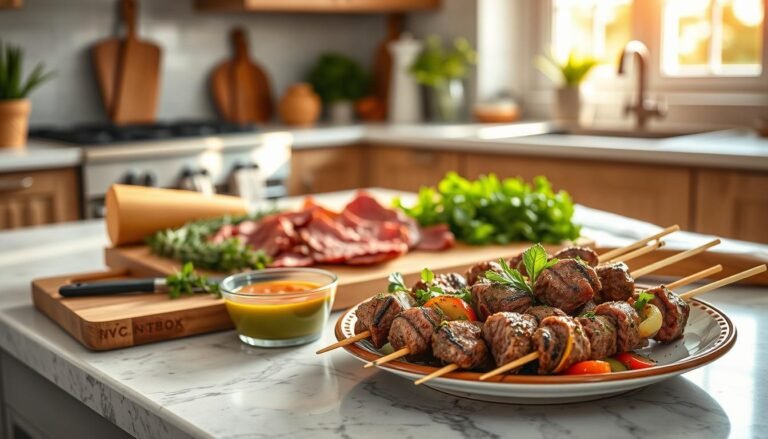
My go-to’s often include top sirloin, which offers great flavor and tenderness without a hefty price tag. Flank steak is another fantastic option, especially when marinated and sliced against the grain.
And don’t overlook round cuts, like top round or eye of round; these are incredibly lean and, with the right cooking method (think slow braising or thinly slicing for stir-fries), they can be wonderfully tender.
How do we keep things juicy without the grease?
Why I’m honestly obsessed with using the air fryer lately
You’ll be amazed at how well an air fryer handles leaner cuts. It circulates hot air around the meat, creating a beautiful crust while keeping the inside incredibly tender. Think of it as a convection oven on steroids, but without all the added oil you’d typically use for pan-frying.
This method works wonders for everything from thinly sliced sirloin to small batches of meatballs. You get that satisfying texture and rich flavor, but with significantly less fat because you’re not submerging anything in oil.
Seriously, don’t forget to let your meat rest
Cutting into your beef too soon is a common mistake that can dry it out instantly. Those precious juices need time to redistribute throughout the meat after cooking, otherwise, they’ll just spill out onto your cutting board.
Just a few minutes of resting can make all the difference between a tough, dry piece of meat and one that’s melt-in-your-mouth tender. For smaller cuts like steaks or burgers, five to ten minutes under a loose foil tent is usually plenty of time.
You’ll notice the difference immediately when you slice into it – the meat will be uniformly moist and flavorful, rather than having a dry exterior and a pool of juice next to it. This simple step truly locks in that moisture you’ve worked so hard to achieve.
My favorite 20-minute weeknight dinners
You’re busy, I get it. We all are. So, when dinner rolls around, the last thing you want to do is spend an hour slaving over a hot stove, especially if you’re trying to keep things lean. But don’t think “quick” means sacrificing flavor or healthy eating.
These aren’t just easy meals; they’re genuinely delicious, low-fat beef recipes that come together in a flash. You’ll actually look forward to these meals, and they’ll fit perfectly into your busiest evenings.
A beef stir-fry that actually tastes like takeout
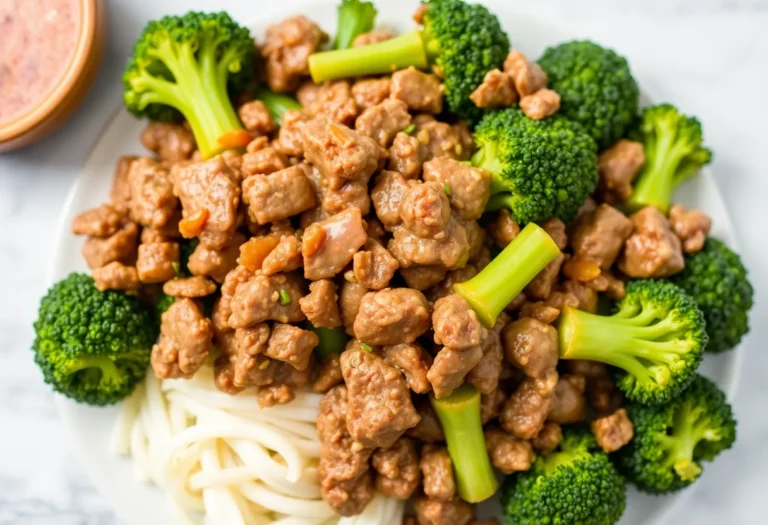
Creating a stir-fry that rivals your favorite takeout spot, but without all the oil, is totally doable. The secret lies in a screaming hot pan and not overcrowding it – you want to sear, not steam, your beef. Thinly sliced sirloin or flank steak works wonders here.
Your sauce is another key player. Skip the heavy, sugar-laden options and instead whisk together some low-sodium soy sauce, a touch of rice vinegar, fresh ginger, garlic, and a tiny bit of cornstarch to thicken. Toss in a ton of colorful veggies like bell peppers, broccoli, and snap peas for a complete meal.
Ground beef bowls that don’t feel like “dieting”
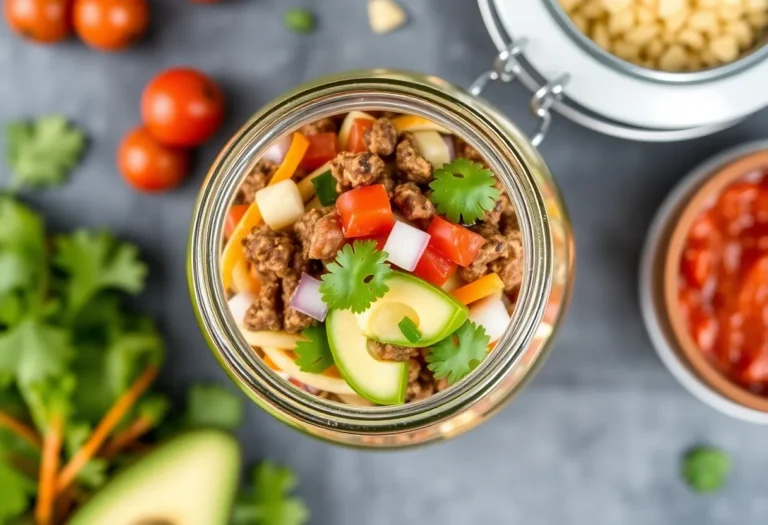
Who says healthy eating has to be boring? These ground beef bowls are anything but. You can build them around lean ground beef (90% lean or higher is your friend here), cooked quickly with some fantastic spices. Think Tex-Mex with cumin and chili powder, or even a Mediterranean vibe with oregano and a squeeze of lemon.
Serve your spiced beef over a bed of fluffy brown rice or quinoa, then load up on fresh toppings. Think crisp lettuce, juicy diced tomatoes, thinly sliced red onion, and a dollop of plain Greek yogurt instead of sour cream.
A sprinkle of fresh cilantro or parsley really brightens everything up, and you can even add a few slices of avocado for healthy fats and extra creaminess.
Let’s talk about those flavor-packed marinades
You’re probably thinking, “Marinades? Don’t they all use oil?” And yes, many do, but you don’t need a half-cup of olive oil to get incredible flavor. The trick is to focus on acids and aromatics that really penetrate the meat and tenderize it, giving you that juicy, flavorful result without all the extra fat.
Think about ingredients like citrus juices – lemon, lime, orange – or different kinds of vinegar, from apple cider to balsamic. These acids break down tough fibers and carry flavor deep inside. Then you’ve got your herbs and spices, which are zero-calorie flavor bombs just waiting to be unleashed.
How to get big taste without using a ton of oil
One fantastic way to infuse flavor is by using broths or stocks as your base. A rich beef broth, for example, can add tremendous depth without any added fat. You can even reduce it slightly beforehand to concentrate that umami goodness.
Another excellent option is incorporating pureed vegetables or fruits. Think about blending some roasted red peppers, sun-dried tomatoes (packed in water, not oil!), or even a little pineapple for its tenderizing enzymes. They add moisture and a complex sweetness.
My secret ingredients for a killer low-fat steak
My go-to secret weapon for a truly killer low-fat steak marinade is a combination of strong brewed coffee and a touch of unsweetened cocoa powder. Sounds wild, right? But the coffee adds an incredible earthy depth that complements beef beautifully, and the cocoa powder enhances that rich, savory flavor.
You’ll also want to include a good splash of Worcestershire sauce – it’s packed with umami and a hint of tang. Fresh garlic and a generous amount of freshly cracked black pepper are non-negotiable, of course. These elements work together to create a deep, complex crust when seared, making you forget you’re even eating a low-fat cut.
Comfort food that isn’t a total gut punch
You don’t have to sacrifice flavor or that cozy feeling just because you’re eating healthier. Think about it: a rich, hearty beef stew can still hit all those comfort notes without leaving you feeling sluggish afterwards. It’s all about smart ingredient swaps and lean cuts.
But how do you get that deep, satisfying taste without all the extra fat? We’re talking about dishes like a shepherd’s pie made with lean ground beef and a cauliflower mash topping, or a chili that’s packed with beans and vegetables, not just grease. You can absolutely indulge your cravings responsibly.
Slow cooker hacks for the best healthy stew
Using your slow cooker is probably the easiest way to get incredibly tender beef without needing a ton of added fat. You’re necessaryly braising the meat in its own juices and the liquid you add, which breaks down connective tissues beautifully. This means even leaner, tougher cuts become melt-in-your-mouth delicious.
One great trick is to brown your beef briefly in a hot pan before adding it to the slow cooker. This develops a fantastic depth of flavor through the Maillard reaction that you just won’t get from simply dumping raw meat in. Then, deglaze that pan with a little broth or red wine and add it to your stew for even more richness.
Why I think beef tacos are the perfect easy meal
Tacos are, hands down, one of the most adaptable and satisfying meals you can make, especially when you’re aiming for something quick and healthy. You’ve got your lean ground beef, which cooks up in a flash, and then it’s a free-for-all with fresh, vibrant toppings.
Think about the sheer variety you can achieve – from crisp lettuce and juicy tomatoes to spicy salsa and a dollop of Greek yogurt instead of sour cream. They’re also fantastic for using up whatever veggies you have lingering in the fridge, making them a budget-friendly and waste-reducing option.
You can load them up with black beans for extra fiber, add sautéed bell peppers and onions for sweetness, or even throw in some roasted corn. The possibilities are endless, and you control every single ingredient that goes into your wholesome, flavorful creation.
The biggest mistakes I see people making
Why you shouldn’t be afraid of a little pink in the middle
Overcooking lean beef is probably the most common error, and it’s a big one. You’re trying to avoid fat, which is great, but then you cook it until it’s gray and dry, completely defeating the purpose of a delicious meal. Lean cuts just don’t have the internal fat to keep them moist when taken past medium-rare.
Think of a sirloin or a flank steak; they’re naturally less marbled. If you blast these in a hot pan or oven for too long, they’ll seize up and become tough. A little pink isn’t just safe; it’s where the flavor and tenderness truly live.
The truth about those “healthy” store-bought sauces
Many people grab a bottle of what they think is a healthy sauce or marinade, only to unknowingly add a ton of hidden sugars and sodium. These can quickly turn your lean beef dish into something far less virtuous than you intended. Always check those labels!
You might see terms like “light” or “low-fat,” but that often means they’ve replaced fat with other ingredients that aren’t doing your waistline or your health any favors. A common culprit is high-fructose corn syrup, which can be lurking in surprising places, like barbecue sauces and even some teriyaki options.
Creating your own sauces at home gives you complete control over the ingredients. A simple blend of herbs, spices, vinegar, and a touch of olive oil can provide incredible flavor without any unwelcome additives. It’s often quicker than you think to whisk something together, and the taste difference is usually phenomenal.
Conclusion
You’ve now got a solid understanding of how to enjoy beef without all the extra fat, which really opens up a lot of delicious possibilities for your meal planning. It’s about making smart choices at the butcher counter, mastering those cooking techniques that lock in moisture, and getting creative with marinades and seasonings.
You can truly transform your weekly menu with these low-fat beef recipes, proving that healthy eating doesn’t mean sacrificing flavor or satisfaction.