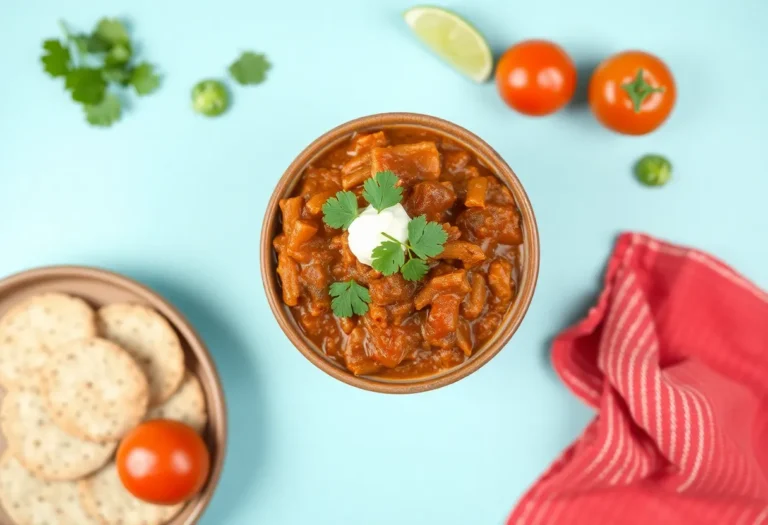
Vegetable Goulash with Lentils and Pasta
Ever thought about how a traditional Hungarian dish could become a tasty, plant-based comfort food? Vegetable goulash with lentils and pasta is here to change your mind about hearty meals.
This recipe turns the classic goulash into a modern, healthy dish. By using lentils instead of meat and adding pasta, it becomes both delicious and filling. The mix of veggies, legumes, and pasta makes it a complete, soul-warming meal.
Get ready for a culinary adventure that combines rich flavors, healthy ingredients, and a plant-based twist. Your kitchen is set to become a place of tasty, nutritious creations.
Key Takeaways
- Discover a plant-based twist on traditional goulash
- Learn how lentils can replace meat in classic recipes
- Understand the nutritional benefits of vegetable goulash
- Explore a versatile and comforting one-pot meal
- Master a recipe that’s both healthy and delicious
Understanding the Origins of Traditional Goulash
The story of traditional goulash starts in Hungarian cuisine. Shepherds made a hearty meal that became a national treasure. They created a strong stew to keep them going on long days on the plains.
Goulash history goes back to the 9th century. Hungarian cowboys needed a meal that was filling and could be cooked over an open fire.
Hungarian cuisine turned this simple dish into a national symbol. The original recipe was different from today’s versions. It was a dry meat dish seasoned with paprika, cooked in a kettle called a bogrács.
Shepherds cooked beef with onions and spices. This made a rich, flavorful meal that could stand up to harsh outdoor conditions.
As goulash evolved, it became more than just food. By the 19th century, it was a proud part of Hungarian culinary culture. Chefs started adding vegetables and making different versions.
This made goulash a comfort food loved around the world. It shows how a simple dish can become a global phenomenon.
Benefits of Making Plant-Based Goulash at Home
Making your own vegetable goulash is great for your health. It’s full of nutrients and tastes amazing. You get to choose what goes into your meal.
This dish is packed with protein and fiber from lentils and veggies. It’s good for your digestion. Plus, it’s low in saturated fats, unlike meat-based dishes.
It’s also cheaper to make at home. Restaurants can be pricey, but homemade goulash saves money. You can buy ingredients in bulk and adjust the portions to fit your needs.
It’s better for the planet too. By eating less meat, you help the environment. Every plant-based meal you make is a step towards a greener future.
It’s easy to make it fit your diet too. Whether you’re vegan, vegetarian, or just want to eat less meat, this dish is flexible. It meets your health goals.
Want to Cook Delicious Plant-Based Meals From Scratch But Have No Idea Where To Start?
Essential Ingredients for Vegetable Goulash with Lentils and Pasta
Starting a tasty vegetable goulash means picking the right ingredients. Your vegetables will add depth and nutrition. Use bell peppers, onions, carrots, and tomatoes as your main ingredients.
Lentils are key in this recipe. Red or green lentils are best, each with its own texture and cooking time. Brown lentils stay firm, while red lentils make the sauce thicker. Choose based on the sauce you want.
For pasta, choose short, sturdy shapes that hold the sauce well. Rotini, penne, or small shells are great. They mix well with the lentils and veggies.
Spices make a goulash special. Paprika is essential for warmth and color. Smoked paprika adds more flavor. Garlic, cumin, and caraway seed make it truly stand out.
Stock or vegetable broth makes the sauce rich. Use low-sodium broth to let the flavors of your ingredients shine.
Kitchen Tools and Equipment You’ll Need
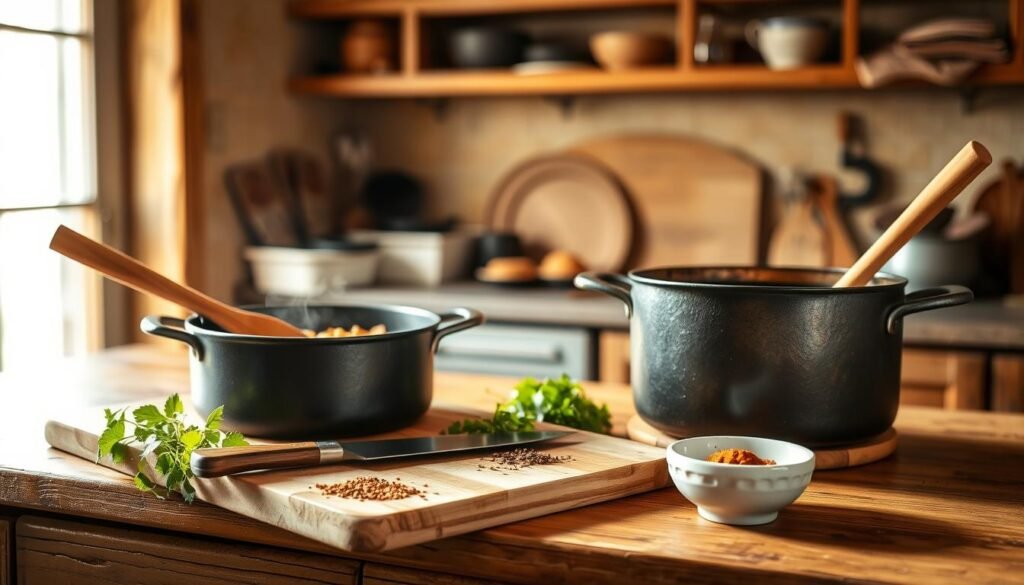
Preparing a delicious vegetable goulash needs some key kitchen tools. You don’t need fancy equipment, but the right tools make cooking easier and more fun.
Begin with a heavy-bottomed Dutch oven or large pot. It’s vital for even heat when cooking your goulash. Cast iron or enameled cast iron is best, as it enhances flavors and prevents burning.
For chopping veggies, a sharp chef’s knife is essential. You’ll also need a sturdy cutting board and a reliable wooden spoon for stirring. A good colander is great for draining lentils and rinsing veggies.
Even without special equipment, you can use a large skillet as a Dutch oven substitute. A standard measuring cup and spoons keep ingredient ratios right. A blender or immersion blender can also smooth out your sauce if needed.
More helpful tools include a potato masher for texture, a ladle for serving, and airtight containers for leftovers. With these basics, you’re ready to make a tasty vegetable goulash that will wow your loved ones.
Preparing Your Vegetables for Perfect Goulash
Mastering vegetable preparation is key to a great goulash. Your chopping skills greatly affect the dish’s taste and texture. Choose fresh, firm veggies that won’t fall apart during cooking.
Start by washing all veggies well. Use a sharp knife for clean cuts. Cut veggies into uniform pieces, about 1/2 to 3/4 inch. This ensures even cooking and flavor distribution.
Different veggies need different cuts for goulash. Cut root veggies like carrots and potatoes into bigger chunks. This keeps them from breaking down. Soft veggies like bell peppers can be diced finer to mix well with the sauce.
Roasting some veggies before adding them to goulash is a great tip. Roasting enhances their flavors, making your dish better. Onions, bell peppers, and root veggies are best for roasting.
Save time by prepping veggies ahead. Store them in airtight containers. This way, you can quickly make your goulash when you’re ready to cook. It makes meal prep easier and more fun.
Mastering the Paprika-Based Sauce
Want to Cook Delicious Plant-Based Meals From Scratch But Have No Idea Where To Start?
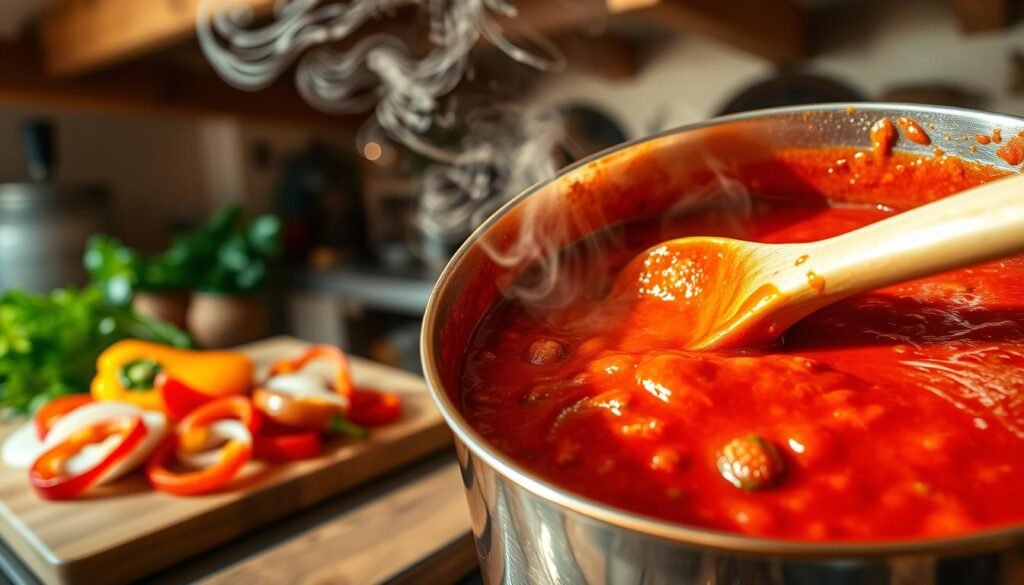
Making the perfect paprika sauce is key to a great goulash. Start by picking high-quality paprika. Sweet Hungarian paprika is best, giving your dish a rich flavor.
Heat olive oil in a big skillet first. Then, add your paprika ingredients slowly. This way, the paprika blooms in the hot oil without burning. It releases its full flavor and turns the sauce a vibrant red.
Creating your paprika sauce needs patience. Stir the spices gently with tomato paste and broth. This adds layers of flavor. Chefs say using fresh, quality paprika makes a big difference.
Try different paprika types to find your favorite mix. Some like sweet and smoked paprika for depth. The sauce should coat your food smoothly, blending flavors well.
Adjust the sauce’s thickness by adding broth or simmering it. Aim for a smooth, velvety texture. With time, you’ll make a sauce that wows everyone.
How to Cook Lentils for Optimal Texture
Cooking lentils right is key for a tasty vegetable goulash. Different types of lentils need different cooking methods. Red lentils cook quickly and become soft, while green and brown lentils stay firmer.
First, rinse your lentils well to get rid of any dirt. Use 3 cups of water for every 1 cup of lentils for the best texture. Boil the water, then lower the heat and let it simmer. Green and brown lentils take 20-25 minutes, while red lentils cook in 10-15 minutes.
To avoid mushy lentils, don’t stir too much and watch the water level. Add salt towards the end to keep the lentils firm. Check if the lentils are tender but not too soft. You want them to be firm enough for your goulash.
Pro tip: If you’re cooking lentils early, cook them a bit less. They’ll soften more when you add them to the goulash sauce. This way, you’ll always get the right texture.
Combining Pasta with Your Goulash
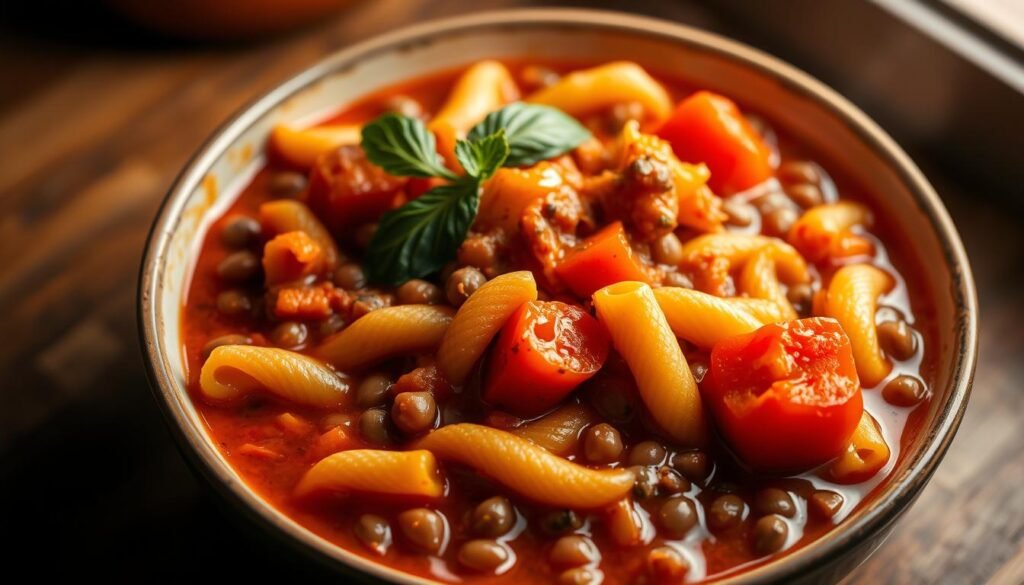
Choosing the right pasta can make your vegetable goulash special. Opt for short, sturdy shapes like rotini, penne, or shell pasta. These shapes catch the sauce well and make each bite perfect.
Cooking pasta in the goulash sauce adds deep flavors. Add your pasta for the last 10-15 minutes. This way, it soaks up the sauce and stays al dente. Stir now and then to avoid sticking.
Remember, you need a bit more sauce for pasta. If it gets too thick, add some vegetable broth or water. This keeps your pasta moist and tasty.
Pro tip: Let your goulash rest for 5-10 minutes after cooking. This lets the pasta soak up all the flavors. Your dish will be full of taste, texture, and comfort.
Seasoning Secrets for Authentic Flavor
Making the perfect goulash seasoning is like creating a work of art. It turns a simple vegetable dish into a masterpiece. The secret to a great goulash flavor starts with the right spices. Paprika is key, adding depth and warmth to every bite.
Choose high-quality Hungarian paprika, whether sweet or smoked, for the best flavor. Add fresh garlic, caraway seeds, and a bit of black pepper for a complex taste. Dried herbs like thyme and marjoram can also enhance the flavor, making your goulash stand out.
Layering your seasonings is important for rich flavors. Start by sautéing your spices in olive oil to release their oils. This step makes the flavors stronger and ensures the vegetables soak up all the taste. Always taste and adjust as you go – it’s all about finding the right balance.
Adding fresh herbs can really elevate your dish. A sprinkle of parsley or dill before serving adds freshness. Don’t be afraid to try different seasonings and trust your taste. Let your taste buds guide you to the perfect goulash.
Storage Tips and Leftover Ideas
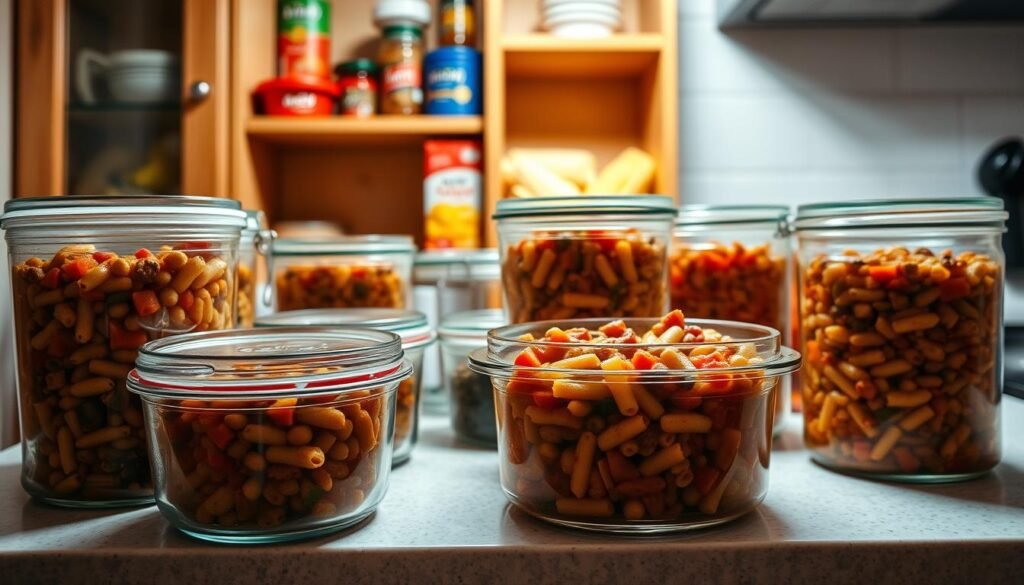
Storing vegetable goulash right lets you enjoy it for days. Let it cool down for about 30 minutes before storing. This step prevents moisture buildup and keeps it fresh.
Use airtight containers to store your goulash. Glass or high-quality plastic containers with tight lids are best. Divide it into portions to make reheating easier and keep air out.
Leftover goulash stays good in the fridge for 3-4 days. For longer, freeze it in freezer-safe containers. Frozen goulash can last up to 3 months. Remember to label containers with the date.
Reheating goulash is easy. Thaw frozen goulash in the fridge overnight, then warm it on the stove. Add some vegetable broth to keep it moist. Your leftover goulash can become a tasty pasta sauce or hearty soup.
Smart storage means you always have a quick, healthy meal ready. Enjoy your vegetable goulash leftovers without losing flavor or quality!
Serving Suggestions and Accompaniments
When you serve vegetable goulash, aim to make a meal that’s both complete and satisfying. Traditional side dishes can make your meal better and more interesting.
Crusty bread is a great match for vegetable goulash. Sourdough or rustic whole grain bread is best for soaking up the sauce. Lightly toast the bread to add a crispy texture that goes well with the goulash.
Adding fresh side salads can balance out the warmth of your dish. A crisp cucumber salad with dill or a tangy mixed green salad is perfect. These salads offer a refreshing contrast and make the meal more balanced.
Don’t forget about garnishes to improve your goulash’s look. Try adding fresh chopped parsley, a dollop of sour cream, or crumbled feta cheese. These toppings not only look good but also add more flavor to your meal.
To make a full meal, serve your vegetable goulash with roasted vegetables. Carrots, bell peppers, or zucchini are great choices. They add to the dish’s flavor and nutritional value.
Conclusion
Your journey to make a tasty vegetable goulash recipe has been fun. You’ve learned how to mix simple ingredients like vegetables, lentils, and pasta into a satisfying meal. This dish is not just food; it’s a way to explore your creativity in the kitchen.
Every time you make this goulash, you can try something new. You can change the spices, add different veggies, or pick a different pasta. It’s a dish that lets you express yourself through food.
Cooking is a joy that starts with passion and a desire to learn. Your adventure with plant-based comfort food is just starting. So, get your ingredients ready, turn on the stove, and make your own special vegetable goulash. It will not only warm your heart but also nourish your soul.
Now, it’s your turn to make this amazing recipe in your kitchen. Cook with confidence, share it with your loved ones, and savor every bite of your homemade vegetable goulash.
Want to Cook Delicious Plant-Based Meals From Scratch But Have No Idea Where To Start?