Vegan Stir Fry Bowls Healthy
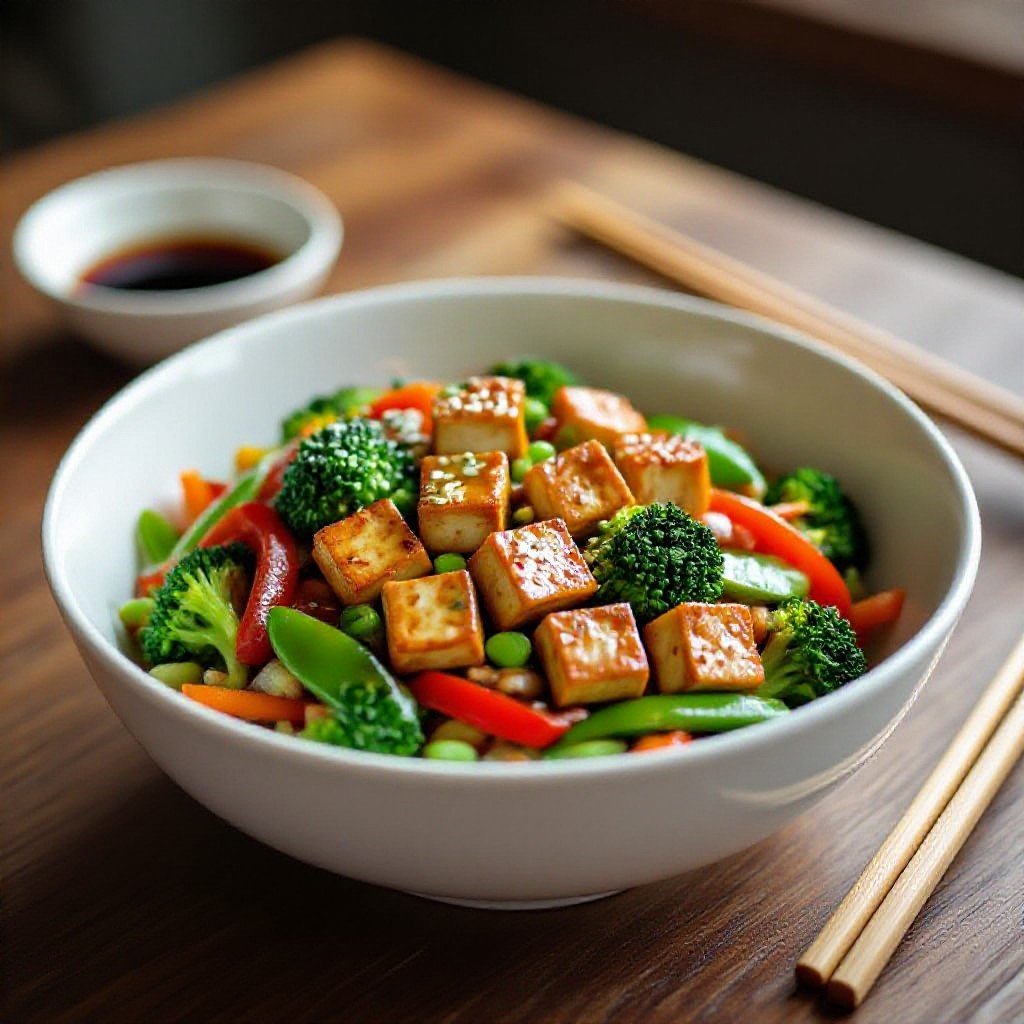
You want quick, nutritious meals that don’t compromise on flavor, right? Vegan stir fry bowls are your answer, offering a vibrant, customizable, and incredibly healthy option for any day of the week. We’re talking about a complete meal that’s packed with nutrients and totally delicious.
Key Takeaways:
A vegan stir-fry bowl isn’t just about throwing vegetables in a pan; it’s a complete meal that, when done right, offers a fantastic balance of macronutrients and micronutrients. You’re getting fiber, healthy fats, and protein all in one delicious dish.
The real magic often lies in the sauce, and you don’t need a store-bought, sugar-laden option. Crafting your own with ingredients like tamari, ginger, garlic, and a touch of maple syrup or agave gives you control over the sodium and sugar content, making it truly healthy.
Versatility is a huge win here, allowing you to use whatever vegetables are in season or what you have on hand, minimizing food waste and keeping things interesting. Adding a diverse range of colors ensures you’re getting a broad spectrum of vitamins and antioxidants.
Why stir-fry bowls are actually the ultimate health hack
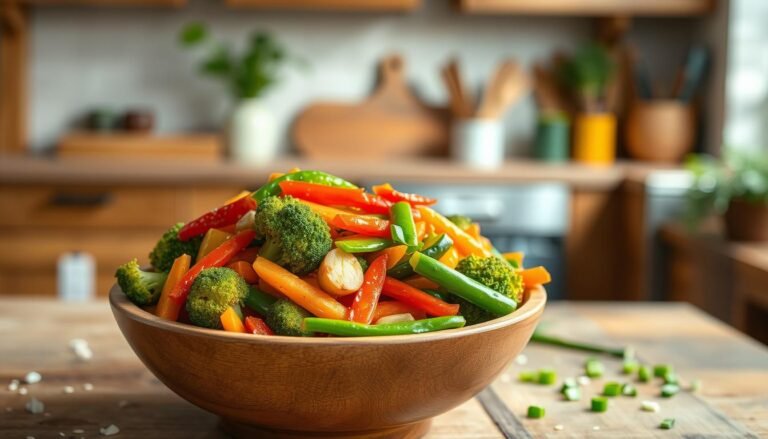
You’re getting a whole lot of goodness in one go, and it’s so easy to customize. Think about it: you can load up on a rainbow of vegetables, ensuring you hit those daily nutrient targets without even trying very hard. It’s a fantastic way to sneak in those often-neglected cruciferous veggies, too, like broccoli and cauliflower, which pack a serious punch.
This method of cooking also preserves a lot of the delicate nutrients that might be lost in longer cooking processes. A quick toss over high heat keeps your vegetables crisp and vibrant, and that means more vitamins and minerals make it to your plate. Plus, you’re usually using minimal oil, making it a lighter option overall.
My take on why they’re way better than boring salads
Salads are fine, don’t get me wrong, but they often leave you feeling a bit, well, cold and unsatisfied. A stir-fry bowl, though, offers that comforting warmth and a symphony of textures – crisp veggies, tender protein, and a hearty base. It’s a truly satisfying meal that actually feels like you’ve eaten something substantial.
You also avoid the dreaded “soggy salad” syndrome, where your greens wilt and your toppings get sad. Stir-fries hold up beautifully, even as leftovers, making them perfect for meal prepping. You get fresh flavors and satisfying crunch every time, which is something a lot of salads just can’t deliver.
The real deal about all those hidden nutrients
Many people don’t realize just how nutrient-dense a well-constructed stir-fry bowl can be. You’re not just getting your basic vitamins; you’re tapping into a wealth of antioxidants, phytochemicals, and imperative minerals that work synergistically. Each colorful vegetable brings its own unique profile to the party.
Consider, for example, the vibrant red bell peppers, brimming with Vitamin C, or the dark green spinach, packed with iron and Vitamin K. These aren’t just empty calories; they’re powerhouses of micronutrients.
And that garlic and ginger you’re likely adding for flavor? They’re not just spices; they’re potent anti-inflammatory agents with a host of health benefits. You’re imperatively building a medicinal meal without even thinking about it, just by choosing fresh, whole ingredients.
What’s the secret to a sauce that isn’t a total sugar bomb?
Honestly, you’ve just gotta skip the bottled stuff
You’re probably thinking, “But those bottled sauces are so convenient!” And yes, they are. But if you actually look at the ingredient list on most of them, you’ll find high-fructose corn syrup, refined sugars, and a whole host of preservatives. It’s truly shocking how much sugar can be packed into a single serving.
Making your own sauce from scratch gives you complete control over what goes into your bowl. It means you can enjoy all the flavor without any of the hidden nasties. Plus, it really doesn’t take much longer than rummaging through your pantry for that store-bought bottle.
Here’s how to get that savory kick without the junk
Building a great stir-fry sauce starts with a few key components that deliver big flavor without relying on sugar. Think umami. Think acidity. Think a little bit of heat to really wake up your taste buds.
You’ll want to lean heavily on ingredients like tamari or soy sauce for that salty, savory base. A splash of rice vinegar or lime juice introduces a bright, tangy element that cuts through richness beautifully. And for a touch of warmth, a bit of grated fresh ginger and garlic are absolute musts.
A little sesame oil, just a drizzle, adds a nutty depth that’s incredibly satisfying, and you can thicken it slightly with a cornstarch slurry if you like a more substantial sauce. Don’t forget a pinch of red pepper flakes if you enjoy a bit of a kick!
Let’s talk about the base: Rice, noodles, or what else?
You’ve got your vibrant veggies and your savory protein, but what’s holding it all together? The base of your stir-fry bowl is more than just a filler; it’s a foundational element that can significantly impact the nutritional profile and the overall satisfaction of your meal. Think about the different textures and flavors each option brings to the party.
This is where you can really play with variety, moving beyond the usual suspects. Are you in the mood for something hearty and comforting, or perhaps something lighter and quicker to prepare? Your choice of base can transform the entire dish, so let’s explore some excellent options that keep things healthy and delicious.
Why brown rice isn’t your only healthy option
Brown rice often gets all the glory in healthy eating circles, and for good reason-it’s packed with fiber and nutrients. But you’re not limited to just one grain. There’s a whole world of wholesome alternatives out there that offer different benefits and exciting new flavors.
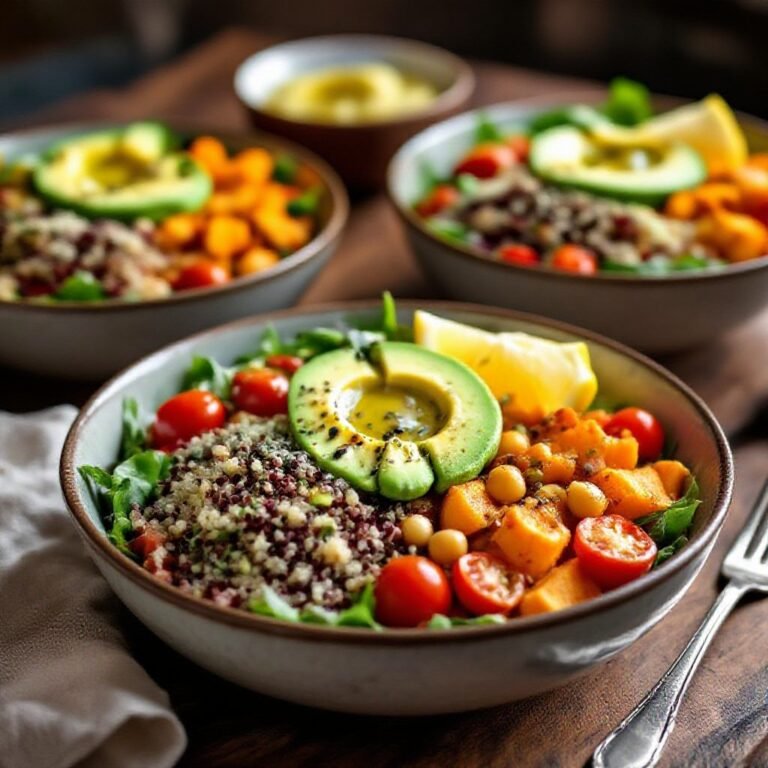
Consider grains like quinoa, which is a complete protein, or farro, with its delightful chewy texture and nutty flavor. Both are fantastic for soaking up those delicious stir-fry sauces and adding another layer of nutritional goodness to your bowl.
My favorite low-carb swaps that don’t taste like cardboard
If you’re looking to cut down on carbs, you might picture sad, flavorless substitutes. But trust me, you can have a satisfying and delicious stir-fry base without loading up on grains. The trick is choosing options that genuinely complement the other ingredients, not just disappear into the background.
You’ve probably seen cauliflower rice everywhere, and it’s a solid choice when prepared well. But don’t stop there; think about how spiralized zucchini or even finely shredded cabbage can create a fantastic, tender base that really lets your stir-fry flavors shine.
My absolute favorite, though, has to be konjac noodles, often called “miracle noodles.” They’re virtually carb-free and absorb the flavor of whatever sauce you put them in, making them an incredible, guilt-free swap that won’t leave you feeling deprived.

How to meal prep these so they don’t get all soggy
Nobody wants a sad, soggy stir-fry for lunch, right? The key to keeping your meal prep bowls fresh and vibrant is all about separation and smart storage. You’re aiming to prevent those delicious sauces from turning your crisp veggies into a mushy mess before you even get a chance to enjoy them.
Think about the components of your stir-fry: the base, the veggies, the protein, and the sauce. Each plays a role in how well your bowl holds up over a few days. Getting this right means you’ll have genuinely enjoyable, healthy lunches ready to go.
The layering trick you’ve seriously gotta try
This is where the magic happens for preventing sogginess. Start with your sauce at the very bottom of your container. You might think that’s counterintuitive, but trust me on this one – it’s a game-changer.
Next, add your protein, then your heartier, less absorbent veggies like broccoli or carrots. Your more delicate greens, like spinach or bok choy, go on top of that, followed by your cooked grains or noodles. This creates a barrier, protecting everything until it’s time to eat.
Reheating tips that actually work for work lunches
Microwaving stir-fry can be tricky; you don’t want to overcook the veggies or dry out the protein. A gentle approach is usually best. You’re aiming to warm it through, not cook it again from scratch.
If you have access to a stovetop at work, that’s often the ideal scenario for reheating. Just a quick toss in a pan can revive the textures beautifully. But for most of us, the microwave is the reality, so let’s make it work.
- Use a microwave-safe bowl with a lid that allows a little venting.
- Heat in short bursts, stirring in between. Try 60 seconds, stir, then another 30-60 seconds.
- Add a tiny splash of water or broth if things look a bit dry.
- Assume that your microwave’s power might vary, so always start with less time.
When you’re ready to eat, give everything a good stir to distribute that sauce from the bottom. This ensures every bite is flavorful and well-coated, transforming your layered components into a perfectly integrated stir-fry bowl. It’s a small step, but it makes a huge difference in the overall experience.

To wrap up
You’ve now got all the tools to whip up some seriously delicious and incredibly healthy vegan stir-fry bowls. Think of them as your personal canvas for culinary creativity; you’re in charge of the flavors, the textures, and just how vibrant you want your meal to be.
Making these bowls isn’t just about eating well, it’s about enjoying the process and feeling good about what you’re putting into your body. Go ahead, experiment with different sauces, try a new vegetable, or discover a protein you never thought you’d love. You’re building a healthier, happier you, one delicious bowl at a time.