Vegan Fitness Meal Prep for Your Weekly Workouts
Can Vegan Fitness Meal Prep fuel your hardest training sessions without keeping you in the kitchen all day? Many athletes struggle to balance busy schedules with steady, high-quality nutrition. Planning plant-based breakfasts, lunches, and dinners ahead is a game changer for performance.
Spend a few hours batch cooking to remove the stress of daily food choices. Vegan Fitness Meal Prep also makes it easier to track your intake of calories, carbohydrates, and protein. Our guide gives a realistic look at building flexible dishes that support your body and keep storage simple and efficient.
Key Takeaways
- Batch cooking saves time and reduces daily stress.
- Tracking macronutrients becomes simpler with organized planning.
- Focus on flexible components to keep your diet interesting.
- Proper storage techniques ensure your food stays fresh all week.
- Plant-based nutrition can fully support high-intensity training goals.
Why Vegan Fitness Meal Prep Makes Your Workout Week Easier
Imagine coming home after a tough workout to a fridge filled with healthy, ready-to-eat meals. When you feel tired and hungry, takeout or processed snacks can seem tempting. Vegan meal prep removes quick choices that can derail your fitness goals.
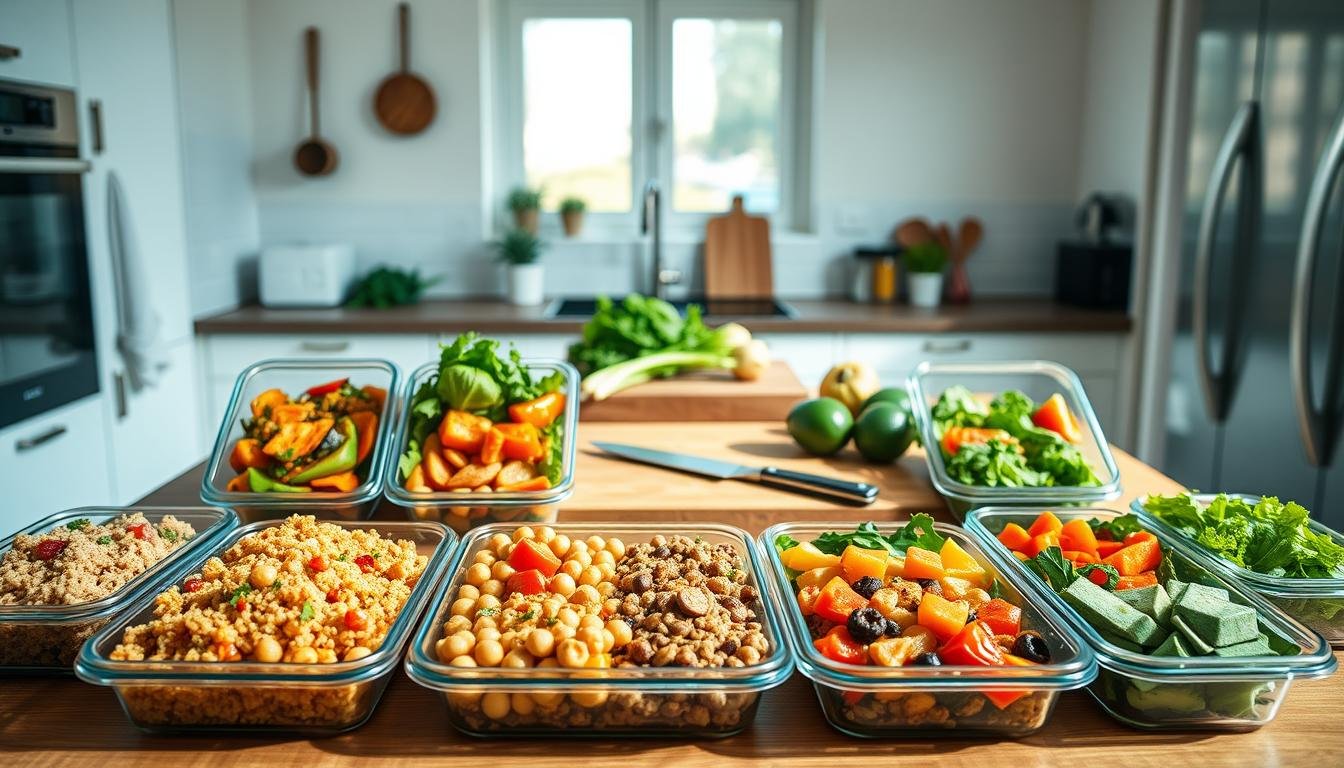
Pre-cooked foods let you build a nutritious plate in minutes. At the week’s start, batch-cook staples such as quinoa, lentils, roasted vegetables, and flavorful sauces. Plant-based meal prep gives each meal a strong base without serving one dish every day.
Mixing these foods keeps meals interesting and supports good nutrition. One night, pair roasted vegetables with grains and tahini dressing; next, add them to hearty soup or a wrap. This flexibility defines successful plant-based meal prep.
Regular preparation helps you keep a steady eating schedule, which supports recovery and energy. Still, your body needs different amounts of fuel based on training intensity. Adjust portion sizes through the week to match your specific energy demands, making vegan meal prep a flexible tool for fitness success.
Set Your Nutrition Targets Before You Start Cooking
Success in the kitchen begins long before you turn on the stove. To excel in training, first learn the basics of vegan nutrition for athletes. Calculate your daily needs for calories, carbohydrates, fats, and hydration to give your body needed energy.
Protein is a vital part of this plan. The standard Recommended Dietary Allowance for adults is 0.8 grams per kilogram of body weight. Active people often need more to support muscle repair and growth, so include high-quality plant-based protein in every meal.
Tracking your intake helps you stay consistent with your fitness goals. Whether lifting heavy weights or training for a marathon, your fuel strategy affects recovery speed. Choose varied sources of plant-based protein, such as lentils, tofu, tempeh, and seitan, for interesting, nutrient-dense meals.
When to consider guidance from a registered dietitian
General guidelines may not meet your specific needs. Consider a registered dietitian if you have underlying medical conditions or are pregnant. These professionals create personalized plans based on your health history.
Seek expert advice if you have a history of restrictive eating or concerns about disordered eating patterns. A dietitian can help you build a healthy relationship with food while meeting high-performance goals. They keep your nutrition approach safe, sustainable, and effective for long-term well-being.
Plan a Weekly Meal Prep Menu Around Your Workouts
A successful vegan meal plan balances your energy needs with training intensity. Eat more complex carbohydrates on high-intensity interval training days and long-distance run days. These extra calories fuel your hardest sessions.
On scheduled rest days, choose lighter, nutrient-dense foods. Eat more leafy greens and lean plant proteins to support muscle recovery without feeling weighed down. This change helps you keep progressing while your body gets needed downtime.
A consistent workout meal plan keeps you organized when your schedule gets hectic. Keep it flexible because meetings, workout times, and appetite can change. You may need to swap meals sometimes.
Sample seven-day meal prep schedule
Build your weekly framework by preparing versatile foods you can mix and match. For breakfast, try overnight oats or tofu scrambles for steady energy. Choose easy-to-grab lunches, such as quinoa salads or hearty lentil soups.
For dinner, serve larger portions of roasted vegetables with tempeh or bean-based stews. Keep bananas or rice cakes ready for a quick pre-workout energy boost. Post-workout meals should feature protein and moderate carbs to start recovery.
This structure is only a guide to help you begin. Adjust your routine as you learn how your body responds to different foods. The best workout meal plan changes with your fitness journey and helps you feel your best each day.
Stock Your Kitchen With High-Value Vegan Fitness Foods
A smart vegan grocery list helps athletes stay ready. Stock versatile staples to reduce daily stress and support long-lasting training energy.
Budget-friendly pantry and freezer essentials
For consistent, budget-friendly vegan meals, choose affordable items in bulk. Stock oats, brown rice, potatoes, dried beans, and lentils. These foods form an inexpensive base for any post-workout bowl.
Do not overlook your freezer. Frozen vegetables and fruits are often more nutritious than fresh options because they are picked at peak ripeness. They also reduce food waste because you can portion what you need without spoilage.
Tofu and nuts help you reach your protein and healthy fat targets. Keep them ready for budget-friendly vegan meals. This plan supports your nutrition without breaking the bank.
Useful meal prep containers and cooking tools
Efficient cooking requires the right equipment. Choose high-quality containers with secure, leak-proof lids to keep food fresh. A reliable kitchen scale helps you track your macros accurately.
Use a rice cooker or large pot to simplify cooking grains. Sheet pans roast large batches of vegetables or tofu at once. Keep reusable sauce cups nearby, and store dressings separately until you eat.
Prep High-Protein Components for Fast, Flexible Meals
Save hours by prepping versatile, high-protein ingredients for weekly meals. Staples such as lentils, chickpeas, edamame, seitan, and textured vegetable protein let you mix flavors throughout the week. These foods support many high-protein vegan meals and help keep your energy steady during training.
Tempeh and tofu are excellent choices for your rotation because they absorb marinades well. Keep sauces in separate containers to stop your proteins from becoming soggy before mealtime. This simple step keeps every bite fresh and flavorful.
How to improve texture when reheating tofu and grains
Good tofu meal prep uses a few techniques to protect a firm texture. Press tofu well to remove excess water, then cook it at high heat in the oven. This creates a crisp outside that stays firmer in the refrigerator than pan-fried versions.
For grains like rice, quick cooling supports food safety and texture. Spread cooked grains in shallow containers so they cool quickly before you seal them. Before reheating, add a small splash of water or broth to prevent dryness and restore their fluffy texture.
Assemble Balanced Breakfasts for Training and Recovery
Mastering vegan breakfast meal prep can improve how you feel during morning workouts. Prepare meals ahead, so you always have a nutritious option ready. Choose overnight oats, chia puddings, or savory tofu scrambles to make mornings smoother.
Keep breakfast burritos or whole-grain muffins with fresh fruit in your fridge. They suit busy mornings when you need fuel fast. For quick smoothies, pre-portion ingredients into bags before blending.
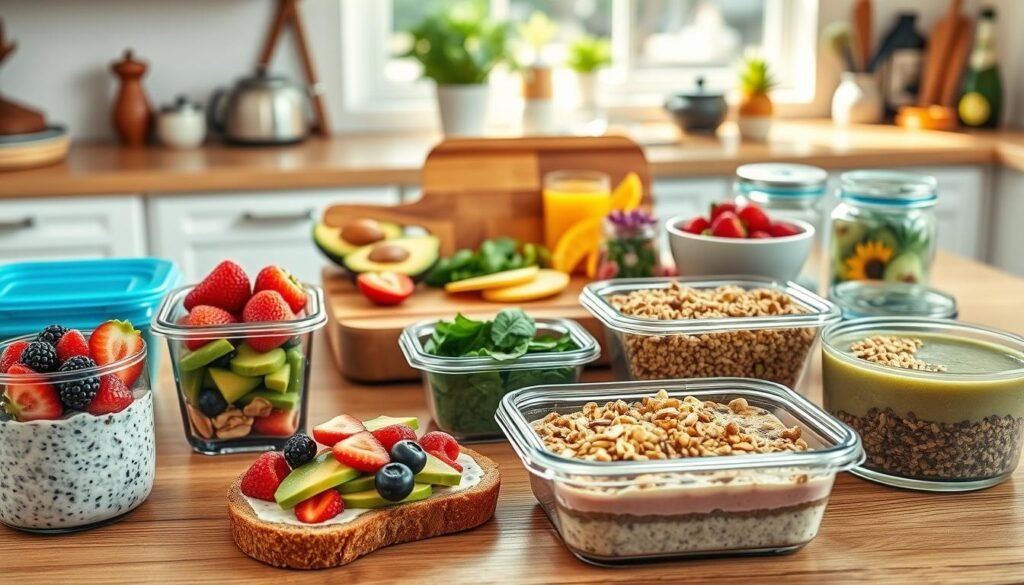
You can add protein without eating a massive portion. Use soy milk, silken tofu, or vegan Greek-style yogurt in your recipes. A tablespoon of hemp seeds or a scoop of plant protein powder adds strong nutrition without extra bulk.
Quality post-workout nutrition matters when you train early in the day. Pair complex carbohydrates with a solid protein source to help muscles recover faster. This helps when your next full meal is several hours away, stabilizes energy, and supports long-term fitness goals.
Build Grab-and-Go Lunches for Busy Workout Days
When schedules get packed, ready grab-and-go vegan meals can protect your fitness progress. You do not need hours in the kitchen to eat well. Use a simple formula to make filling lunches for afternoon training.
Start your vegan lunch meal prep with one choice from each category: protein, whole-grain or starchy carbohydrate, and colorful vegetables. Choose marinated tofu, chickpeas, or lentils for protein. Add quinoa, brown rice, or sweet potatoes for lasting workout energy.
Many tasty combinations can keep your meals interesting all week. Try hearty lentil grain bowls, savory tofu wraps, or refreshing chickpea salads. For warm options, pack burrito bowls; cold pasta salads also suit gym commutes or office lunch breaks.
Pack dressings, sauces, and crunchy toppings separately
Smart storage keeps your grab-and-go vegan meals fresh. Place dressings and sauces in a small, separate container until you are ready to eat. This keeps grains and greens from turning soggy before lunch.
Pack crunchy toppings, such as sunflower seeds, chopped nuts, or crispy tortilla strips, in a separate baggie. Add them just before eating to keep each bite fresh and satisfying. This habit makes vegan lunch meal prep feel gourmet instead of like a chore.
Prepare Pre-Workout Snacks and Post-Workout Meals
Mastering pre-workout snacks and post-workout meals helps vegan athletes train and recover well. Before exercise, choose easy-to-digest carbohydrates for quick energy. Try a banana with a slice of toast, dates with pretzels, or a small serving of applesauce.
After training, your body needs protein and carbohydrates to repair muscle tissue. These vegan recovery meals should provide many nutrients and help you recover faster. Try rice bowls with tofu, bean-based wraps, or soy yogurt with berries.
Time meals around morning, afternoon, and evening workouts
Your meal timing depends on when you exercise. For morning workouts, eat a light snack about one hour before starting. This fuels your body without making you feel sluggish during movement.
For afternoon or evening sessions, eat a larger snack one to two hours before starting. This timing helps keep your blood sugar stable throughout your workout. Listen to your body because food tolerance near exercise varies greatly.
Consistency matters when planning your pre-workout snacks and post-workout meals. Match your food intake to your training schedule to improve energy and recovery time.
Store, Reheat, and Pack Your Meals Safely
You worked hard to prep your food, so keep it safe to eat. Good meal prep food safety helps protect nutrients and keeps meals fresh. Keep perishable foods out of the temperature danger zone, from 40°F to 140°F.
For vegan meal prep storage, your refrigerator is your best friend. Most prepared plant-based meals stay fresh and delicious for three to four days at the right temperature. Freeze extra portions immediately to preserve quality for later in the month.
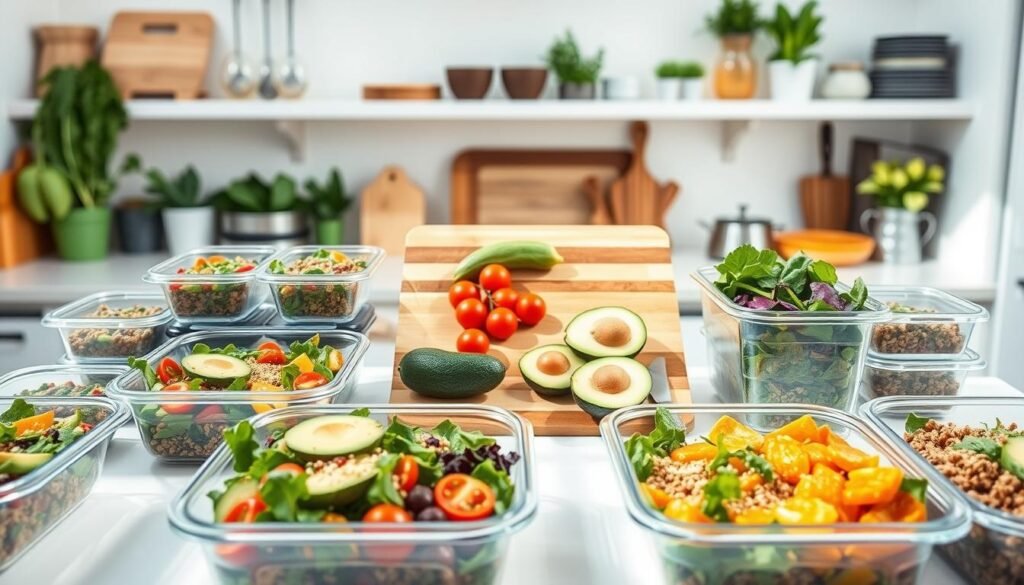
Before lunch, reheat food until it is steaming hot throughout. This kills bacteria and improves the texture of grains and legumes. In a microwave, stir food halfway through for even heating.
Pack meals safely for work, travel, and the gym
Transporting food requires the right gear for meal prep food safety. Use a high-quality insulated lunch bag and reusable ice packs to keep meals chilled during your commute. This setup keeps ingredients crisp and safe until you are ready to eat.
Choose leak-resistant containers to prevent spills in your gym bag or backpack. Store dressings or sauces in small, separate containers to keep salads and bowls fresh. Proper vegan meal prep storage helps keep your fitness routine running smoothly.
Adjust Your Meal Prep as Your Training Changes
Good vegan fitness nutrition starts with regular check-ins with your body. Training needs change when you increase intensity or alter workout length. Harder training requires more fuel for the extra work.
Review your vegan fitness nutrition portions when your strength goals, body weight, or sleep patterns change. Changes in appetite may show that your energy use has shifted. Reviewing your weekly menu helps you respond before these changes affect training.
Persistent hunger may show that you are not eating enough. You may also see weaker workouts or need more time to recover. These signs often show that your vegan fitness nutrition plan needs more energy.
Unusual fatigue or unintended weight loss may show that your plan lacks enough fuel. These symptoms can have many causes, but note them when training hard. Improve your vegan fitness nutrition by increasing portions of grains, beans, tofu, nuts, seeds, or fortified soy foods.
If these changes do not help, consider seeking professional guidance. A registered dietitian or sports nutritionist can offer advice for your specific needs. Listen to your body to stay healthy and strong throughout your training cycle.
Keep Your Vegan Fitness Meal Prep Sustainable All Week
Healthy habits need more than a Sunday kitchen session. To master vegan fitness nutrition, prepare flexible ingredients instead of fixed, ready-made meals. Then, mix and match foods to fit your cravings and energy levels each day.
Plan a quick midweek refresh to keep your ingredients tasting fresh. Spend just twenty minutes on Wednesday evening chopping vegetables or steaming fresh grains. This small effort prevents food fatigue and keeps your routine manageable.
Transform the same base ingredients by changing your sauces, herbs, and spices. Quinoa and roasted chickpeas taste different with tahini-lemon dressing or spicy peanut sauce. Keep dried herbs and hot sauces in your pantry, so meals never feel repetitive.
Choose realistic batch sizes to prevent waste and keep your refrigerator organized. Use clear containers to see what you have at a glance. Freeze extra portions for a quick backup meal.
Adding high-quality vegan fitness nutrition to your life should stay flexible. Do not feel guilty about restaurant meals or changing plans when your schedule shifts unexpectedly.


Conclusion
Peak performance depends on steady habits that give your body the right fuel. Successful Vegan Fitness Meal Prep combines planned nutrition, flexible ingredients, and safe food-handling habits.
Prepare protein-rich foods to support muscle repair after your hardest sessions. Match carbohydrates to your training demands so your energy stays steady. Change portion sizes as workout intensity shifts to fuel your goals.
Begin with a simple weekly plan that fits your current lifestyle. Check how meals support recovery and overall strength gains. Refine your routine over time, making Vegan Fitness Meal Prep part of daily life.
Take control of your kitchen today and see how small changes affect athletic progress. Your body will reward your dedication with better endurance and faster recovery. Enjoy building a stronger version of yourself through smart, plant-based eating.