Vegan Balanced Diet Meals
Can you truly thrive while eating only plants? Many people worry that avoiding animal products means losing key nutrients or flavor. In truth, satisfying, nutrient-dense plates can be easier to create than you think.
Build meals with colorful vegetables, hearty grains, legumes, and nuts for lasting energy. These vegan balanced diet meals gain strength from variety, not one food group. Watch your vitamin B12 intake through fortified foods or simple supplements.
This guide explores healthy vegan recipes that simplify your daily routine. You will find quick breakfasts, protein-packed lunches, and budget-friendly dinner plans. Transform your kitchen into a source of plant-based goodness.
Key Takeaways
- Prioritize a wide variety of whole plant foods for optimal nutrition.
- Include vegetables, fruits, grains, and legumes in your daily rotation.
- Remember to supplement or choose fortified foods for vitamin B12.
- Focus on simple, convenient preparation to stay consistent.
- Use our upcoming tips to manage your grocery budget effectively.
- Explore diverse protein sources to keep your energy levels high.
What Makes Vegan Balanced Diet Meals Nutritious
You may wonder how a plant-based lifestyle gives your body the fuel it needs to thrive. Vegan nutrition means more than avoiding animal products; it means choosing high-quality, nutrient-dense foods. Eating many plants increases fiber, potassium, folate, and powerful antioxidants.
Carbohydrates provide your main energy source and help you stay active throughout the day. Plant proteins from beans, lentils, and tofu support tissue maintenance and muscle repair. Healthy unsaturated fats from nuts, seeds, and avocados add satisfaction and help you stay full longer.
Creating a balanced vegan plate becomes easier when you rotate ingredients throughout the week. Combine whole grains, colorful vegetables, and different legumes for a broad range of vitamins and minerals. Eating the same few foods may cause gaps, so variety remains your best tool for success.
Remember that no single food is always perfect or harmful. Rather than calling foods good or bad, consider your overall eating patterns and portion sizes. This flexible approach makes long-term health goals easier to maintain.
Consistent vegan nutrition depends on combining these diverse food groups. Whole, unprocessed plants provide building blocks that help your body function at its peak. A colorful, varied diet can help you feel energized and strong every day.
Build a Balanced Vegan Plate
The vegan plate method can help you stay full and energized all day. You do not need to be a professional chef to make a meal with key nutrients. A simple plant based meal balance helps fuel your body.
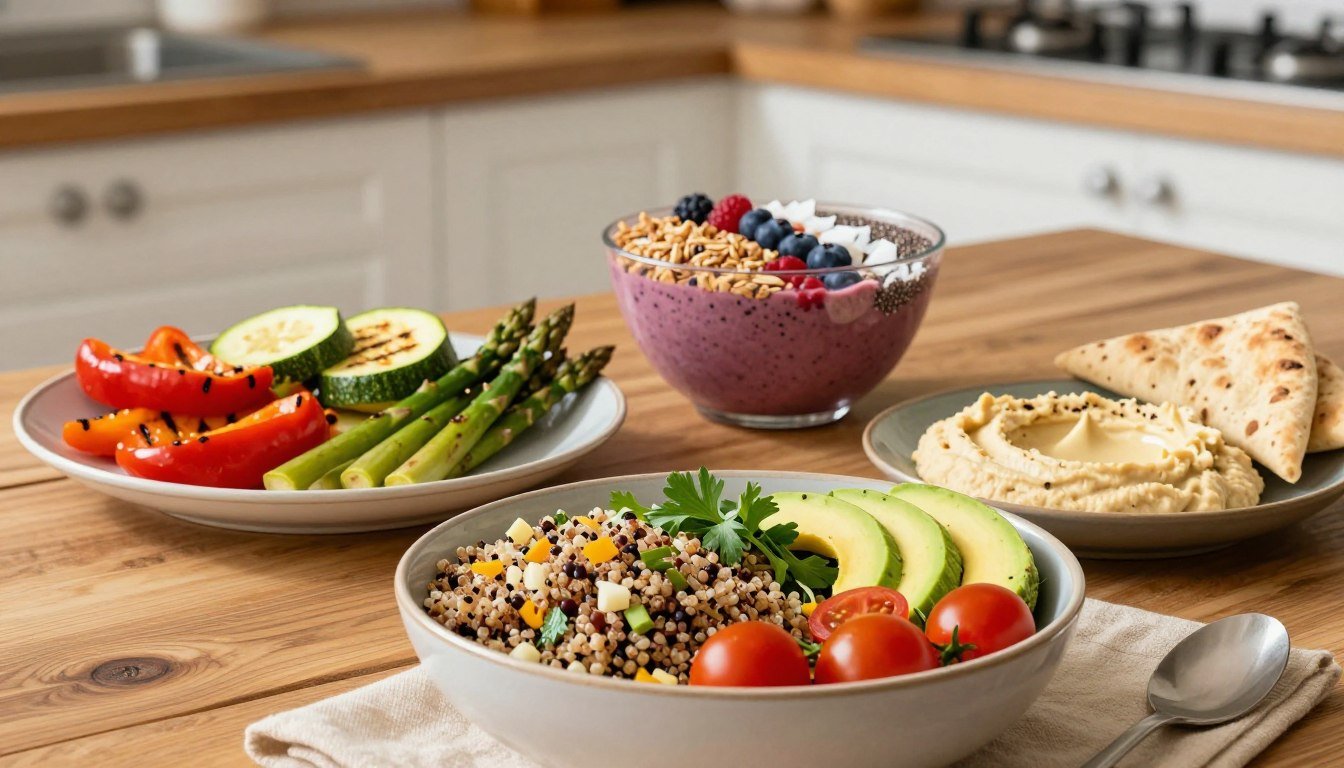
Think of your plate as a canvas with four essential elements. Fill half with colorful vegetables or fresh fruit for vital vitamins and fiber. Then add protein-rich plant foods, such as lentils, chickpeas, or tofu, to support muscle health.
Complete the meal with a whole-grain or starchy carbohydrate for lasting energy. Add a drizzle of healthy fat, such as tahini or avocado, to help you feel full.
This approach is flexible, not a rigid prescription. Adjust portions based on hunger, daily activity, or specific fitness goals. Hard training may call for more complex carbohydrates, while lighter days may need more leafy greens.
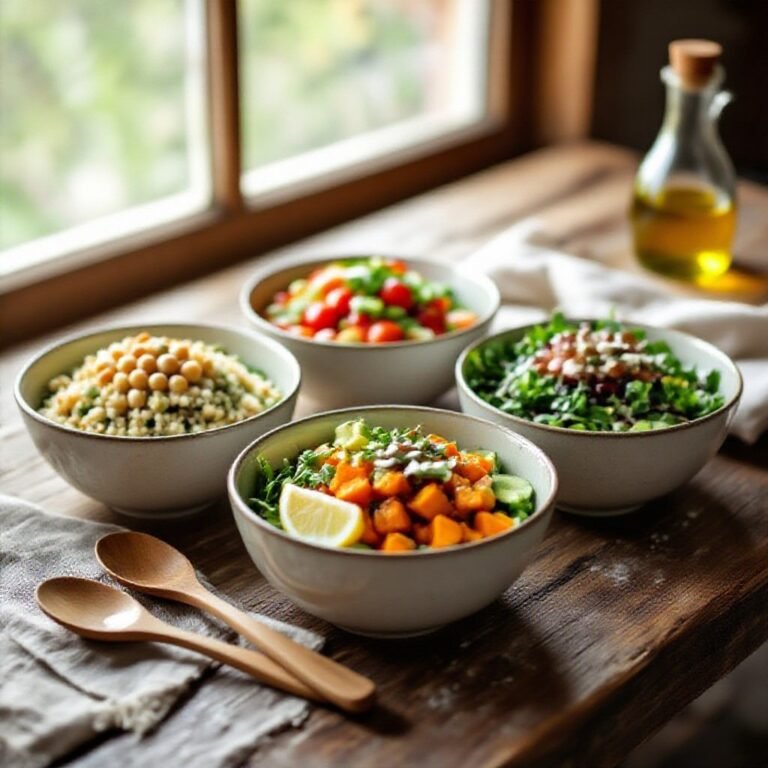
For a delicious example, combine roasted seasonal vegetables with hearty lentils and a scoop of brown rice. Top the mixture with creamy tahini dressing and a handful of fresh herbs to elevate its flavors. This plant based meal balance can help you feel satisfied longer.
These diverse food groups create a meal that is nutritionally complete and deeply comforting.
Easy Vegan Breakfast Meals for a Strong Start
A great day starts with breakfast that keeps you satisfied and energized until lunch. Many delicious vegan breakfast meals are quick to prepare and packed with nutrients. Try overnight oats with fortified soy milk for a creamy, grab-and-go option.
For a savory start, try tofu scramble with whole-grain toast for a hearty protein boost. Chia pudding with fresh fruit and seeds is another excellent choice. Together, these ingredients provide steady energy throughout your morning.
Oats, seeds, and fruit help create a high fiber vegan breakfast that supports digestion. Fortified plant milk adds essential nutrients, such as calcium and vitamin D, to your bowl. These simple additions make your first meal healthy and tasty.
How to adjust breakfast portions for your energy needs
Tailor your portion sizes to your daily activity level. If you have a busy, active morning ahead, add extra grains or fruit for more carbohydrates. This gives your body the quick fuel it needs to keep moving.
On days when you need to stay full longer, increase your protein and healthy fat intake. Extra nuts, seeds, or a larger serving of tofu can help keep hunger at bay. Adjusting these vegan breakfast meals helps you maintain steady energy all day.
Simple Vegan Lunches You Can Prepare Ahead
You can manage your schedule by preparing make ahead vegan meals during a short Sunday prep session. Choose staples such as hearty grain bowls, zesty bean salads, or comforting lentil soups that taste better the next day.
Build each meal with a cooked grain, like quinoa or farro, and a protein-packed legume. Add colorful, crunchy produce and a flavorful dressing for satisfying carbohydrates, fiber, and texture in every bite.
For fresh vegan lunch ideas, keep components separate until eating. Store dressing in a jar to prevent wilting greens, and wrap hummus wraps tightly in parchment paper to preserve crispness. This small step greatly improves food quality.
Smart packing tips for work, school, and travel
Use insulated containers for meals needing temperature control, such as warm vegetable pasta salads or chilled soups. They keep food safe and at the right temperature for hours. High-quality, leak-proof glass containers can also make your commute easier.
To avoid flavor fatigue, prepare several base components, like roasted vegetables or a batch of quinoa. Vary sauces, toppings, dressings, and fresh herbs throughout the week for make ahead vegan meals that never feel repetitive. This strategy keeps your palate excited while saving precious time.
Comforting Vegan Dinners With Complete Nutrition
You deserve a warm, comforting dinner that provides complete vegan nutrition. After a long day, simple, hearty vegan dinner recipes can make your evening routine more enjoyable. Whether you crave spicy lentil curry, robust bean chili, or classic vegetable stew, these meals offer perfect ways to refuel.
For a quick meal, try tofu stir-fry or whole-grain pasta tossed with white beans. These dishes offer excellent texture and satisfaction while using pantry staples you have on hand. Whole foods help ensure each bite supports your overall wellness goals.
How to keep one-pot dinners balanced instead of overly heavy
One-pot meals are convenient, but they may feel heavy when they rely only on starches. Balance dinner with protein from beans, lentils, or tofu, alongside grains, potatoes, or noodles. Add colorful vegetables for more fiber and a meal that feels light yet filling.
Rather than using too much oil or salt, add fresh herbs, bold spices, or citrus. Fermented ingredients like miso and kimchi can add depth of flavor and elevate your cooking. Roast garlic and onions to create a rich base for stews and curries.
Finally, add leafy greens or a simple side salad for more variety. These additions provide essential micronutrients without making cooking more difficult. These steps create delicious meals that support complete vegan nutrition every night.
High-Protein Vegan Meals for Fullness and Recovery
Fueling your body with high protein vegan meals is easier than you might think. Nutrient-dense foods give your muscles building blocks for recovery and steady energy throughout the day.
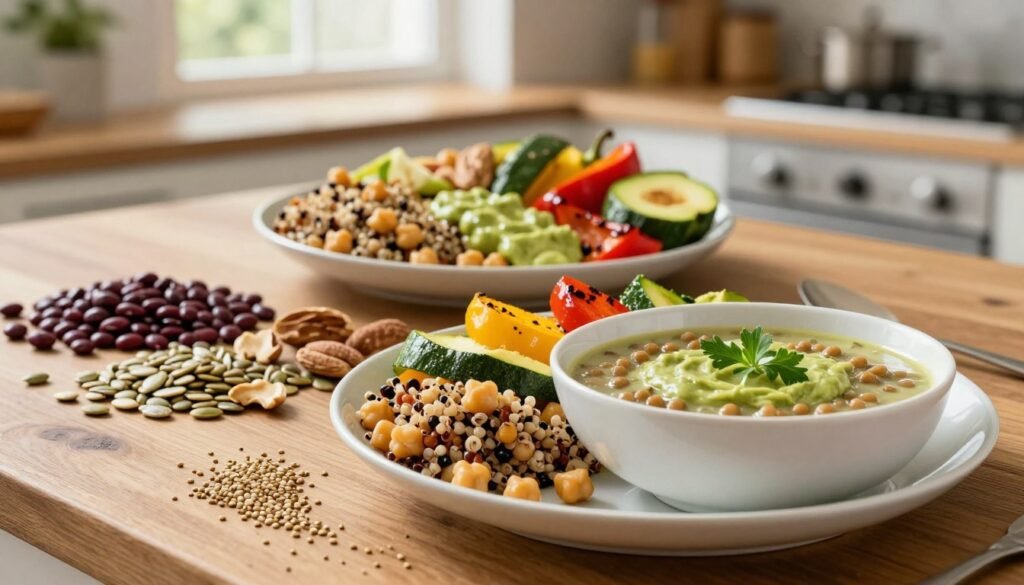
Beans, lentils, peas, tofu, tempeh, and seitan provide excellent plant based protein. Soy milk, nuts, seeds, and some whole grains also add to your daily protein intake.
How much protein to include at each meal
The general Recommended Dietary Allowance for adults is 0.8 grams of protein per kilogram of body weight. Your needs may change based on age, body size, activity level, or pregnancy status.
Rather than eating all your protein at one large dinner, spread it across breakfast, lunch, and snacks. This plan helps control hunger and supports muscle repair.
Try simple combinations like tofu with brown rice or hearty lentils with whole-grain bread. You can eat peanut butter on toast or mix it into fortified soy yogurt for plant based protein.
Budget-Friendly Vegan Meals From Everyday Ingredients
Whole foods make eating well on a budget easier than you might expect. Stock versatile staples to create delicious budget vegan meals that protect your wallet. Buy dried or canned beans, lentils, oats, rice, potatoes, cabbage, carrots, and onions in bulk.
Frozen vegetables provide good nutrition without high prices for out-of-season produce. They support many dishes while keeping your grocery bill low.
Ways to save money without relying on highly processed foods
Choose dried legumes instead of packaged options to save significant money. Dried beans take more preparation, but they provide the best value per serving. If time is short, choose canned versions, then rinse and drain them to remove excess sodium.
Plan your week around shared ingredients to work more efficiently. A large batch of roasted vegetables or cooked grains can anchor several meals. This approach prevents food waste and reduces extra purchases.
Expensive meat substitutes are not needed for satisfying meals. Use spices, flavorful sauces, and fresh seasonal produce to keep food exciting. These simple additions help you explore new flavors while mastering cheap vegan recipes that taste like a treat.
Quick Vegan Meals for Busy Weeknights
Your schedule may be packed, but dinner does not have to suffer. Prepare nutritious, plant-based food without spending hours in the kitchen. Keep a few staples ready, and make quick vegan meals in minutes.
Shortcuts that preserve flavor and nutritional variety
Stock your pantry with canned beans, microwavable grains, and high-quality jarred sauces. These staples form the base of many easy vegan weeknight dinners. Combine them with frozen vegetables or prewashed greens to create balanced meals with protein, fiber, and healthy fats.
Efficiency comes from intentional preparation. Batch-cook grains on the weekend, or keep pressed tofu ready in the refrigerator for a quick sear. A pressure cooker can also cut active cooking time in half for hearty stews or legumes.
Do not underestimate the power of layered seasonings. A splash of soy sauce, a squeeze of lime, or a dash of smoked paprika can transform basic ingredients. This technique keeps your quick vegan meals from tasting bland or repetitive.
Finally, rotate your sauces and vegetable choices to keep your routine fresh. Mix and match these components for a wide variety of easy vegan weeknight dinners throughout the week. This simple strategy keeps your nutrition diverse while saving precious time.
Vegan Snacks, Smoothies, and Small Meals
The right vegan snacks can help keep your energy steady throughout the day. These small bites fill the gap between main meals and keep your metabolism humming.
Build substantial snacks by combining at least two food groups. Pair carbohydrates with protein or healthy fats for a satisfying bite that keeps you full longer.
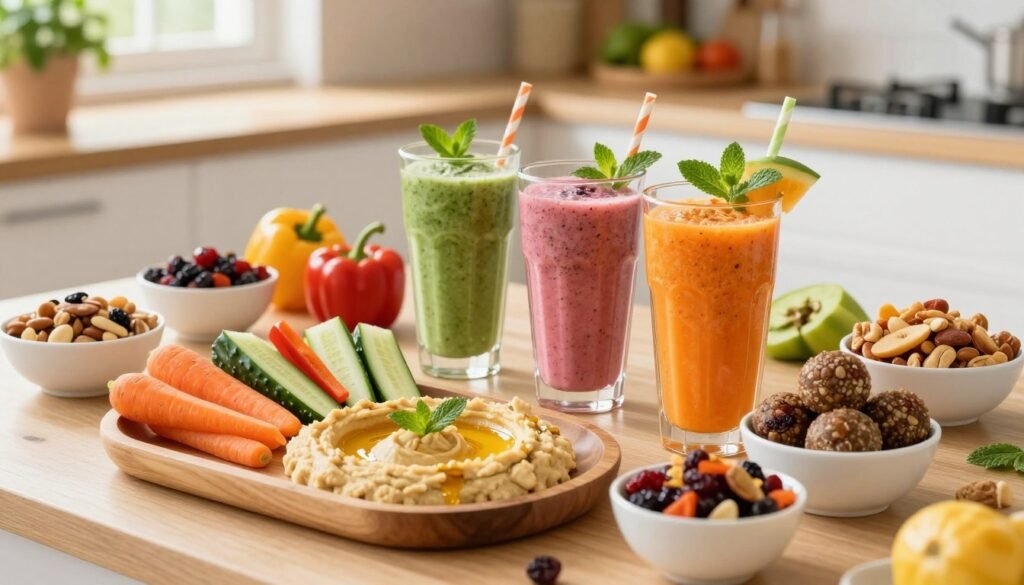
A snack works well when several hours remain before your next meal. If you feel moderately hungry, a small portion can tide you over without ruining your appetite.
These options also provide portable fuel for physical activity. Try roasted chickpeas, edamame, or a handful of trail mix for a quick energy boost.
Fresh fruit with creamy nut butter and hummus with crunchy vegetables are excellent staples. These simple combinations provide the fiber and protein your body craves.
When you prefer a drink, vegan smoothies offer a fantastic way to pack in nutrients. Avoid relying only on fruit juice, which can rapidly spike your blood sugar.
Balance your vegan smoothies with leafy greens, fortified plant milk, and protein from tofu or soy yogurt. Seeds like chia or flax add healthy fats, making your drink a complete, nourishing small meal.
Key Nutrients to Plan Into a Vegan Diet
When you adopt a plant-based lifestyle, plan your intake of essential nutrients carefully. Eating varied vegan vitamins and minerals helps your body stay energized and healthy. Most nutrients come from whole plant foods, but some require more careful planning.
Vegan B12 is one of the most important nutrients to monitor. Unfortified plant foods do not reliably provide active B12, so choose fortified cereals, plant milks, or a trusted supplement. B12 supports nerve function and blood cell formation, so include it in your routine.
Also consider iron, calcium, vitamin D, iodine, zinc, and omega-3 fatty acids. Plant iron is called non-heme iron, and your body absorbs it differently from animal sources. Pair iron-rich legumes or dark leafy greens with vitamin C foods, such as bell peppers, citrus fruits, or strawberries.
When to ask a healthcare professional about supplements or testing
Consult a qualified healthcare professional about your specific nutritional needs. Reach out if you have unexplained symptoms, take regular medications, or plan a pregnancy. They can advise whether you need specific supplements or laboratory testing to monitor your levels.
Professional advice matters even more with a highly restrictive eating pattern. A doctor or registered dietitian can help identify gaps in your diet. They can keep your nutrition safe, balanced, and sustainable for your long-term health goals.
A Practical Weekly Plan for Vegan Balanced Diet Meals
Simplify your kitchen routine with a weekly vegan meal plan suited to your lifestyle. Alternate breakfasts, grain-and-legume lunches, and vegetable-centered dinners to keep meals interesting. Nutrient-dense snacks help maintain energy throughout the day without leaving you hungry.
A weekly vegan meal plan works best when you prepare ingredients ahead. Spend one hour each weekend cooking large batches of grains, such as quinoa or brown rice. Roast seasonal vegetables, simmer beans, and prepare a versatile sauce or dressing.
Wash and chop produce after grocery shopping to save time on busy weeknights. Ready ingredients let you assemble balanced meals in minutes, not hours. This method organizes your kitchen and reduces the temptation to order takeout.
How to adapt the plan for allergies, preferences, and family meals
Flexibility matters when you customize your vegan meal plan for specific needs. If you have a nut allergy, replace peanut butter with sunflower seed butter in smoothies or oatmeal. People avoiding soy can replace tofu or tempeh with hearty lentils or chickpeas in any recipe.
Encourage family-style serving to make mealtime more welcoming for everyone. Put cooked grains, roasted vegetables, and protein options in separate bowls, so each person can build a plate. This approach lets family members adjust portions while sharing the same healthy, plant-based foundation.


Conclusion
Vegan balanced diet meals become simple when you choose the right building blocks. Combine plant-based proteins, whole-food carbohydrates, and colorful produce for lasting success. Add healthy fats and fortified foods to complete your nutritional profile.
Healthy vegan meal planning requires attention to specific needs, including vitamin B12. Review your essential nutrient intake to match your personal health goals. Garden of Life or nutritional yeast staples can make meeting these requirements easier.
Start by mastering a few repeatable recipes that you enjoy. Use seasonal ingredients and simple preparation habits to expand your variety. Leftovers often make the perfect base for your next quick meal.
Balanced eating should support your energy levels and budget. It must fit your preferences and daily routine. Take these steps today to build a sustainable lifestyle that nourishes your body and keeps you feeling your best.