Traditional Asian Desserts You Need to Try
Did you know the global Asian dessert market is set to hit $38.2 billion by 2027? Traditional Asian desserts are more than just sweet treats. They’re a journey through cultural delicacies that will change how you see food.
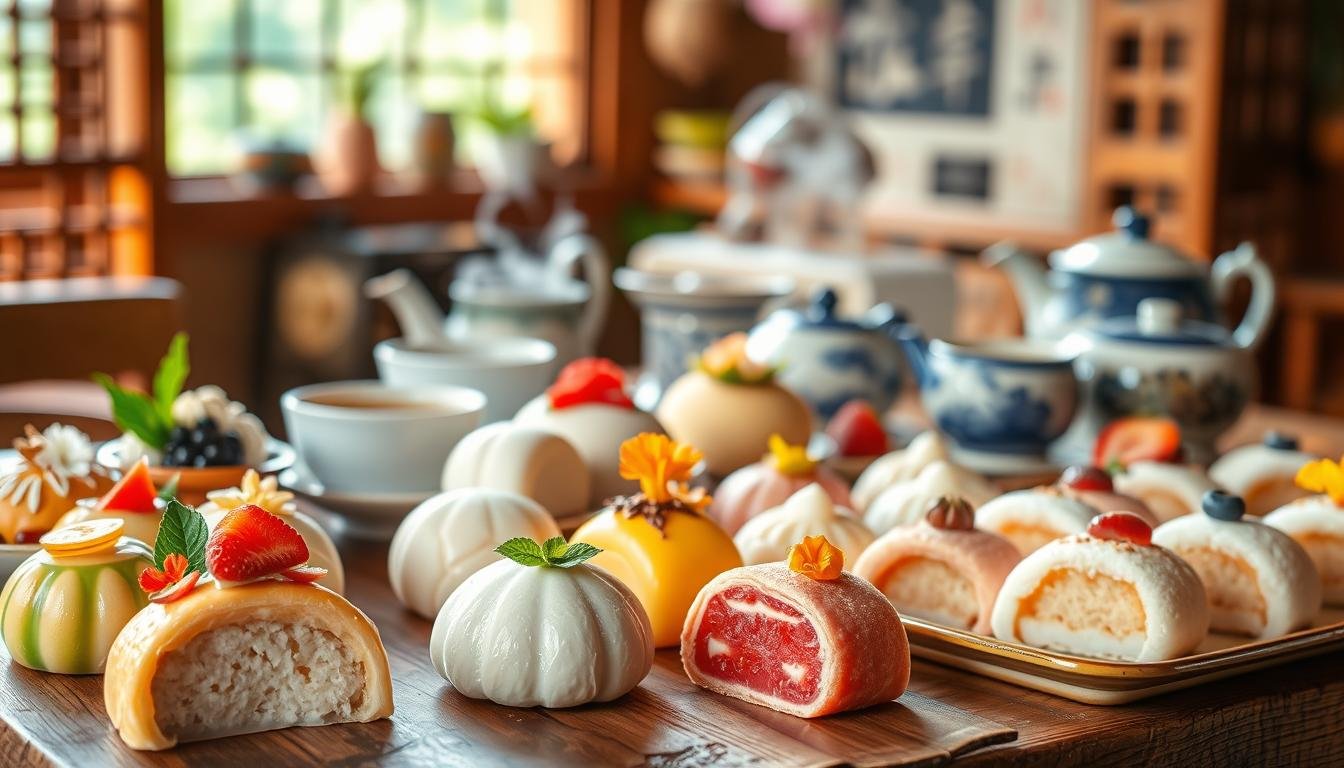
Asian cuisine has a wide range of unique desserts. From delicate Japanese mochi to rich Vietnamese che, these desserts showcase centuries of innovation and heritage.
Every region adds its own special touch to desserts. Whether you love food or just want to try new flavors, these desserts will excite your taste buds. They open a door to a world of amazing flavors.
Key Takeaways
- Asian desserts represent rich cultural traditions
- Unique ingredients create extraordinary flavor profiles
- Desserts vary dramatically across different Asian countries
- Many desserts blend sweet and savory elements
- Traditional techniques make these treats truly special
Discovering the Sweet World of Asian Desserts: A Cultural Journey
Start a tasty journey through the colorful world of Asian desserts. These treats are more than just food; they tell stories of culture and family. They bring exotic flavors and unique ingredients to your taste buds.
Every part of Asia has its own dessert style. Japan’s rice sweets and Southeast Asia’s coconut treats show off their rich heritage. The way they’re made and the ingredients used turn simple things into amazing dishes.
Asian desserts are special because they mix flavors in new ways. They use green tea, red bean, and tropical fruits, unlike Western sweets. This journey shows how these desserts connect us to our culture, celebrating festivals and family.
As food from around the world mixes, Asian desserts are becoming more popular. They offer a chance to try new tastes and ingredients. Get ready to explore a world of delicious desserts!
Want to Cook Delicious Plant-Based Meals From Scratch But Have No Idea Where To Start?
Essential Ingredients in Traditional Asian Desserts
Asian desserts are filled with unique ingredients that make simple recipes into works of art. When you look into authentic recipes, you find flavors that are far from what you see in Western sweets. Rice flour, coconut milk, and exotic fruits are key players in these tasty treats.
Every region in Asia has its own special ingredients. In Southeast Asia, pandan leaves add a bright green color and a unique smell to desserts. Japanese desserts often use matcha green tea powder, while Chinese recipes might include red bean paste. Each place adds its own special touch to making desserts.
Some ingredients might surprise you. Durian, known for its strong smell, makes creamy desserts in Malaysian dishes. Lychee adds a sweet taste to many Chinese and Southeast Asian sweets. These ingredients are more than just flavors; they tell stories of local traditions and culinary heritage.
Exploring these ingredients helps you understand the richness of Asian dessert traditions. From sticky rice to tropical fruits, each part adds something special. Your journey through Asian desserts will open up a world of flavors that are beyond what you might expect.
Must-Try Japanese Dessert Delicacies
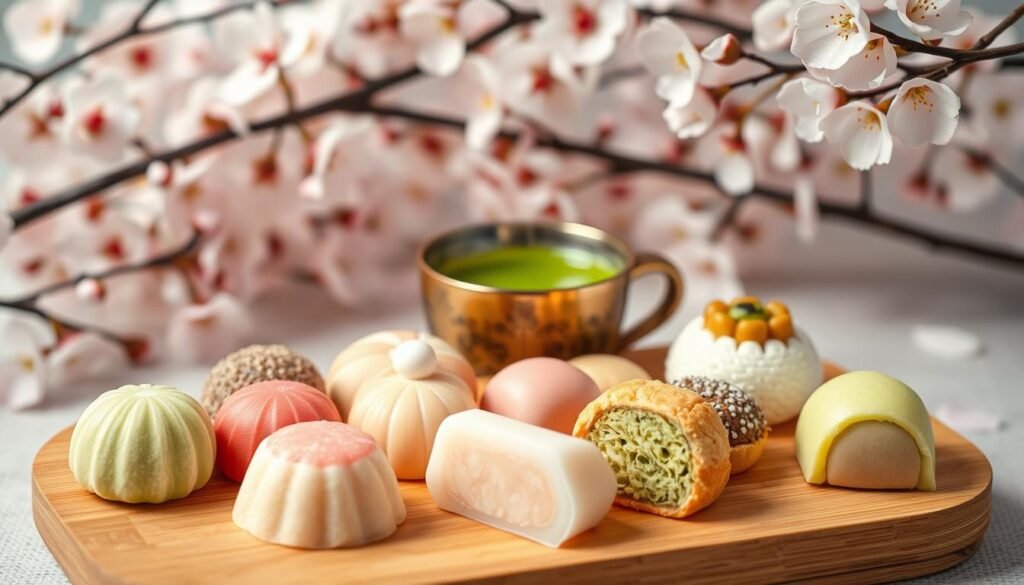
Exploring traditional Asian desserts, Japanese sweets stand out. They are known for their exquisite flavors and stunning presentations. Wagashi, Japanese sweets, are more than treats. They are an art form that captures centuries of culinary tradition.
Mochi is a must-try. These soft, chewy rice cakes come in many varieties. From sweet red bean-filled to ice cream-centered, each offers a unique texture. They melt in your mouth, showing the skill of Japanese dessert makers.
Matcha-flavored treats are another highlight. Green tea-infused desserts like dorayaki and matcha parfaits show tea’s deep role in Japanese cuisine. The subtle bitterness of matcha mixed with sweet ingredients creates a complex flavor that will surprise and delight you.
Try these amazing Japanese desserts at festivals, tea ceremonies, or as a snack. They are more than food. They are a window into Japan’s rich culinary heritage and artistic expression through sweets.
Chinese Sweet Treats That Will Delight Your Taste Buds
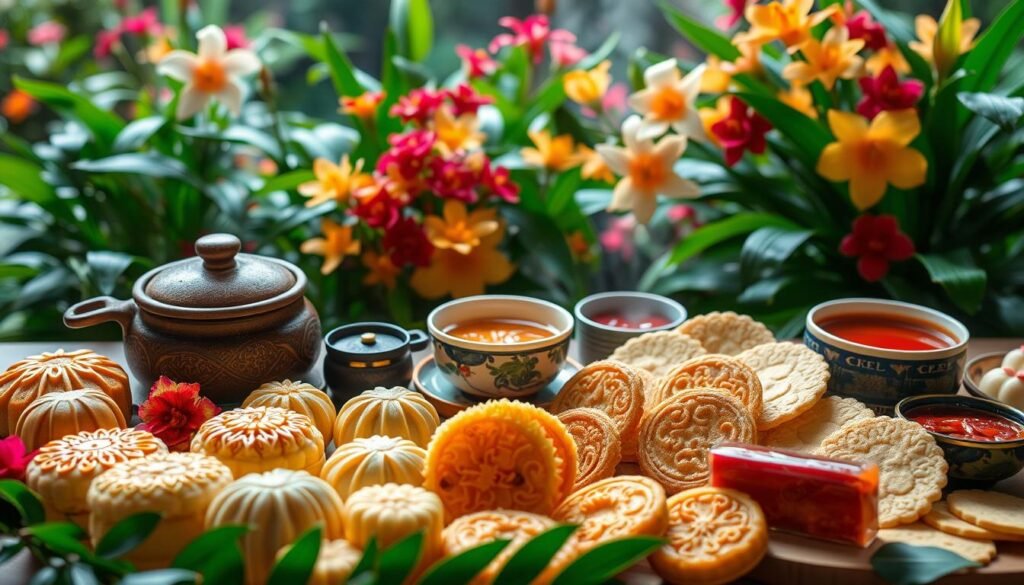
Explore the world of Chinese sweets and start a journey that will excite your taste buds. Asian desserts are more than just sweets. They show centuries of tradition and creativity from different regions.
Egg tarts are a great example of Chinese dessert skill. They come from Macau and have a creamy filling in a flaky crust. This mix of soft and crunchy makes them a favorite everywhere.
Mooncakes are another key Chinese dessert with a rich history. They’re eaten during the Mid-Autumn Festival, symbolizing family and harmony. Filled with lotus seed or red bean paste, they highlight Asian flavors.
Tangyuan, or glutinous rice balls in sweet broth, offer a special taste and feel. Enjoyed at the Lantern Festival, they celebrate family and joy. Their softness and warm filling are a treat for dessert lovers.
Every Chinese dessert has a story of culture and tradition. It turns simple ingredients into amazing dishes. Your adventure into Chinese sweets will be a journey of taste, tradition, and creativity.
Korean Desserts: A Perfect Blend of Traditional and Modern
Want to Cook Delicious Plant-Based Meals From Scratch But Have No Idea Where To Start?
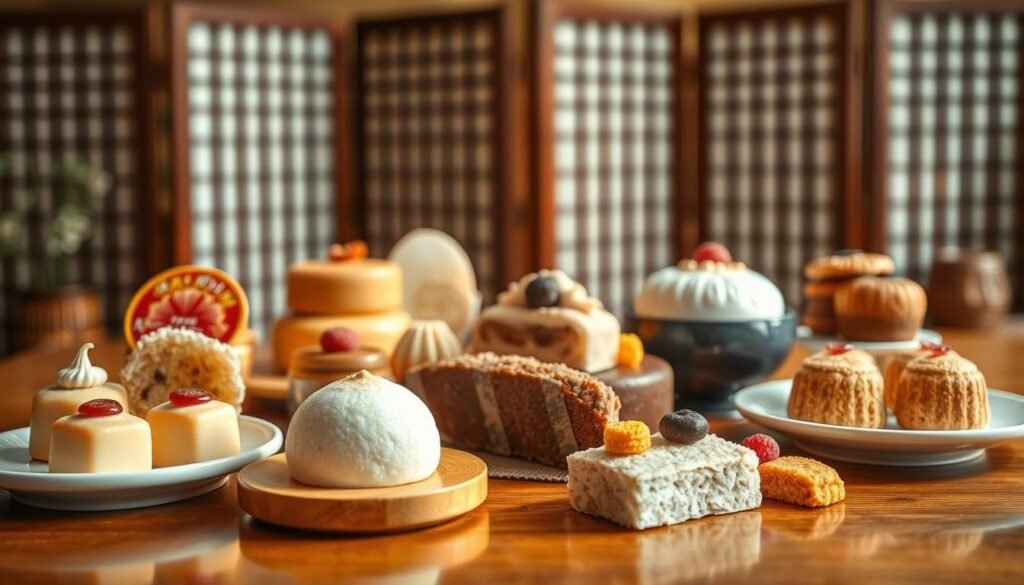
Explore Korean desserts, where old traditions meet new flavors. These sweets take you on a journey of exotic tastes. They challenge what you think about food.
Bingsu is a key Korean dessert that shows this mix. It’s shaved ice with sweet toppings like red bean paste and fresh fruits. It’s a refreshing treat that’s both familiar and unique.
Hotteok is another treat that shows Korean dessert magic. These warm pancakes are filled with brown sugar, honey, and nuts. They offer a taste of Korean street food and tradition.
Modern Korean pastry chefs are making classic desserts new again. They create stunning desserts that blend old techniques with modern looks. Your adventures will show how Korean sweets are loved around the world.
If you love desserts or just want to try something new, Korean sweets are a must. They offer a unique taste experience that connects old traditions with new flavors.
Southeast Asian Desserts You Need to Try
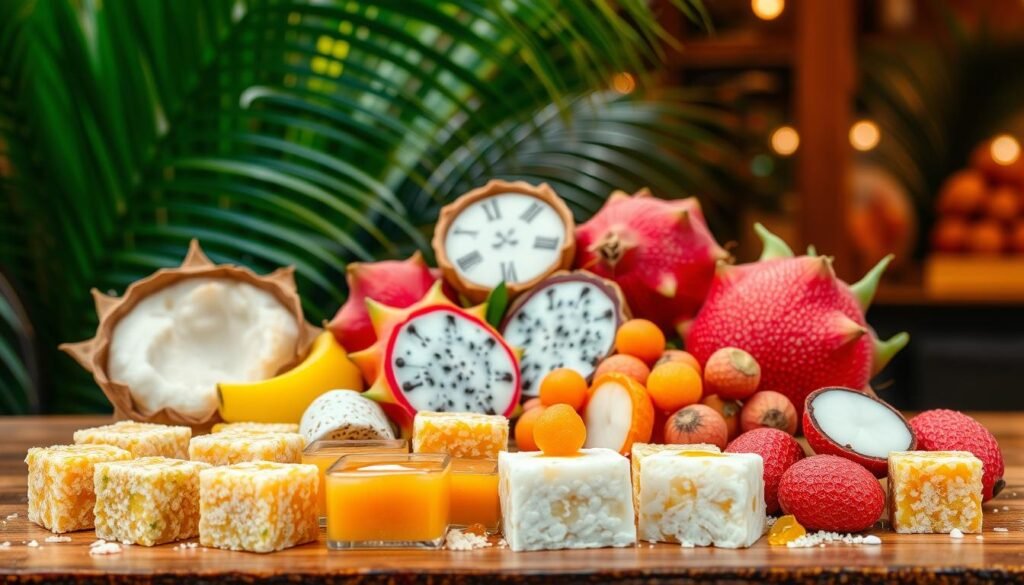
Exploring Southeast Asian desserts is a flavorful journey. These treats mix sweet and unique flavors from different regions. They will surely excite your taste buds.
Thailand is famous for mango sticky rice. It’s a perfect mix of sweet rice and ripe mango. Malaysia offers a wide variety of desserts, like kuih. These traditional cakes are made with coconut and have beautiful designs.
In Indonesia, es campur is a refreshing treat. It combines shaved ice, tropical fruits, and sweet syrups. Pandan leaves add a green color and unique flavor to many desserts.
Every country’s desserts tell a story of culture and local ingredients. You’ll find creamy coconut puddings and delicate rice flour sweets. These desserts offer a memorable experience that’s more than just sweet.
These desserts celebrate local traditions and connect us to culinary history. Whether you love food or are just curious, these treats are an exciting adventure.
The Art of Thai Dessert Making
Thai desserts are a feast for the eyes and taste buds. They show off a world of flavors, colors, and traditions. Every dessert is a story of culture and skill.
Thai desserts use special ingredients like coconut milk and sticky rice. These ingredients mix to create amazing tastes. Techniques like steaming and caramelizing show the skill of Thai chefs.
Desserts like mango sticky rice and khanom chan are true works of art. Chefs pay close attention to texture and taste. The desserts are colorful and beautifully designed, showing Thailand’s rich traditions.
Exploring Thai sweets is a fun adventure for anyone who loves desserts. Each bite shows the love and creativity in Thai desserts. It’s a journey into a world of sweet wonders.
Vietnamese Sweet Treats: Hidden Gems of Asian Cuisine
Vietnamese sweets are a must-try for any food lover. They mix French and local flavors in unique ways. This creates desserts that are both surprising and delightful.
Che is a favorite Vietnamese dessert. It’s a sweet, refreshing treat with many variations. You’ll find it made with coconut milk, beans, and tropical fruits. Each bite feels like a trip to Hanoi or Ho Chi Minh City.
Banh troi nuoc is another standout dessert. It’s glutinous rice balls filled with mung bean paste, served in warm ginger syrup. The combination of textures and flavors is truly special.
Ca phe trung, or Vietnamese egg coffee, is a drink that feels like a dessert. It’s a mix of strong coffee and whipped egg yolks. This drink is a luxurious treat that challenges what we think of as desserts.
Exploring Vietnamese sweets opens up a world of new tastes and textures. These desserts show the creativity of Vietnamese cuisine. They invite us to try something new and exciting.
Where to Find Authentic Asian Desserts in America
Exploring Asian cuisine in the United States is thrilling. Cities like San Francisco, New York, and Los Angeles are great for this. You’ll find authentic Asian dessert shops in areas with rich Asian cultures.
Begin your search in Chinatowns and Japanese districts. These places have bakeries that offer real Asian treats. Seattle, Chicago, and Houston also have amazing spots for Asian desserts. Look for shops that specialize in sweets from Japan, China, Korea, and Southeast Asia.
When looking for authentic desserts, find restaurants with chefs from Asia. Asian markets and specialty stores have bakery sections with traditional sweets. Use Yelp and Google Maps to find hidden dessert spots near you.
Pro tip: Ask the staff about the desserts’ origins and how they’re made. Shops that are truly authentic will be eager to share their cultural recipes and ingredients. Your adventure into the world of Asian sweets is just beginning!
Making Traditional Asian Desserts at Home
Exploring Asian desserts can turn your kitchen into a fun adventure. Making authentic recipes at home lets you enjoy the rich flavors and traditions of Asian sweets. You don’t have to leave your house to do it.
First, find unique ingredients at local Asian grocery stores or specialty markets. You’ll need glutinous rice flour, matcha powder, and coconut milk for many Asian desserts. These ingredients are vital for making real Asian sweets.
Start with easy recipes like Japanese mochi or Filipino bibingka. These desserts are great for beginners and introduce new tastes. Watch videos, read cookbooks, and be patient. Every try gets you closer to being a pro at making Asian desserts.
Finding authentic ingredients might seem hard, but it’s easier than you think. Online stores and specialty shops have what you need. Asian grocery stores have hard-to-find items that make your desserts amazing. Remember, cooking is about having fun and learning.
Your kitchen can be a doorway to many Asian culinary traditions. With practice, creativity, and passion, you’ll make desserts as good as those in traditional bakeries.
Conclusion
Your journey into traditional Asian desserts has shown you a world of flavors. These treats are more than just sweets. They are stories passed down through generations, keeping culinary traditions alive.
From Japan’s mochi to Vietnam’s che, each dessert tells a unique story. They reflect regional traditions and family recipes. These stories are woven into every bite.
Asian desserts offer a wide range of flavors that can change how you see sweets. Whether trying street food in Bangkok or making a Chinese moon cake, these desserts will broaden your taste and cultural understanding. Each dessert is a journey of flavors and techniques.
Exploring these desserts is about more than just taste. It’s about connecting with others. Try visiting local Asian bakeries, attending cultural food festivals, or making your own desserts. This way, you can create lasting memories and bridge cultures through food.
We encourage you to share your experiences with Asian desserts. Every journey into new flavors starts with curiosity. Your culinary adventure is just starting!
Want to Cook Delicious Plant-Based Meals From Scratch But Have No Idea Where To Start?