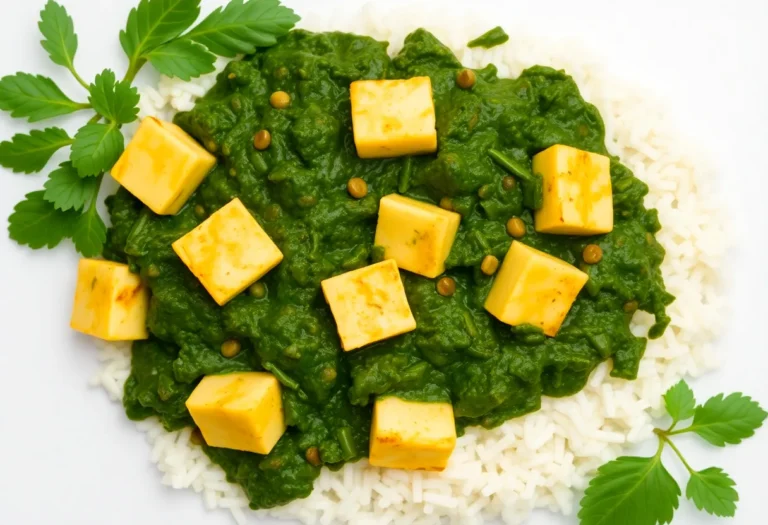
The Perfect Indian Veg Meal Blueprint
Ever thought about making a restaurant-quality Indian vegetarian meal at home? It’s not just cooking; it’s diving into a culinary tradition that’s thousands of years old.
Indian cuisine is a world of flavors, textures, and smells that can elevate your home cooking. From South India’s bright spices to the North’s rich dishes, a vegetarian meal can be both healthy and fulfilling.
This guide will show you how to make an authentic Indian vegetarian meal. Whether you’re new to cooking or a pro, you’ll learn the secrets to a meal that celebrates Indian cuisine’s amazing variety.
Key Takeaways
- Discover the rich traditions of Indian vegetarian cooking
- Learn how to balance flavors and spices expertly
- Understand the regional diversity of Indian vegetarian cuisine
- Master techniques for creating authentic vegetarian dishes
- Explore the nutritional benefits of plant-based Indian meals
Understanding the Fundamentals of Indian Vegetarian Cuisine
Want to Cook Delicious Plant-Based Meals From Scratch But Have No Idea Where To Start?
Indian vegetarian cuisine is a colorful mix of flavors and nutrition. It celebrates vegetarian proteins and regional dishes that are all unique. From the north to the south, simple ingredients become amazing meals.
Indian spices make vegetarian dishes truly special. Turmeric, cumin, cardamom, and coriander create deep flavors. These spices not only taste great but also boost your health.
Vegetarian proteins are key in Indian cooking. Lentils, chickpeas, beans, and paneer offer lots of nutrition and versatility. Each region has its own way of using these proteins. In the north, you might enjoy creamy dal makhani. The south is famous for crispy dosas with spiced potatoes.
Regional differences show the depth of Indian vegetarian cooking. The cuisine changes a lot as you move across states. Coastal areas have seafood-inspired dishes, while mountains have warm, hearty meals. Knowing these differences helps you enjoy India’s rich food culture.
Essential Kitchen Tools for Creating Your Indian Meal
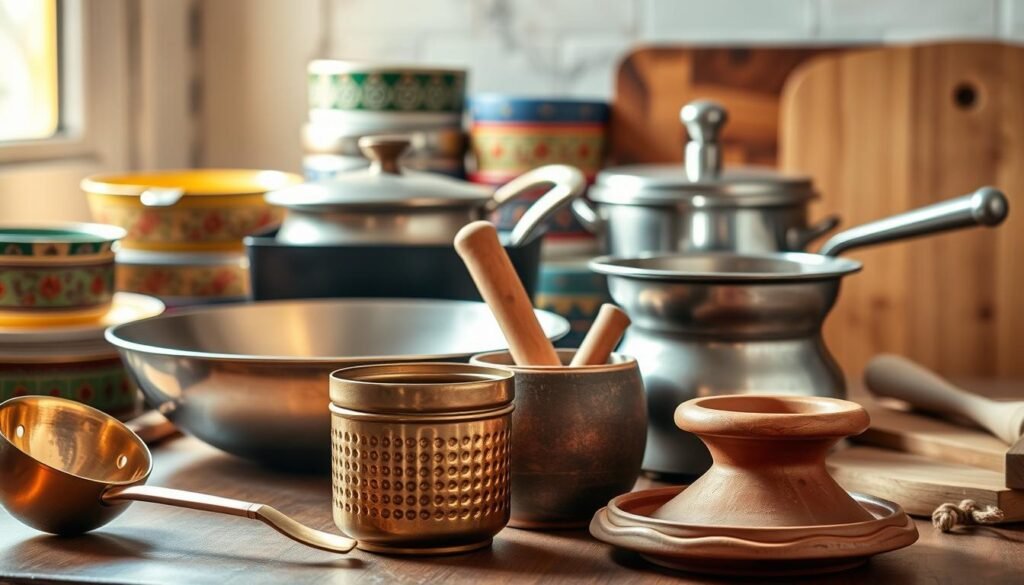
Starting to make authentic Indian food begins with the right tools. A good spice grinder is key for turning whole spices into fresh, aromatic powders. This makes every dish better. Choose a grinder that can handle cumin seeds to dried chili peppers.
The pressure cooker is a must-have for Indian cooking. It saves time and makes cooking easier. You can make tender dal, perfectly cooked rice, and complex curries with less effort. Modern pressure cookers have settings that make cooking Indian food easy.
Traditional Indian kitchens use special tools like the tava (flat griddle) and the kadai (deep cooking pot). While you don’t need to replace all your cookware, a few key pieces can change your cooking. They help you make more authentic meals.
For those who love modern kitchen tools, there are multi-purpose options. Look for high-quality stainless steel utensils that can handle Indian spices and cooking techniques. Investing in the right tools means you can make delicious, restaurant-quality meals at home.
The Perfect Indian Veg Meal Blueprint
Want to Cook Delicious Plant-Based Meals From Scratch But Have No Idea Where To Start?
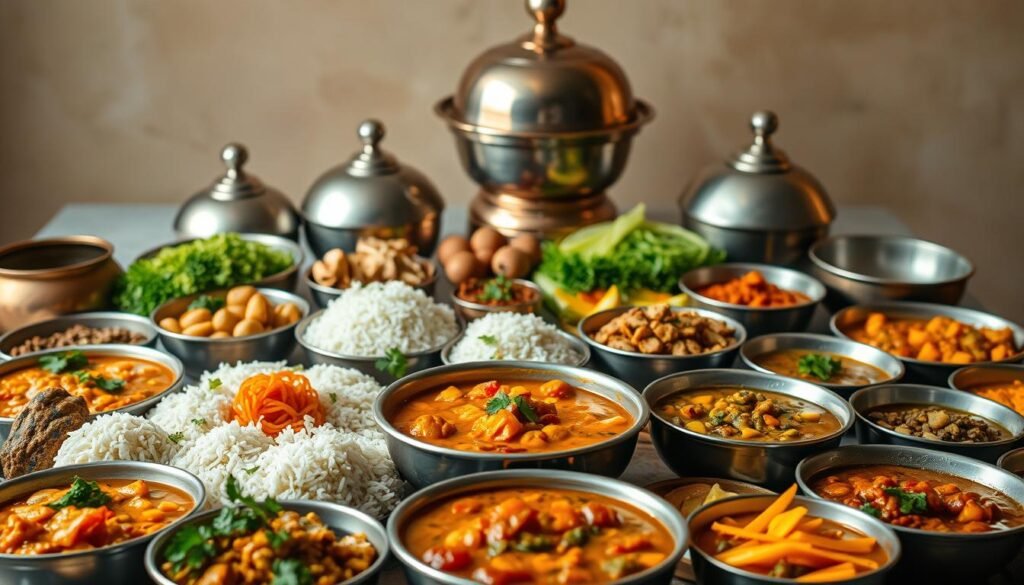
Creating a balanced Indian diet is more than just mixing ingredients. It needs careful planning and knowing what nutrients you need. Start your vegetarian journey by making a plate that has different food groups and tastes.
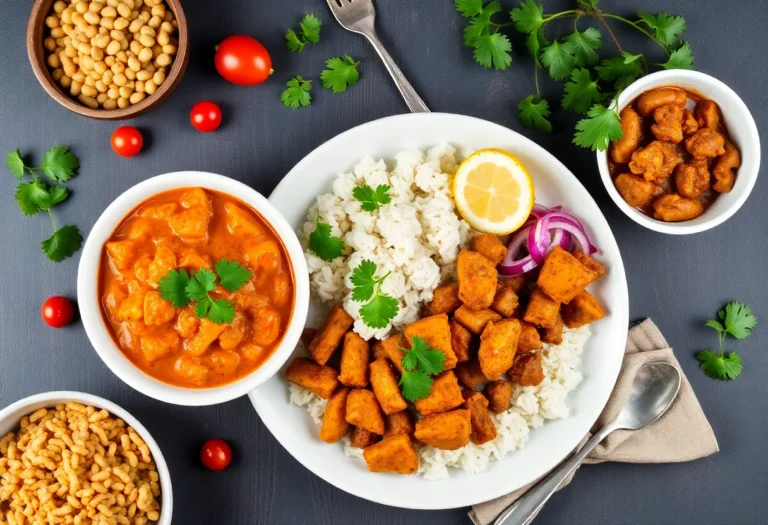
The traditional Indian thali is the best guide for a perfect veg meal. It’s a platter that brings together various tastes, textures, and nutrients. Your plate should have lentils for protein, colorful veggies, whole grains, and healthy fats. Think of dal, sabzi, rice, and a bit of yogurt or raita.
When planning your meals, aim for variety. Switch up your protein sources like legumes, paneer, and nuts. Choose seasonal veggies for the best nutrients. Mix raw and cooked foods to keep your meals balanced.
Your veg nutrition plan should change with your life. Lunch on a weekday might differ from dinner on the weekend. Being flexible lets you keep your meals healthy and tasty.
With careful planning, an Indian veg diet can give you all the nutrients you need. You’ll make meals that are not only delicious but also good for your health.
Starting Right: Appetizers and Snacks
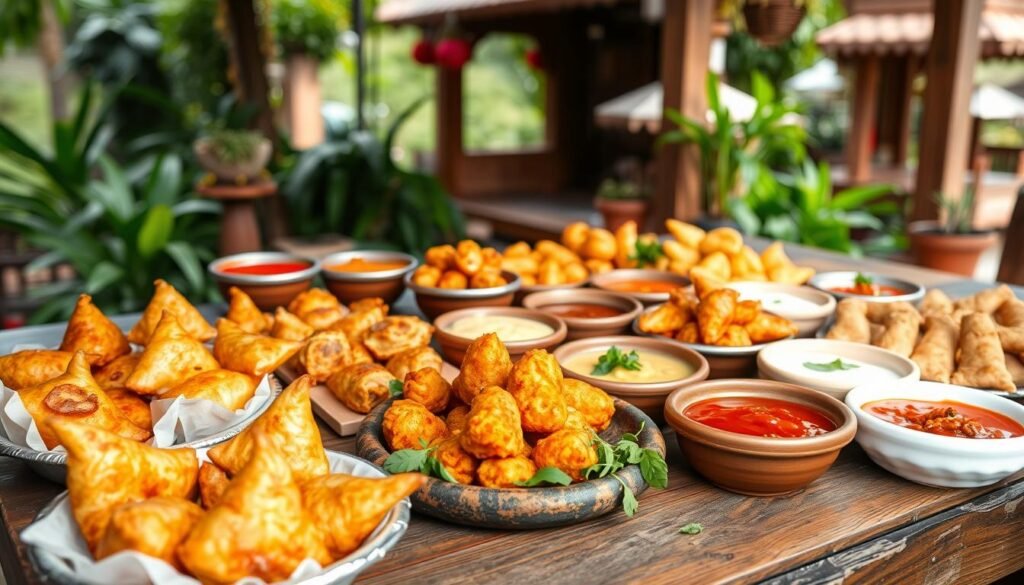
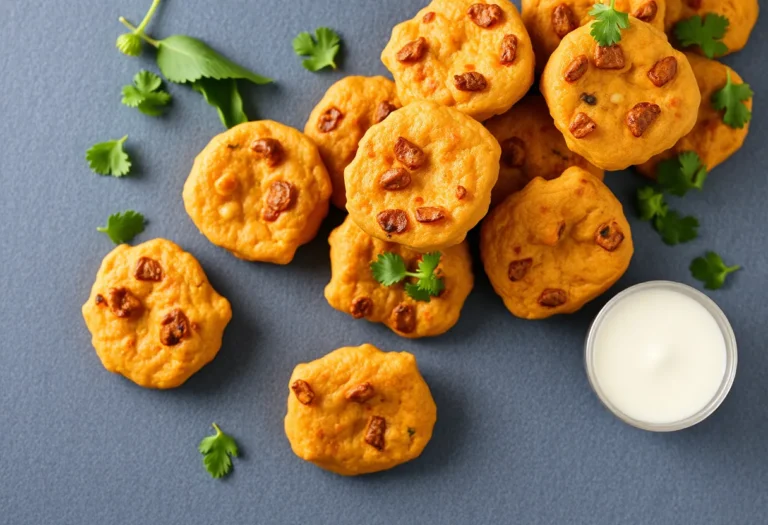
Ready to explore Indian cuisine? Start with appetizers and vegetarian snacks. Pakoras are a favorite, with their crispy and flavorful taste.
These snacks are easy to make at home. Imagine making crispy vegetable fritters with chickpea flour, spices, and your favorite veggies. Try using spinach, onions, or potatoes to make your own pakora recipe.
There’s more to try than just pakoras. You’ll love samosas and bhel puri too. Samosas are pastries filled with spiced potatoes and peas. Bhel puri is a tangy, crunchy snack.
Pro tip: Serve these snacks with mint chutney or tamarind sauce. It adds an authentic touch. Your guests will be amazed by your skills and the flavors of these traditional snacks.
The Heart of the Meal: Main Course Selection
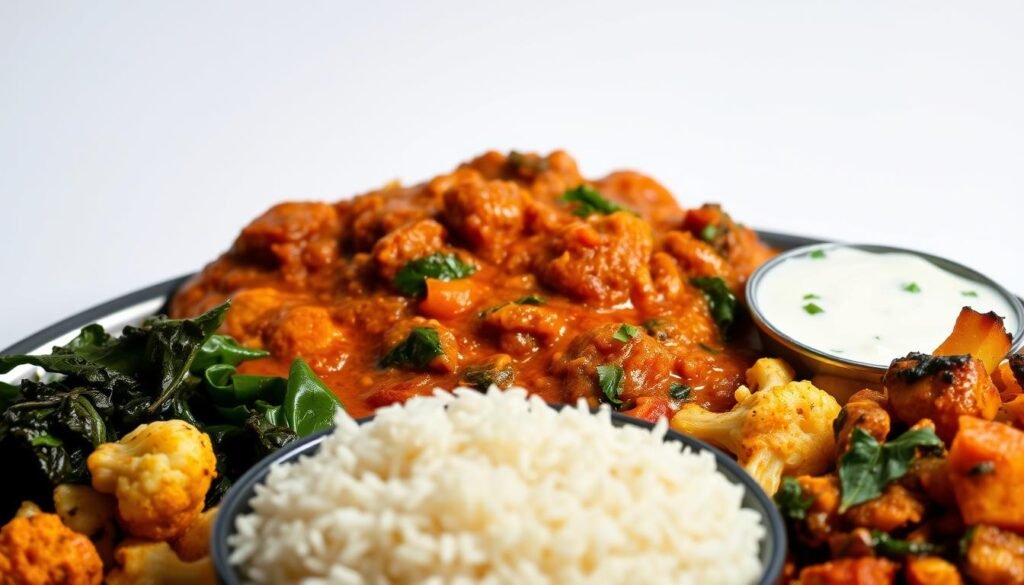
Indian cuisine shines in the main course. Your vegetarian curry can turn a simple meal into a memorable experience. Sabzi recipes are the heart of Indian dishes, blending spices, textures, and nutrition.
Paneer-based curries are a hit. They mix creamy cheese with rich gravy, making your meal special. Palak paneer and kadai paneer are just a few examples, each with its own story.
Lentil-based dals are another great choice. These dishes are full of flavor and good for you. Try dal makhani, yellow dal, or green moong dal for different tastes.
Dry vegetable sabzi recipes are a lighter option. They let spices shine by using little liquid. Aloo gobi, bhindi masala, and baingan bharta are tasty and easy to make.
Getting the spice balance right is important. Start with simple spice mixes and then try new things. This way, you can make your own unique curry dishes.
Complementary Side Dishes and Accompaniments
No Indian vegetarian meal is complete without a variety of side dishes and accompaniments. These add-ons turn a simple meal into a memorable experience. They bring balance, texture, and extra flavors that match your main dish.
Raita recipes are perfect for cooling down spicy foods. These yogurt-based sides are refreshing and soothing. You can make a simple cucumber raita or try something different like beetroot or mint raita. Each one adds a unique flavor to your meal.
Homemade pickles are key in traditional Indian cuisine. They add a tangy and spicy kick to your food. Making your own pickles lets you choose the flavor and ingredients. Favorites include mango pickle, lime pickle, and mixed vegetable pickle.
Don’t overlook crispy papads and crunchy sides for texture. They offer a nice contrast to softer dishes. With these choices, your Indian meal becomes a feast for all your senses.
The Art of Indian Bread Making
Learning to make Indian bread is a big step up for home cooks. It’s a way to add something special to your meals. Whether you’re new to cooking or have experience, making homemade naan and other breads can change your kitchen game.
Begin with the basics of making roti. These simple flatbreads need just a few ingredients: whole wheat flour, water, and salt. The trick is in rolling and cooking them right. You want to make thin, round breads that puff up when cooked.
Naan bread is the next challenge. It’s soft and pillowy, thanks to yogurt and yeast. You can make plain naan or try stuffed versions for a fun twist. Even without a tandoor oven, a regular oven or skillet can make great naan at home.
Getting better at bread-making takes practice. Start with easy recipes and then try harder ones. Soon, your homemade naan and rotis will be as good as those in Indian restaurants. You’ll enjoy authentic flavors right at home.
Crafting the Perfect Rice Dishes
Rice is a key player in Indian cuisine, turning simple ingredients into amazing dishes. Your adventure in Indian rice dishes starts with learning to make fluffy, tasty grains. These grains are perfect for vegetarian meals.
Learning to make biryani recipes takes patience and skill. These aromatic meals mix fragrant basmati rice with spices, vegetables, and herbs. Each region in India has its own special pulao variations, using local ingredients and cooking methods.
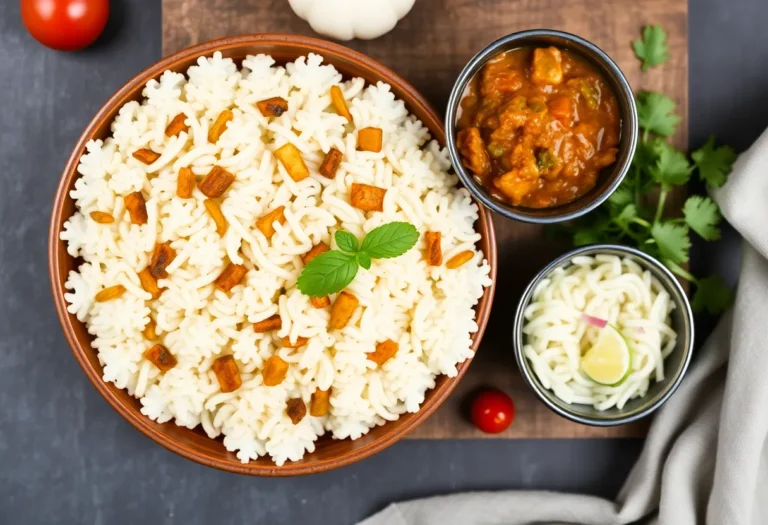
Begin with basic steps like toasting whole spices before adding rice. Try making cumin rice or lemon rice to get started. These dishes are great for beginners. They teach you how to balance spices, control moisture, and make grains that are light and separate.
Vegetable pulao is a quick and easy meal for busy weeknights. It mixes seasonal veggies with rice and a few spices. This makes a healthy dish that’s both filling and true to Indian flavors. Try different veggies to find your favorite mix.
Getting tips from pros can really improve your rice cooking. Soak basmati rice before cooking, use a heavy pot, and let the rice rest after cooking. With practice, you’ll make rice dishes that wow your family and friends.
Essential Condiments and Chutneys
Discover the secret to authentic Indian cuisine with vibrant Indian chutneys and homemade spice blends. These condiments turn simple meals into unforgettable experiences. Every Indian dish comes to life with the right mix of fresh and tangy chutneys.
Begin with mint-coriander chutney, a refreshing blend that brightens any meal. Tamarind chutney adds a sweet and sour kick to grilled veggies and street snacks. Making these chutneys at home lets you control the flavors and freshness.
Homemade spice blends are key to Indian cooking. Learn to make garam masala, a complex spice mix that enriches curries and rice. Chaat masala adds a tangy, zesty flavor to salads and street food. These spice blends will elevate your cooking and wow your guests.
Storing your homemade condiments is easy. Most chutneys keep in the fridge for up to a week. Dry spice blends can last months in airtight containers. Try different ingredients to create your unique flavors and make every meal special.
Conclusion
Your journey into Indian vegetarian cooking has started. You’ve learned about meal planning and making delicious dishes. These dishes celebrate the rich diversity of Indian cuisine.
Now, you know how to balance flavors and create nutritious meals. Each recipe and technique is a step in your culinary journey. You’ve learned to mix ingredients, spices, and cooking methods that make Indian vegetarian food special.
Your kitchen is now a place where you can create and express yourself. Cooking is a never-ending learning process. Start with the basics, but feel free to try new things and adjust recipes to your liking.
The beauty of Indian vegetarian cuisine is its flexibility. It can turn simple ingredients into amazing meals that please the senses and are good for you. As you keep exploring and practicing, you’ll get better at understanding flavors, textures, and cooking techniques.
Your culinary journey is just starting. Every meal is a chance to enjoy the incredible depth and richness of this beloved cuisine.
Want to Cook Delicious Plant-Based Meals From Scratch But Have No Idea Where To Start?