Healthy Homemade Snacks
A snack can do more than tide you over until dinner. With a few everyday ingredients, you can put together something filling, like apple slices with peanut butter or yogurt with oats and berries. Homemade snacks also let you choose the portions and ingredients, so you know exactly what’s in the bowl or lunchbox.
Key Takeaways:
- Pair protein or healthy fats with fiber for a snack that’s more satisfying, like apple slices with peanut butter or hummus with carrots.
- Homemade snacks don’t need fancy ingredients: yogurt with berries, roasted chickpeas, and oatmeal energy bites are easy options to make at home.
- Prep a few grab-and-go choices ahead of time, such as washed fruit or portioned nuts, so a wholesome snack is ready when hunger hits.
What Makes a Snack Healthy, Anyway?
A healthy snack does more than quiet a rumbling stomach. It gives you useful nutrients and enough staying power to carry you to your next meal, without making flavor an afterthought. A piece of fruit can be refreshing, for example, but pairing it with something more filling may suit you better on a long afternoon.
Think of balance as a flexible guide, not a strict formula. Your appetite, schedule, and activity all shape what feels satisfying. If you’re eating between meetings, you may want something easy to hold; after a walk, a more substantial bite might hit the spot. The aim is a snack that tastes good and leaves you comfortably fueled.
The basics: fiber, protein, and healthy fats
Fiber, protein, and healthy fats each bring something different to a snack. Fiber adds bulk and can help you feel full, while protein supports your body’s everyday maintenance and tends to make a small bite more satisfying. Healthy fats add richness and help a snack feel less like a placeholder. Put two or three of these qualities together, and you’ll often get more staying power than you would from a sweet or salty bite on its own.
For a simple mental check, ask whether your snack has at least one filling element and whether it’ll keep you going until your next meal. A bowl of berries has fiber, but you might still feel hungry soon; adding a protein rich or fat rich partner can make it more substantial. Your portions don’t need to be exact. Let your hunger and the time until your next meal guide you.
Ingredients to use more often
Some ingredients make it easy to build snacks with a satisfying mix of texture and nutrition. Beans and lentils offer fiber and protein; oats bring fiber; and plain yogurt provides protein. Nuts and seeds contribute healthy fats, while fruits and vegetables add fiber, water, and freshness. You don’t need every quality in every snack. A couple of well matched ingredients can be enough to make a quick bite feel more complete.
Keep variety in mind, too. A crisp apple, creamy yogurt, and crunchy pumpkin seeds feel different from soft oats with banana, even though both combinations can be filling. Choose flavors you genuinely enjoy, and consider how the snack fits your day. If you’ll be away from home, something sturdy may be easier to carry than cut fruit. A useful check is whether you’d be happy to eat it on an ordinary Tuesday.
- Pair crisp textures with creamy ones.
- Keep a washable container handy for snacks on the go.
- Choose unsweetened options when you want to control added sugar.
- Season savory snacks with herbs, citrus, or spices.
My Go-To Ingredients for Homemade Snacks
A well-stocked kitchen gives you choices on busy afternoons, without requiring a special shopping trip for every craving. Keep a mix of dependable pantry basics and fresh foods on hand, and you can reach for ingredients that suit the day, the season, and what’s already in your fridge.
You don’t need a long shopping list. A few versatile staples, plus produce you actually enjoy eating, are a practical place to start.
Pantry staples worth keeping around
Oats, nut or seed butter, canned beans, whole grain crackers, and unsalted nuts are useful basics because they’re easy to store and turn up in plenty of everyday snack ideas. Choose plain versions where you can, so you control added sugar and salt. Rolled oats keep well in a sealed container, while a jar of peanut butter or tahini can wait in the cupboard for days when fresh options are running low.
For extra variety, keep raisins or other dried fruit, popcorn kernels, and a few tins of chickpeas or white beans nearby. Check labels for short ingredient lists, and buy only what you’ll use before it goes stale. A small jar of pumpkin seeds can add a different crunch than almonds, while low sodium crackers make a handy option for a desk drawer.
| Pantry staple | What to look for | Storage spot |
|---|---|---|
| Rolled oats | Plain, with no added sugar | Sealed cupboard container |
| Nut or seed butter | Short ingredient list | As directed on the label |
| Canned beans | Low sodium, if available | Cool, dry cupboard |
| Nuts and seeds | Unsalted or lightly salted | Airtight container |
Fresh picks that make snacks pop
Apples, bananas, citrus, and pears are reliable choices because they’re easy to find and need little preparation. Pick fruit at different stages of ripeness: firmer pears can last a while, while a ripe banana is ready to use today. Berries are lovely when they’re in season, but frozen berries can be a practical backup for smoothies or a bowl of yogurt.
For crisp, savory options, keep carrots, cucumbers, bell peppers, or snap peas in the fridge. Buy produce you’ll happily eat raw, not just what sounds good on a shopping list. A bunch of parsley or a lemon can add fresh flavor to plain ingredients, and washed grapes make an easy grab from the refrigerator. Store delicate herbs loosely wrapped, and keep cut vegetables in a covered container so they’re ready when you are.
How to Put Together Snacks That Actually Satisfy
A satisfying snack comes together more easily when you think in combinations, not single ingredients. Start with something that brings staying power, then add a contrasting taste or texture so each bite feels complete. A few spoonfuls of cottage cheese with crisp apple slices, for example, give you creamy, sweet, and crunchy in one go.
You can keep the process simple: choose a base, add a partner, and finish with a small accent. That might mean whole grain toast, mashed avocado, and a squeeze of lemon, or plain yogurt with fruit and seeds. Once you get the hang of mixing and matching, you can build a snack from what’s already in your kitchen.
Pairing flavors and textures
Good pairings give your palate a little contrast. Combine creamy hummus with crunchy carrots, or sweet pear with sharp cheddar; the change in texture and flavor makes a modest portion feel more interesting. You don’t need a long ingredient list. Two or three well-chosen foods often do the job, especially when one is savory and another brings a touch of sweetness.
For a quick check, look at your bowl or plate before you eat: is everything soft, or is every bite sweet? Add a crisp element such as cucumber, toasted oats, or pumpkin seeds, or balance fruit with a savory bite of cheese. A pinch of cinnamon can round out yogurt and banana, while a few olives can give mild whole grain crackers a salty edge.
Making portions that hold you over
Build portions around what you’ll be doing next. If lunch is still a while off, pair a piece of fruit with peanut butter or have a small bowl of yogurt topped with oats, rather than relying on a few crackers alone. The protein and fiber in those combinations can make them more filling than a snack made mostly of refined grains.
Serve your snack in a bowl or on a plate instead of eating straight from a large package; it’s easier to notice how much you’ve chosen. For a portable option, pack a boiled egg with whole grain crackers, or portion trail mix into a small container before heading out. Try one of these simple checks:
- Pair fruit with a protein-rich food.
- Add a fiber-rich ingredient, such as oats or beans.
- Pack dips in a leakproof container.
- Keep crunchy toppings separate until you eat.
Healthy Homemade Snacks I Honestly Make on Repeat
My repeat snacks are the ones you can make without turning an ordinary afternoon into a cooking project. A ripe banana, a handful of nuts, or a few crunchy vegetables can become something more satisfying with one or two simple additions. You don’t need a special recipe every time; matching a snack to the craving is often enough.
For a quick pick-me-up, I reach for fruit and a little richness. When I want crunch, I go for crisp vegetables, toasted chickpeas, or popcorn with a savory seasoning. The ideas below are easy to adjust by taste, too: add cinnamon for warmth, lemon for brightness, or a pinch of salt when a snack feels flat.
Sweet snacks for a little pick-me-up
When you want something sweet between meals, slice an apple and spread each wedge with peanut butter, then add a few raisins or a dusting of cinnamon. The mix of crisp fruit and creamy nut butter feels like a treat, but it takes about as long as making tea. A bowl of plain yogurt with berries and a spoonful of oats works well when you want something cool and soft. Frozen grapes are another easy option; keep a small container in the freezer and you’ve got a naturally sweet bite ready to grab.
For a more dessert-like snack, mash a ripe banana with cocoa powder and stir in chopped walnuts. It’s rich enough to feel satisfying, even in a small bowl. You can also pair dates with a few almonds when you’re craving a chewy, caramel-like bite. Keep the portions modest and savor them slowly; dried fruit is concentrated, so a couple of dates can go a long way.
Savory bites when you want something crunchy
Cut carrots, cucumber, or bell pepper into sticks and serve them with hummus for a crisp snack with a creamy dip. If you want something warm, toss rinsed chickpeas with olive oil, paprika, and a little salt, then roast until the outsides are crisp. Let them cool before packing them away, or steam can soften that crunch. A small bowl of air-popped popcorn also hits the spot; try black pepper, garlic powder, or nutritional yeast instead of reaching straight for a heavy buttery topping.
Rice cakes are handy when you want a crunchy base that takes almost no prep. Top one with cottage cheese and sliced tomato, then add cracked pepper, or spread on mashed avocado with a squeeze of lemon. For a simple salty bite, toast pumpkin seeds in a dry pan, stirring until they smell nutty and begin to pop. Keep an eye on them: they can go from toasted to scorched quickly.
| Craving | Snack | Quick finishing touch |
|---|---|---|
| Sweet and crisp | Apple wedges with peanut butter | Cinnamon or raisins |
| Cool and soft | Yogurt with berries and oats | Fresh or frozen fruit |
| Warm and crunchy | Roasted chickpeas | Paprika and a pinch of salt |
| Salty and crisp | Air-popped popcorn | Black pepper or garlic powder |
Need to Make Them Fit Your Diet?
A small ingredient swap can make a familiar snack work for you without changing its basic appeal. Think about what you need to avoid, what you enjoy eating, and which alternatives are easy to find at your usual grocery store.
Labels deserve a close read, especially on packaged add-ins such as chocolate chips, crackers, and plant-based yogurt. Ingredients and cross-contact warnings can vary by brand, so check the specific product rather than assuming it’s suitable based on its name.
Allergy-friendly and plant-based swaps
If you’re avoiding dairy, try unsweetened soy yogurt in a fruit bowl or use mashed avocado in place of cream cheese on toast. For a nut allergy, sunflower seed butter can stand in for peanut butter, while roasted chickpeas make a crunchy alternative to nut-based trail mix. Check the label on seed butters and packaged snacks, since some are made in facilities that also handle common allergens.
Plant-based snacks can still bring protein and staying power. Add edamame to a snack plate, stir hemp seeds into dairy-free yogurt, or pair hummus with sliced peppers. If you’re replacing eggs in a baked snack, mashed banana works well in soft muffins, though it adds sweetness and a mild banana flavor.
Lower-sugar and gluten-free options
To cut added sugar, choose plain yogurt and add fresh berries, cinnamon, or a spoonful of unsweetened applesauce. A ripe banana can sweeten oat bites, too, so you may need less honey or syrup than the recipe calls for. For a savory option, season popcorn with smoked paprika or garlic powder instead of reaching for a sweet coating.
For gluten-free snacks, use certified gluten-free oats and swap wheat crackers for rice cakes or corn tortillas. Naturally gluten-free choices like hard-boiled eggs, fruit, and vegetables with hummus need fewer recipe adjustments. If you have celiac disease, check labels for gluten-containing ingredients and cross-contact warnings, including on spice blends and flavored rice cakes.
- Keep a clean cutting board for allergy-conscious prep.
- Choose plain, unsalted seeds for easier seasoning.
- Use corn tortillas labeled gluten-free.
Make-Ahead Tips So Snacks Are Ready When You Are
A little prep on a quiet evening can save you from chopping fruit or hunting for a clean container when you’re already hungry. Pick a few tasks that fit your week, rather than trying to make every snack from scratch at once.
Keep an eye on moisture and temperature as you portion things out. A cut apple needs different care from a batch of oat bites, and a tightly sealed container can be your best friend for both.
What to prep ahead and how to store it
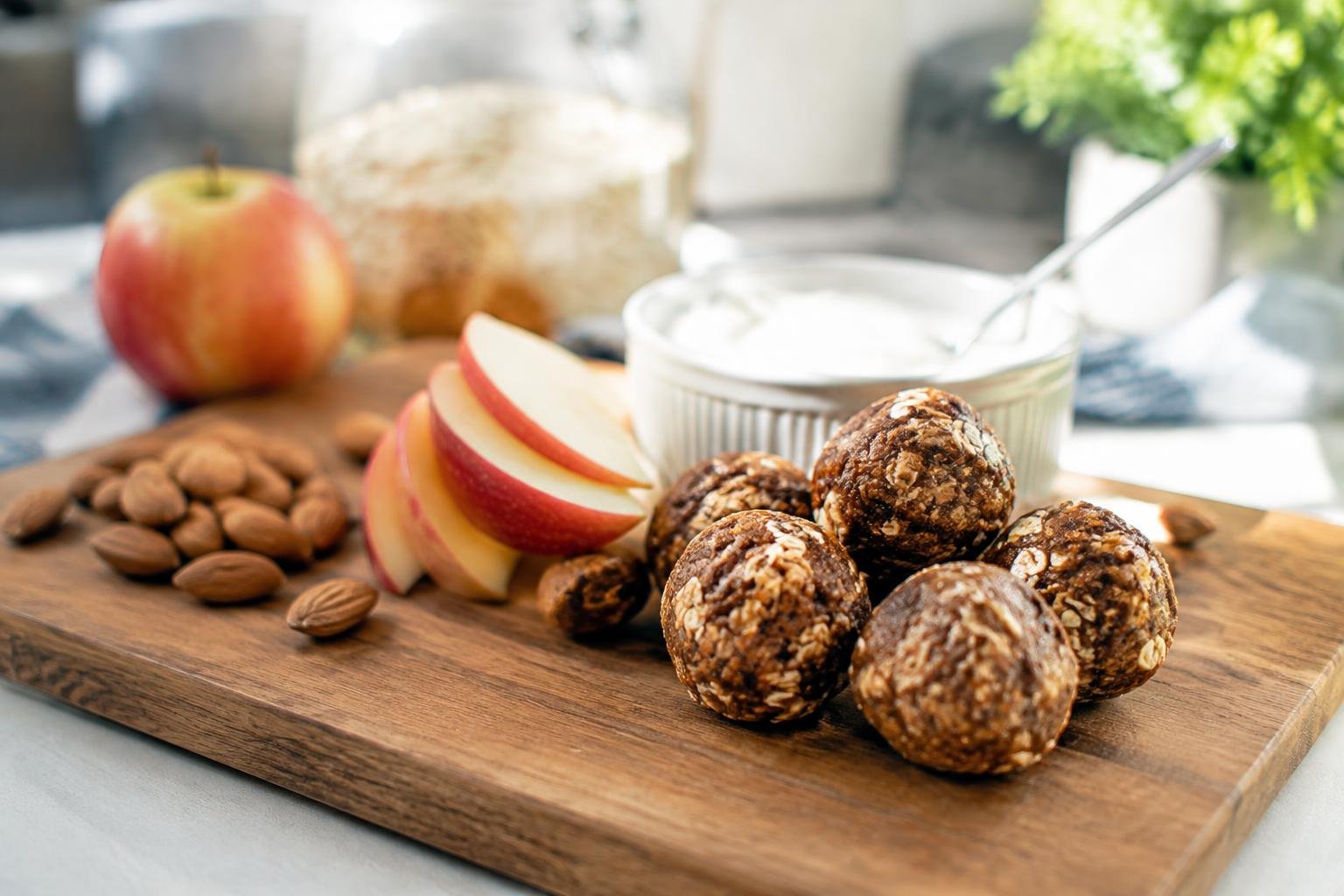
Start with components that hold up well: wash grapes, slice sturdy vegetables such as carrots, or mix a jar of trail mix for quick portions. Dry produce thoroughly before packing it, then refrigerate it in a sealed container with a paper towel to catch excess moisture. You can also make oat bites or roasted chickpeas in a batch; let them cool completely before storing so trapped steam doesn’t soften them.
Use clear containers so you can see what’s ready, and label anything that might be hard to identify later. Keep cut vegetables chilled, while dry snacks belong in an airtight container in a cool cupboard. If a recipe includes a dip, pack it separately rather than letting it sit against crisp vegetables.
| Snack prep | Where to store it | Freshness detail |
|---|---|---|
| Cut carrots | Refrigerator, sealed container | Dry well before packing |
| Oat bites | Airtight container | Cool completely first |
| Trail mix | Cool, dry cupboard | Portion into small containers |
| Vegetables and dip | Refrigerator, separate containers | Keep dip apart until serving |
Keeping grab-and-go snacks fresh
For snacks you’ll carry, choose containers that close firmly and won’t get crushed in a bag. A small jar works for yogurt or hummus, while a rigid box protects berries and sliced cucumber. Add an ice pack when a snack contains dairy, eggs, or cut produce and will be out of the fridge for a while.
Pack delicate items close to the time you leave if they bruise or release liquid easily. Keep crackers separate from cheese, and tuck a napkin around washed berries only after they’re fully dry. If you prepare several portions, rotate older containers to the front of the fridge and check for changes in smell, texture, or appearance before eating.


Summing up
Healthy homemade snacks don’t need fancy ingredients or a complicated plan. Pair something filling, like yogurt, hummus, or peanut butter, with fruit, vegetables, whole grain crackers, or oats, and you’ve got a snack that can carry you through the afternoon. A sliced apple with peanut butter takes minutes; a small container of hummus and carrot sticks is just as easy to pack. Choose foods you enjoy, and adjust portions to suit your appetite and the rest of your day.
A little prep can make those choices easier when you’re busy. Keep washed fruit in view, portion trail mix into containers, or make a batch of oat bites to store for later. You don’t have to make every snack from scratch, either; combining a few simple ingredients counts. Start with one option you’ll look forward to eating, then keep the ingredients handy. That’s a practical way to make satisfying snacks part of your routine.