Healthy Chicken for Fat Loss
Have you wondered whether your favorite dinner staple could slow your fitness progress? Many people seek magic foods, but simple choices often matter more.
Adding a dependable lean protein can control hunger and support your daily calorie budget. A 4-ounce serving of cooked, skinless breast has about 180–190 calories and 35 grams of muscle-building fuel.
This bird is not a miracle cure, but it gives meals a flexible foundation. With healthy chicken for fat loss, you can make satisfying dishes that please your taste buds and energize your body. Your total intake remains the most important factor in your journey.
Key Takeaways
- Focus on total daily calories rather than relying on a single food item.
- A 4-ounce serving provides roughly 35 grams of high-quality protein.
- Skinless breast is an efficient way to keep calorie counts low.
- Protein helps you feel full longer, which aids in appetite control.
- Variety in your seasonings keeps your diet sustainable and enjoyable.
Why Healthy Chicken for Fat Loss Works
Why does chicken stay popular with people focused on fat loss? It helps you feel full while meeting your body’s needs. Healthy chicken for fat loss gives muscles fuel to stay strong during a calorie deficit.
Protein is the most satisfying macronutrient, so it keeps you full longer. Choosing lean protein can reduce mindless snacking during the day. This simple change makes long-term health goals easier to follow.
When planning your menu, consider each food’s nutritional value. A standard 4-ounce serving of cooked chicken breast provides about 35 grams of protein. High protein chicken meals help you reach your targets without excess calories.
Compare your choices carefully. Heavily processed or fried chicken often contains hidden fats and sugars that can stall progress. Lean chicken recipes help you control ingredients and keep calories in check.
Your cooking method greatly changes a meal’s nutritional value. Grilling, baking, or poaching chicken keeps it light and supports your goals. Small cooking changes can produce big results over time.
Choose the Best Chicken Cuts for Your Calories
Not all chicken cuts have the same calorie count. Your goals can make some cuts better choices for your daily plan. Knowing these differences helps you enjoy meals while staying on track.
When you want fewer calories, skinless chicken breast is a smart choice. It is lean and provides lots of protein per serving. Therefore, chicken breast calories stay low compared with other chicken parts.
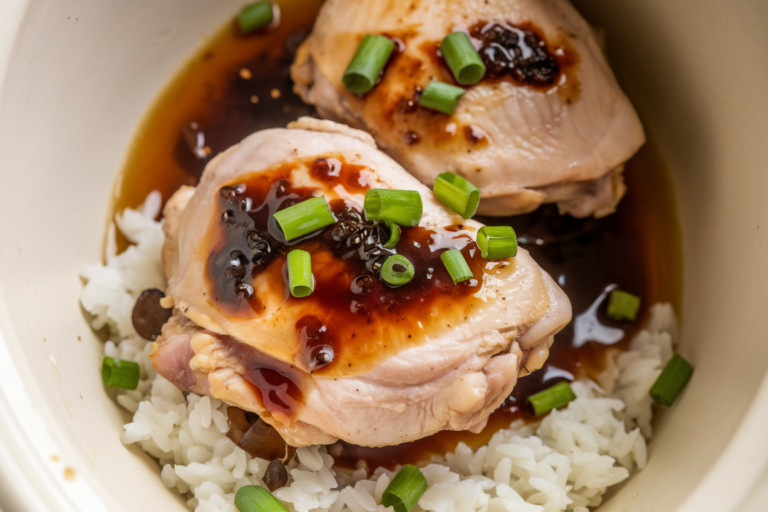
Choose dark meat chicken for more flavor and a tender texture. Thighs and drumsticks stay moist during cooking, making them popular choices. They contain more fat than breast meat but can fit a balanced diet with proper portions.
How Skin and Dark Meat Change the Nutrition
Chicken skin holds much of the fat in every cut. Removing it before or after cooking can greatly lower your meal’s calorie count. This easy step makes richer cuts easier to manage during weight loss.
Your final nutrition depends on more than the cut. Cooking method and serving size also affect the result. Balance your preferences with these facts to create delicious, satisfying meals that support your health goals.
Build a Fat-Loss-Friendly Chicken Plate
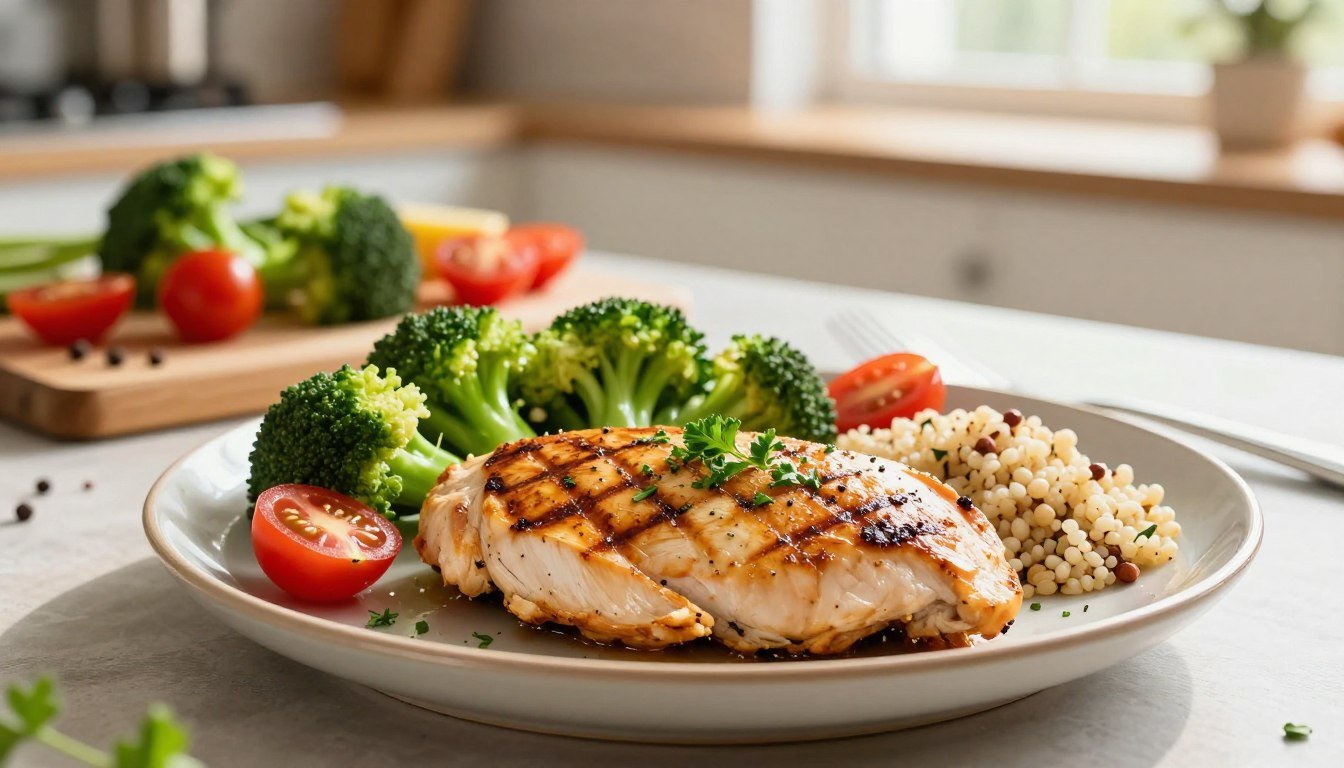
You do not need a kitchen scale to build a perfect plate of food. A balanced healthy chicken plate combines nutrients that keep you full and energized. Pair chicken with colorful vegetables, complex carbohydrates, and healthy fats instead of eating protein alone.
For a simple guide, use your hand to measure your chicken portion size. A palm-sized serving of cooked chicken usually equals about 3 to 4 ounces. This practical method helps when you are on the go or avoiding the hassle of weighing every ingredient.
For a balanced meal, fill about half your plate with non-starchy vegetables like broccoli, spinach, or peppers. They add volume and fiber without many calories. Use the remaining space for protein and carbohydrates, such as brown rice, sweet potatoes, or beans.
Remember, chicken breast calories can vary with meat preparation. These visual cues help you adjust your intake for daily hunger and specific fitness goals. This flexible approach makes it easier to follow your nutrition plan over time.
Smart Cooking Methods That Keep Chicken Lean
Learning how to cook chicken breast well can help you stay on track with your fitness goals. You can make moist, tasty meals without heavy, calorie-dense sauces. Many low calorie chicken recipes use simple methods to boost flavor while keeping fat low.
Grilling, baking, and air-frying cook protein with little added oil. For softer meat, poaching or a pressure cooker helps keep it tender. Sautéing in a non-stick pan with a light olive oil spray helps control your daily intake.
How to Prevent Dry Chicken Without Heavy Sauces
The main challenge with skinless chicken breast is avoiding a rubbery or dry texture. Pound the meat to an even thickness so it cooks evenly throughout. Moderate heat keeps the outside from burning before the inside reaches the proper temperature.
A quick marinade with citrus juice, herbs, or vinegar adds moisture and flavor without unnecessary calories. Always use a meat thermometer to reach the USDA safety target of 165°F. This tool prevents overcooking, the primary cause of dry, unappetizing poultry.
Let the meat rest for five minutes after cooking before slicing it. This lets the juices spread through the fibers, making every bite succulent. Master these steps, and skinless chicken breast becomes a versatile staple for your low calorie chicken recipes.
Flavorful Seasonings and Sauces That Fit Your Goals
The right pantry staples can turn plain chicken into a special meal. A high-quality healthy chicken seasoning adds flavor while supporting your weight loss goals. Fresh herbs, dried spices, and zesty citrus juices add strong flavor without many calories.
Try vinegar, spicy mustard, or hot sauce for a bold kick. Garlic and ginger add deep, aromatic flavors. For a creamy texture, choose yogurt-based sauces instead of heavy options to keep your dish light and satisfying.
When you include dark meat chicken, you can explore stronger flavors. Its richer texture works well with smoky, spicy, and highly acidic seasonings. These bold choices balance the meat’s natural richness and create a balanced, delicious experience.
Calorie-Dense Toppings to Measure Carefully
Flavor matters, but some common additions can quickly hurt your progress. Cooking oils, mayonnaise, shredded cheese, nut-based sauces, and sugary glazes contain many calories. Free-pouring them can add hundreds of extra calories without you noticing.
The best strategy is measuring these toppings before adding them to food. Watching portions helps keep your healthy chicken a fat-loss tool, not a hidden source of excess energy. Mindful portions help keep your nutrition plan predictable and effective.
Healthy Chicken for Fat Loss: Easy Meal Ideas
Simple chicken can become exciting meals that support your weight loss goals. Cook chicken in advance, then adapt it throughout the week. Change the vegetables, grains, and sauces to enjoy variety while following your plan.
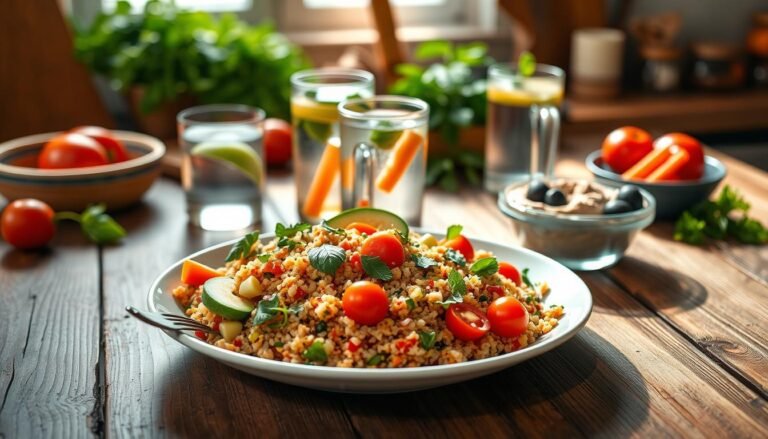
One great way to enjoy healthy chicken for fat loss is with colorful grain bowls. Use quinoa or brown rice, pre-cooked chicken, cucumbers, cherry tomatoes, and light vinaigrette. This method creates low calorie chicken recipes that feel like treats, not diet meals.
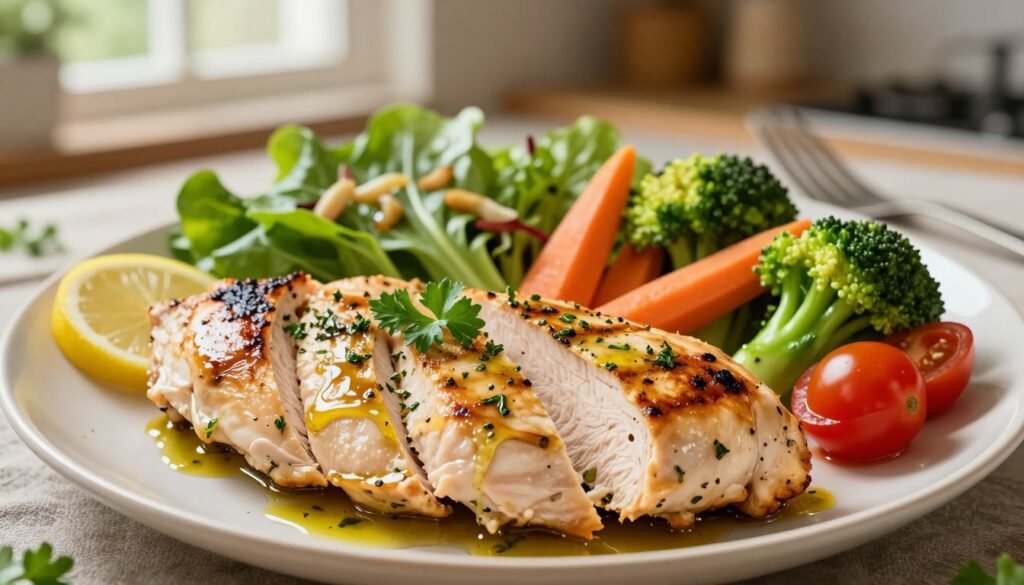
For a lighter meal, use chicken in crisp lettuce wraps or hearty vegetable soups. These lean chicken recipes keep calories low while providing plenty of protein. You can also add shredded chicken, greens, salsa, and a small portion of black beans to taco salad for fiber.
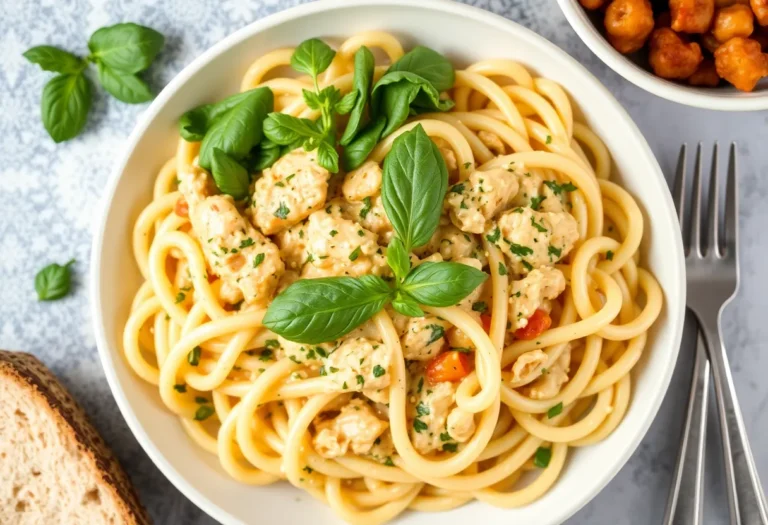
Do not fear carbohydrates or healthy fats in your diet. A baked potato stuffed with chicken, broccoli, and a dollop of Greek yogurt is a filling option for balanced living. High-protein pasta alternatives with chicken and marinara sauce also provide a comforting dinner that supports your progress.
The best chicken recipes for weight loss are meals you truly enjoy. Rotate seasonings and sides to prevent boredom, which can lead to unhealthy snacking. Remember, consistency is key, and varied meals can help you reach your goals faster.
High-Protein Chicken Breakfast and Lunch Recipes
Chicken is not just for dinner; it can also power breakfast and lunch. Adding high protein chicken meals to breakfast can control hunger for hours. One 3- to 4-ounce serving of cooked chicken has about 25 to 35 grams of protein, based on the cut.
Try a savory scramble for creative chicken breakfast ideas. Whisk two eggs with diced leftover chicken, spinach, and bell peppers for a nutrient-dense start. Make a whole-wheat burrito or stir it into fiber-rich oatmeal with scallions and soy sauce.
At lunch, choose lean chicken recipes to support steady energy. A chopped salad combines chicken with fresh greens and crunchy vegetables. Toss chicken with mixed greens, cucumbers, and light vinaigrette for volume without too many calories.
For a heartier meal, build a chicken quinoa bowl. Quinoa provides complex carbohydrates and extra fiber, helping you feel full longer. Add black beans or chickpeas for more plant-based fiber and a filling lunch that supports fat loss without large portions.
Simple Chicken Dinners for Busy Weeknights
You do not need hours in the kitchen to enjoy a delicious, nutritious dinner. When your schedule is packed, an easy chicken dinner can replace unhealthy takeout. Try sheet-pan bakes, quick stir-fries, or air-fryer chicken with fresh vegetables.
Skillet meals and hearty soups make a high protein dinner in under thirty minutes. These methods lock in flavor and shorten preparation time. Keep a few staples nearby for a satisfying meal without stress.
Managing your intake is simple when you keep your protein portion consistent. Start each meal with approximately 3 to 5 ounces of cooked chicken. This base ensures you hit your protein goals while leaving room to customize your plate.
For low calorie chicken recipes, focus on reducing added fats such as oil, cheese, or avocado. Swap heavy grains for extra greens or cauliflower rice to keep calories low and portions filling. These small changes help you stay on track with your fitness goals.
When you need more energy, increase your carbohydrate portion with brown rice, quinoa, or whole-wheat pasta. This flexible approach creates a high protein dinner for your activity level. Whether you need low calorie chicken recipes or a larger meal, it keeps nutrition balanced and your taste buds happy.
Chicken Meal Prep Without Boredom
Transform your weekly diet with a versatile chicken base that stays interesting. Cook a large batch of plain, poached, or roasted chicken instead of seasoning everything at once. Then add different sauces, fresh vegetables, or hearty grains to change flavors each day.
Pair your base chicken with spicy salsa and black beans on Tuesday, then use creamy pesto and zucchini noodles Wednesday. This chicken meal prep method keeps your palate excited and supports your nutrition goals.
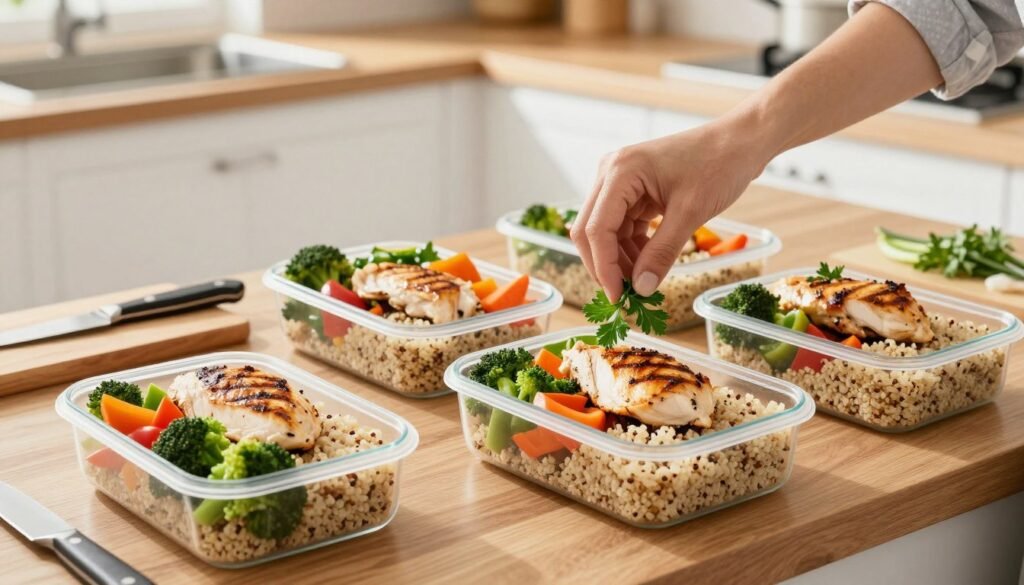
Proper storage helps maintain quality throughout the week. Cool cooked chicken promptly, then store it in shallow, airtight containers for even temperatures. For best results, eat your healthy chicken meal prep within three to four days of cooking.
How to Keep Meal-Prepped Chicken Tender
Dry, rubbery meat can ruin consistency. Keep chicken juicy by brining breasts or thighs before cooking, or use a flavorful marinade to lock in moisture. Let the meat rest for at least five minutes before slicing, so juices can spread through the fibers.
When it is time to eat, avoid the microwave, which can remove too much moisture. Instead, reheat portions with a small splash of chicken broth or a spoonful of your favorite sauce. This quick trick restores texture and keeps every bite tender and delicious.
Common Chicken Mistakes That Can Slow Fat Loss
Fat loss can stall when you overlook hidden calories in favorite chicken dishes. Chicken does not make every meal healthy. How you prepare food matters as much as the ingredients.
Chicken is a great source of lean protein, but preparation can turn it into a calorie bomb. Heavy breading or deep-frying can turn healthy dinners into high-calorie meals. These steps add significant fat and carbohydrates to your daily total.
Watch what you put on your chicken, too. Creamy dressings, melted cheese, and sugary glazes can double your plate’s calories. These toppings can hide the nutritional benefits of your main protein source.
Restaurant portions can also derail your progress. These servings are often much larger than needed for effective calorie deficit meals. Check the portion size before you start eating.
Evaluate your entire plate instead of focusing only on the chicken. Watch your sides and toppings to keep meals aligned with your goals. Small adjustments can help you stay on track with calorie deficit meals.
Food Safety and Portion Tips for Chicken Meals
Chicken food safety keeps healthy meals nutritious and safe. Store raw poultry in the refrigerator’s coldest area to slow bacterial growth. Use a separate cutting board for raw meat to prevent cross-contamination with fresh vegetables.
Use a digital meat thermometer instead of visual cues. Poultry must reach an internal temperature of 165°F for safe eating. Meat color cannot show doneness reliably; clear juices may hide an undercooked center.
Refrigerate leftovers within two hours of cooking. When reheating, make sure chicken reaches 165°F again to kill possible bacteria. This simple habit keeps meal prep safe for the entire week.
When to Choose Packaged or Restaurant Chicken Carefully
Controlling your chicken portion size gets harder when eating out or buying pre-packaged meals. Many store-bought options contain hidden sodium, excess oil, or heavy breading that can derail your progress. Check nutrition labels for serving sizes and added ingredients before buying.
At restaurants, one serving is often much larger than a standard chicken portion size. Control your intake by asking for sauces and dressings on the side. This small change helps you enjoy your meal while keeping your calorie goals on track.

Conclusion
Reaching your fitness goals feels easier when you choose lean protein sources. Healthy chicken for fat loss helps you enjoy satisfying meals while staying within your energy limits.
Control portions by serving 3 to 4 ounces of cooked meat. This serving gives you enough protein to feel full without adding too many calories. Add fiber-rich vegetables and complex carbohydrates for balanced calorie deficit meals that support an active lifestyle.
You can shape your kitchen routine around your personal taste. Try different spices and fresh herbs to keep meals exciting. These simple chicken recipes for weight loss can help you maintain progress over the long term.
Consistency remains the most important part of your journey. Follow these habits and watch your body respond to the high-quality fuel you provide. Your path to better health starts with the next meal you prepare in your kitchen.