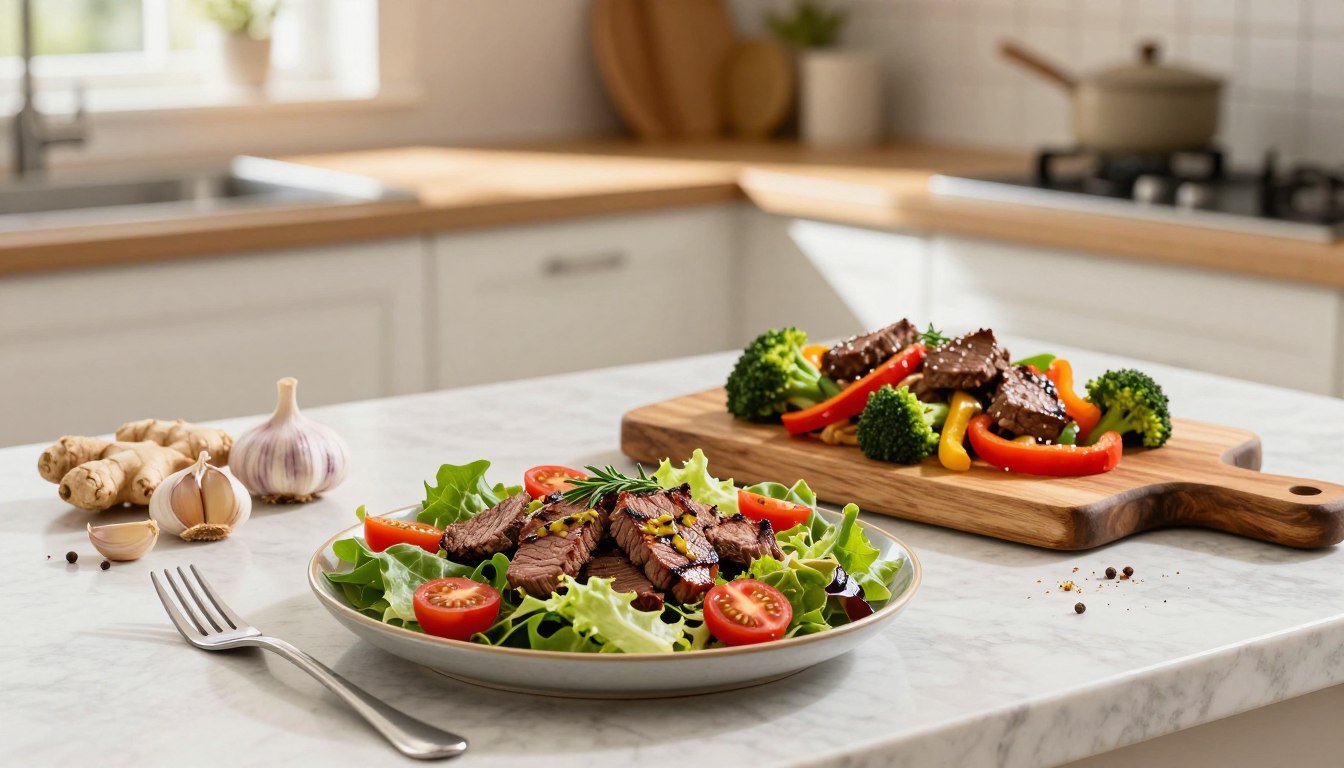
Healthy Beef Fresh Recipes
Can you enjoy your favorite protein while meeting your wellness goals? Many people think red meat cannot fit a balanced diet, but preparation matters.
Pair lean cuts with colorful produce and bold seasonings to create satisfying meals. Our collection of Healthy Beef Fresh Recipes includes quick skillet dinners, grilled favorites, hearty bowls, and vibrant salads.
Whether you need a fast taco night or a structured meal-prep plan, these ideas simplify cooking. Kitchen safety comes first, so always use a food thermometer for safe, quality results.
Ground options should reach 160°F, while whole cuts need at least 145°F and a short rest. These fresh recipes show that healthy eating can keep its flavor.
Key Takeaways
- Focus on lean cuts to keep your meals nutritious and light.
- Use a food thermometer to ensure your meat reaches safe temperatures.
- Ground meat requires 160°F, while whole cuts need 145°F plus resting time.
- Incorporate seasonal vegetables to add fiber and color to your plate.
- Meal-prep your proteins in advance to save time during busy work weeks.
What Makes Beef Recipes Healthy and Fresh
You can transform your kitchen routine with healthy beef recipes that focus on good nutrition. Choose lean cuts, such as sirloin or tenderloin, for a strong meal base. Trim extra fat and add colorful vegetables for a balanced plate that satisfies hunger.
Fresh ingredients make a big difference compared with processed, high-sodium packaged foods. Fresh produce adds natural crunch and bright color to each dish. These changes help you avoid hidden sugars and excess salt while keeping meals light and tasty.
Smart Swaps for Lower Sodium and Added Fiber
Adding fresh beef recipes to your weekly menu is easy with smart ingredient swaps. Replace heavy, store-bought sauces with homemade salsa or fresh citrus juice. These additions add a bright, zesty kick without extra sodium.
Add beans or hearty whole grains to your skillet to increase fiber. Use unsalted broth instead of canned broth to control seasoning in soups and stews. These small changes keep your healthy beef recipes nutritious and delicious.
Fresh herbs like cilantro, parsley, and basil add a burst of aroma to any dish. They improve texture while reducing your need for heavy, calorie-laden gravies. These fresh beef recipes can help you feel energized and satisfied after every meal.
Healthy Beef Fresh Recipes for Every Craving
Your kitchen likely has what you need for a delicious dinner. With savory grain bowls, comforting soups, or crisp lettuce wraps, healthy ground beef recipes can match any craving. Keep a few versatile items on hand to build meals for any mood.
With the right ingredients, you can make easy beef dinner recipes in minutes. Choose foods with a long shelf life for your meal foundation. Then, you can cook a nutritious meal without a last-minute store trip.
Fast Pantry Staples to Keep on Hand
Keep canned tomatoes, beans, and low-sodium broth in your pantry. They create bases for hearty stews and sauces. Whole-grain rice or quinoa can stretch one pound of beef into several filling family servings.
Keep onions, garlic, and various frozen vegetables in your freezer, too. They add key nutrients and flavor to healthy ground beef recipes. Toss them into a skillet to make your meal larger quickly.
Combine these shelf-stable staples with fresh beef to create endless menu options. This method makes easy beef dinner recipes wholesome and budget-friendly. Your pantry becomes a useful tool for stress-free cooking.
Quick Beef Skillet Recipes for Busy Weeknights
When your schedule is packed, quick beef skillet recipes make healthy dinners easier. These one-pan meals offer a nutritious feast in minutes and reduce kitchen cleanup. Fresh ingredients help you avoid the extra sodium and heavy oils in pre-packaged convenience foods.
For best results, heat your skillet over medium-high heat before adding the meat. Properly browned beef adds deep, savory flavor to the whole dish. After browning, drain excess fat to keep your meal light and heart-healthy.
How to Keep Ground Beef Tender Without Excess Oil
lean ground beef recipes need care to keep the texture juicy. Instead of extra oil, add diced tomatoes, low-sodium beef broth, or water. These liquids create a natural sauce that keeps the meat from drying during cooking.
Though tempting, constant stirring can break the meat into tiny, dry crumbles. Let the meat sear undisturbed for a few moments, then gently fold in your favorite fresh vegetables. Use bell peppers, zucchini, or spinach to finish the meal.
Fresh Grilled Beef Recipes for Warm Evenings
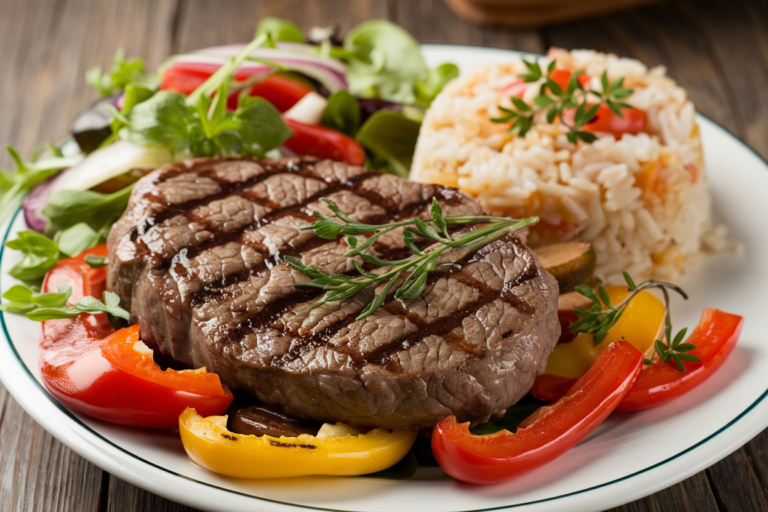
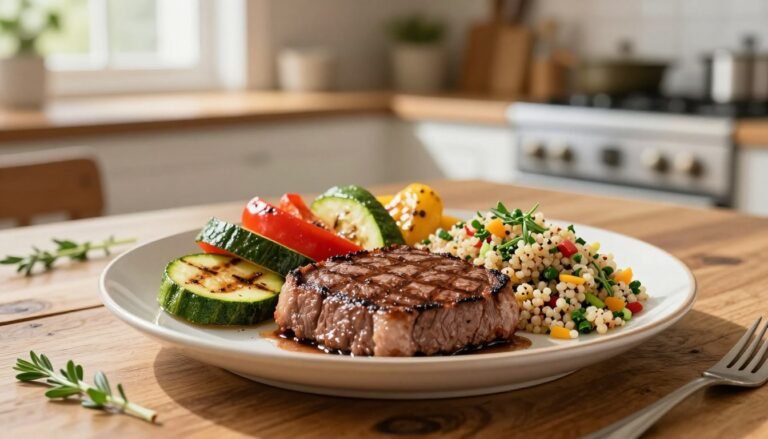
Nothing beats the smoky aroma of fresh grilled beef recipes on a warm summer evening. Grill lean steaks, colorful kebabs, or thinly sliced beef for deep flavor that kitchen cooking cannot match. Add seasonal vegetables, such as zucchini, bell peppers, or asparagus, for a balanced, colorful meal.
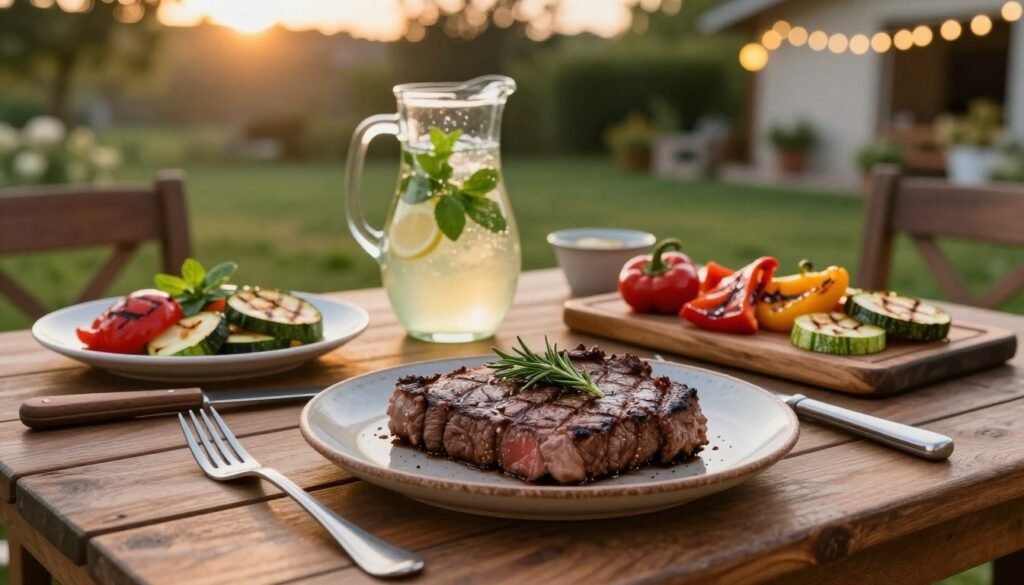
Keep your meal light with a healthy beef marinade made from bright, acidic ingredients. Lemon juice, apple cider vinegar, and plain Greek yogurt tenderize meat and add a zesty punch. These ingredients break down fibers without heavy, sugar-laden barbecue sauces.
Fresh herbs, minced garlic, and toasted spices can also create incredible flavor profiles in your healthy beef marinade. Rosemary, thyme, and cracked black pepper work wonders on lean beef cuts. These natural ingredients keep dinner nutritious and satisfying without weighing you down.
Marinating Tips for Lean Beef Cuts
Timing matters when you prepare lean cuts, such as sirloin or flank steak. These cuts have little fat, so they can dry out in acidic mixtures. Marinate smaller or thinner pieces for thirty minutes to two hours to protect their texture.
Always use a meat thermometer to help beef reach the right internal temperature without overcooking. Remove the meat from heat at the right moment to keep it juicy and tender. These simple techniques help you master fresh grilled beef recipes for any warm night.
Wholesome Beef Bowls With Fresh Toppings
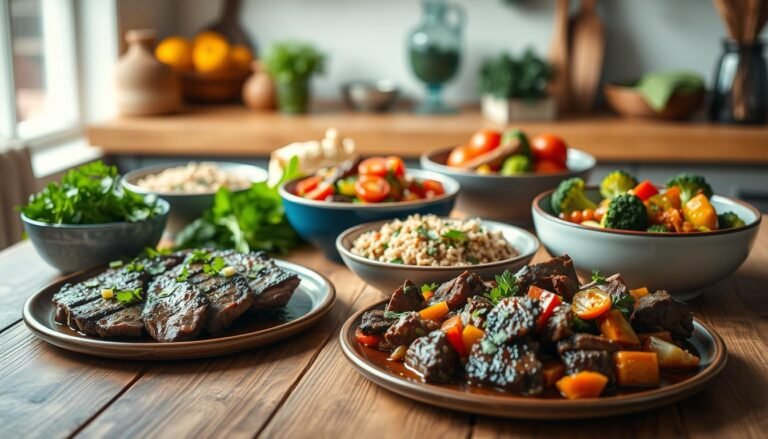
Making high-fiber beef meals at home is simple, saves time, and can boost your energy. Combine lean protein with nutrient-dense ingredients for a balanced dinner. With variety, wholesome beef bowls stay interesting instead of feeling repetitive or boring.
Your bowl’s foundation affects how long it keeps you satisfied. Whole grains like quinoa, farro, and barley offer a chewy texture and plenty of fiber. Brown rice or canned lentils work beautifully when you need a faster option.
For fewer carbohydrates, cauliflower rice provides a light, vegetable-forward base that cooks in minutes. After choosing a base, add colorful vegetables to increase the fiber content. Black beans and chickpeas add plant-based protein and heartiness.
These high-fiber beef meals pair lean beef with complex carbohydrates to help keep your blood sugar stable throughout the evening.
Finish your bowl with fresh toppings for contrasting flavors and textures. Creamy avocado slices, shredded purple cabbage, and herbs like cilantro or mint add brightness. A dollop of yogurt-based sauce ties everything together without requiring an excessive portion of meat.
Comforting Beef Soups and Stews With Plenty of Vegetables
You can stretch your grocery budget with hearty healthy beef soups. They use extra produce and make nutritious, filling meals for the whole family. Add carrots, celery, onions, tomatoes, potatoes, beans, and leafy greens for a balanced dish.
Start by browning the beef to lock in flavor. Then sauté aromatic vegetables to build a savory base. Use unsalted broth to control sodium and let each ingredient’s natural flavor shine.
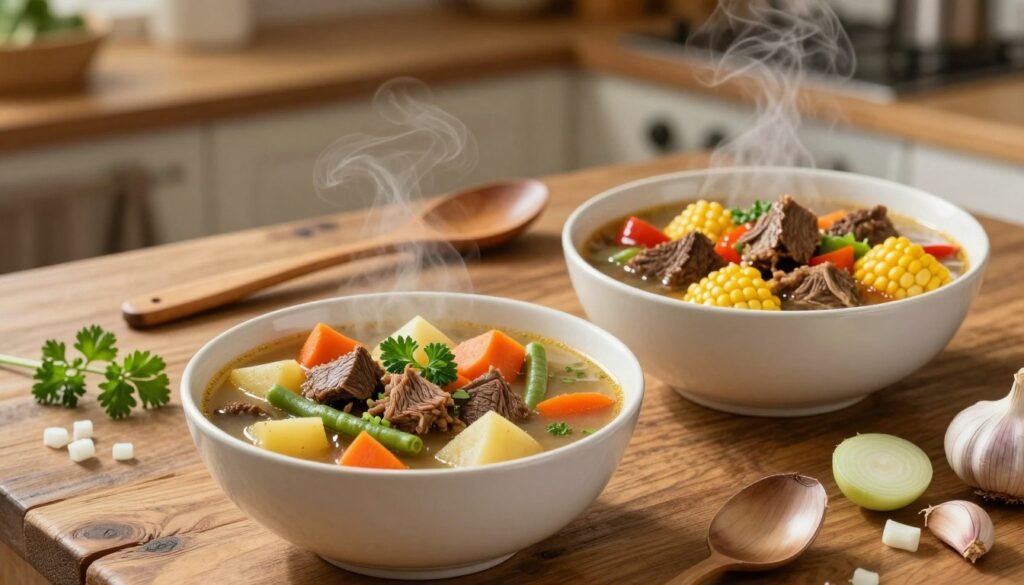
Delicious healthy beef soups need little fat. If you have time, chill the finished soup overnight. The fat hardens on top, so you can skim it off before reheating.
Keep your vegetable beef stew bold with herbs and spices instead of extra oil. Mushrooms add natural umami, and a spoonful of tomato paste gives the broth deep, complex flavor. These changes keep the meal light without losing its comforting taste.
Light Beef Salads, Lettuce Wraps, and Fresh Tacos
Refresh your dinner routine with crisp vegetables and bright flavors instead of heavy sauces. Lean, cooked beef becomes a satisfying meal that feels light and fresh. Choose a crunchy plate or zesty bowl for protein and nutrition.
Preparing light beef salads is a smart way to use leftover steak or ground beef. Toss the beef with mixed greens, sliced cucumbers, and colorful bell peppers. These vegetables add volume and crunch without making the meal feel heavy.
For a handheld meal, make beef lettuce wraps with large butter or romaine leaves. Use the crisp leaves to hold seasoned beef, shredded carrots, and radishes. They offer a refreshing, low-carbohydrate alternative to traditional flour tortillas.
Using Citrus, Herbs, and Salsa Instead of Heavy Sauces
You do not need mayonnaise or cream-based dressings for delicious flavor. Use fresh lime or lemon juice to brighten your fresh beef tacos. The acid cuts through rich meat and lifts the whole dish.
Add cilantro, parsley, or mint for a burst of garden-fresh flavor. Top your light beef salads with chunky salsa or homemade pico de gallo for extra heat. Pickled onions add a tangy kick to beef lettuce wraps.
These bright toppings keep your fresh beef tacos healthy and flavorful. Simple swaps help you maintain a balanced diet while enjoying beef’s bold, savory taste each day.
Meal-Prep-Friendly Beef Recipes for Your Week
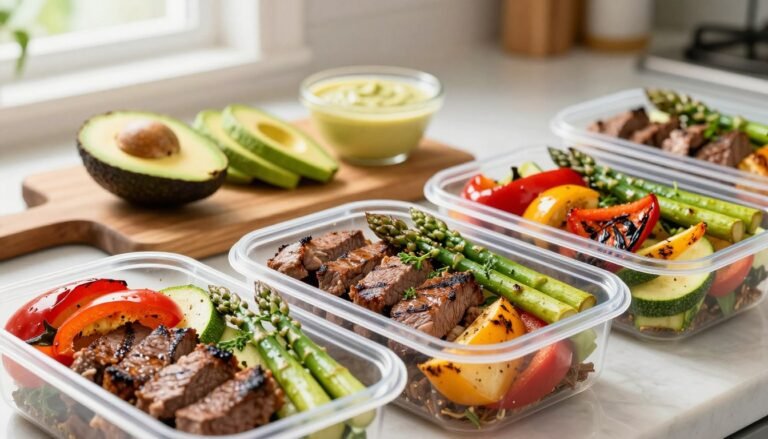
Mastering meal prep beef recipes can save significant time during busy work weeks. Prepare proteins, grains, and roasted vegetables in large batches instead of cooking every night. Store these parts separately to mix and match flavors throughout the week.
Store cooked beef, grains, and roasted vegetables in individual containers. Keep fresh greens, crunchy toppings, and sauces in separate small jars or bags. This method prevents ingredients from becoming soggy and keeps each bite as fresh as the day you cooked it.
Best Containers and Reheating Practices for Texture
Choosing the right storage gear helps maintain food quality. Use shallow, airtight containers so food cools quickly in the refrigerator. This prevents bacterial growth and keeps ingredients from overcooking in the fridge.
Always refrigerate leftovers promptly after cooking for safety. For best flavor, eat your meal prep beef recipes within three to four days. Reheat each portion thoroughly until it is steaming hot.
If refrigerated beef feels dry, add a small splash of broth or water before heating. This simple trick restores moisture and protects your meal’s texture. These habits let you enjoy delicious, healthy dinners on your busiest days.
How to Select, Cook, and Season Beef the Healthy Way
Choose high-quality, lean beef for delicious, wholesome meals at home. Look for cuts labeled “loin” or “round,” because they usually have less saturated fat. Before cooking, trim visible fat from the edges to keep your meal light.
Learning how to cook lean beef helps you enjoy this protein without losing flavor. Match your cooking method to the cut you choose. Tougher cuts need slow, moist heat, while tender steaks suit quick searing.
For flavor, skip heavy, pre-made sauces and choose healthy beef seasoning options. Fresh rosemary, thyme, and parsley add bright flavor without extra calories. Garlic, onion powder, or smoked paprika can build a savory crust and enhance the meat’s natural taste.
Preventing Dryness When Cooking Lean Cuts
Lean cuts have less internal fat, so they can dry out quickly. Use moderate heat and avoid overcooking to keep your meat juicy. A marinade with a little acid, such as lemon juice or vinegar, can tenderize fibers before the meat reaches the pan.
Let your beef rest for a few minutes after cooking so its juices can spread through the meat. Use a meat thermometer to check safety and quality. Whole cuts should reach 145°F, while ground beef should always reach 160°F for safe eating.
Mastering how to cook lean beef rewards you with every bite. Combine these methods with your favorite healthy beef seasoning for nutritious, satisfying meals. Keep the heat steady, use your thermometer, and enjoy making a better dinner.
Fresh Sides and Sauces That Complete a Beef Meal
You can transform any beef dinner with fresh, vibrant sides. Choosing the right healthy beef sides makes your plate lighter and more nutritious. Pair beef with roasted seasonal vegetables, crisp leafy greens, or fiber-packed beans.
Whole grains like quinoa or farro add wonderful texture. You might also enjoy crunchy, vinegar-based slaw or a side of fresh fruit. These healthy beef sides brighten flavors and contrast with savory meat.
Skip heavy, calorie-dense cream sauces that can weigh down dinner. Instead, make flavorful toppings with Greek yogurt, creamy tahini, or fresh garden herbs. Citrus, zesty salsa, or spicy mustard can elevate your dish without extra fat.
Portioning Beef, Sides, and Toppings for Balance
Mastering your beef meal portions helps maintain a balanced diet. Fill half your plate with colorful vegetables and fiber-rich sides. This lets you enjoy beef as a high-quality protein, not the meal’s entire focus.
Prioritizing plants keeps your beef meal portions satisfying without feeling too heavy. This simple shift helps you create a well-rounded dining experience every time you cook.
Conclusion
Start with lean cuts and pair them with bright produce. Combine fiber-rich grains with homemade toppings for balanced, nutrient-dense plates. These healthy beef meal ideas add excitement while supporting your nutrition goals.
Mastering cooking technique makes a big difference; use a meat thermometer for perfect doneness every time. Use fresh herbs, citrus juices, and colorful vegetables to build layers of flavor without heavy sauces. These habits turn basic ingredients into restaurant-quality dishes at home.
Choose one recipe to try this week. Whether you choose a quick skillet meal, a crisp salad, or a hearty bowl, you have the tools to succeed.
Start small and fit these healthy beef meal ideas into your busy schedule. Your journey toward fresh, delicious eating begins with your next grocery trip.