Gluten-Free Asian Meals That Taste Amazing
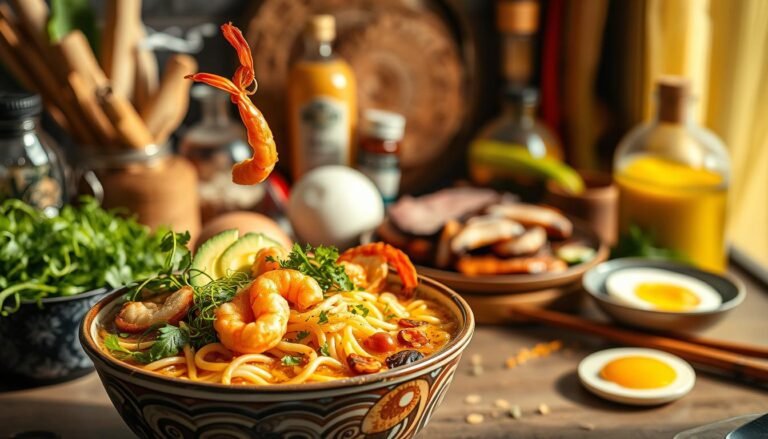
Did you know about 3 million Americans eat gluten-free? Many of them miss out on authentic Asian food. But now, you can enjoy delicious gluten-free Asian meals without losing flavor. Your journey to tasty gluten-free Asian dishes begins here, showing that you can keep taste and tradition alive.
Asian food is full of gluten-free options that will excite your taste buds. You can make gluten-free Asian meals that are amazing with just a few ingredient swaps and smart cooking tips.
This guide will show you how to enjoy your favorite Asian flavors while staying gluten-free. Whether you have celiac disease, gluten sensitivity, or just want to eat healthier, you’ll find lots of exciting dishes to try.
Key Takeaways
- Gluten-free Asian cuisine can be incredibly flavorful and authentic
- Many traditional Asian dishes are naturally gluten-free
- Simple ingredient substitutions make cooking easy
- Explore diverse Asian culinary traditions without dietary limitations
- Delicious gluten-free Asian dishes are within your reach
Understanding Gluten in Traditional Asian Cuisine
Asian cuisine can be tricky for those with gluten sensitivities. Traditional recipes often hide gluten sources. Soy sauce, wheat noodles, and many seasoning blends usually include wheat, which can be a problem.
Many classic Asian dishes use wheat-based products. Think Chinese dumplings, Japanese tempura batter, and Korean marinades. These foods contain gluten, making them hard for those on a strict gluten-free diet.
Starting your journey with gluten-free Asian recipes means learning about ingredients. Mirin, rice wine, and pre-made sauces often have wheat. Knowing this helps you make better choices when cooking or eating out.
But, many Asian dishes are naturally gluten-free. Rice-based dishes, rice noodles, and vegetable-focused recipes are great options. With the right ingredients and substitutions, you can enjoy real Asian flavors without gluten.
Knowing where gluten hides in Asian cooking lets you cook with confidence. Read labels, ask about ingredients, and try gluten-free alternatives. This way, you can explore new dishes while staying safe and enjoying your meals.
discover exactly how to eat in a way that BOOSTS your metabolism, balances hormones, FIGHTS stubborn belly fat, heals your gut, and increases your energy, regardless of your "bad genetics".
Essential Gluten-Free Asian Pantry Staples

Starting with a well-stocked pantry is key to making tasty gluten-free dishes. Your Asian kitchen can be both delicious and safe for those with gluten sensitivities. Rice, rice noodles, and most Asian vegetables are naturally gluten-free. They are great bases for healthy gluten-free Asian food.
Replace traditional wheat-based ingredients with gluten-free ones. Tamari sauce is a great substitute for regular soy sauce. Rice flour can take the place of wheat flour in many recipes. Cornstarch, potato starch, and arrowroot powder are great for thickening without gluten.
Make sure to have gluten-free staples like jasmine rice, rice noodles, and buckwheat noodles. Use sesame oil, rice vinegar, and coconut aminos for depth in your cooking. Fresh herbs like cilantro, Thai basil, and lemongrass add flavor without gluten.
When shopping, always read labels for gluten-free certification. Be careful of hidden gluten in sauces, marinades, and spice blends. With these pantry essentials, you can make delicious and safe Asian-inspired meals at home.
Mastering Gluten-Free Soy Sauce Alternatives

Looking for authentic gluten-free Asian flavors? Finding a good soy sauce replacement is key for home cooks. Traditional soy sauce has wheat, which is a no-go for those with gluten sensitivities. But, there are tasty gluten-free Asian alternatives that can make your cooking shine.
Tamari is a top pick for soy sauce fans. It’s made mostly from soybeans and is gluten-free. This option brings a deep umami flavor without wheat. Most tamari brands are certified gluten-free, so you can cook with confidence.
Coconut aminos are another great choice. Made from coconut tree sap, they have a sweeter taste than soy sauce. They’re perfect for stir-fries, marinades, and dipping sauces. This way, your meals are both tasty and safe for those with gluten sensitivities.
Liquid aminos are also a great option. Bragg Liquid Aminos, for example, is a protein-rich seasoning that tastes like soy sauce but is gluten-free. You can use it in place of soy sauce in your favorite Asian dishes.
Begin by using these alternatives in the same amount as soy sauce. Then, taste and adjust to get the flavor just right. Your gluten-free Asian cooking journey is now even more exciting!
Authentic Chinese Dishes Made Gluten-Free
Chinese cuisine is full of tasty gluten-free dishes that everyone can love. By making a few simple changes, you can make old favorites safe and delicious for all. This way, you can enjoy your favorite meals without worrying about gluten.
Try making spring rolls with rice paper instead of wheat. This makes crispy, tasty rolls filled with fresh veggies and protein. For stir-fries, use tamari or coconut aminos instead of soy sauce for a gluten-free option.
Beef and broccoli is easy to make gluten-free. Just use gluten-free cornstarch and soy sauce. Mapo tofu can also be made gluten-free by checking labels and using gluten-free chili bean paste. These changes let you enjoy true Chinese flavors.
It might seem hard to make Chinese food without gluten, but it’s doable. With the right ingredients, you can make meals that taste like they came from a restaurant. Try out different gluten-free options and see how versatile Chinese cooking can be.
Japanese Gluten-Free Favorites

discover exactly how to eat in a way that BOOSTS your metabolism, balances hormones, FIGHTS stubborn belly fat, heals your gut, and increases your energy, regardless of your "bad genetics".
Japanese cuisine is full of gluten-free meals that are delicious. It uses traditional cooking and fresh ingredients. This makes it easy to enjoy authentic flavors without gluten.
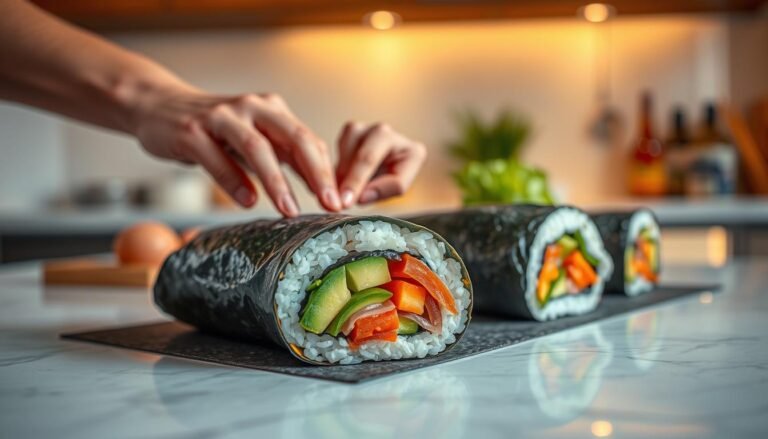
Sushi fans will be happy! Most sushi rolls are gluten-free because they use rice, fish, and seaweed. Just make sure the soy sauce is gluten-free. Rice vinegar and wasabi add great flavor without gluten.
Tempura is a fun gluten-free dish to make. Use rice flour or potato starch instead of wheat flour. This makes the batter crispy and light. You can make tasty veggie and seafood dishes that are gluten-free.
Teriyaki sauce can also be made gluten-free. Swap traditional soy sauce for tamari. Mix it with mirin, sake, and honey for a rich flavor. This way, you can enjoy Japanese marinades without gluten.
Japanese cuisine is amazing for gluten-free meals. With a few ingredient swaps, you can enjoy Japan’s flavors while staying gluten-free.
Korean Kitchen: Celiac-Friendly Recipes

Korean food is full of tasty options for those with celiac disease. You can start making gluten-free Korean dishes by learning to change traditional recipes.
Bibimbap is a great choice for those who can’t eat gluten. It’s a rice bowl with veggies and protein. Just make sure to use gluten-free gochujang sauce and check all ingredients.
For Korean BBQ, try using tamari instead of soy sauce. You can make many marinades gluten-free by swapping out wheat for other seasonings. This keeps the Korean taste you love.
Kimchi is usually gluten-free, making it safe for celiac-friendly diets. But always check the ingredients to be sure.
With the right ingredients and substitutions, you can make delicious Korean dishes that are safe and tasty. Your kitchen can now enjoy the bold flavors of Korean cooking.
Thai Dishes That Are Naturally Gluten-Free
Thai cuisine is a world of healthy, gluten-free food that will excite your taste buds. Many traditional Thai dishes don’t have gluten, making them great for those with dietary needs. Rice noodles, fresh herbs, and colorful vegetables are key in these tasty dishes.
Pad thai is a classic, gluten-free Thai dish you can make at home. By using rice noodles and checking your ingredients, you can make a real Thai meal without gluten worries. Tom yum soup and green curry are also great choices for those avoiding gluten.
When cooking Thai food, remember a few important things. Use gluten-free fish sauce, check curry paste labels, and choose tamari instead of soy sauce. Ingredients like lemongrass, ginger, and chili peppers bring amazing flavor to your gluten-free Thai meals. They don’t lose any taste or authenticity.
Exploring Thai cuisine means finding many safe and tasty options for those with gluten sensitivities. With some knowledge and careful ingredient picking, you can enjoy Thailand’s rich flavors in your own kitchen.
Vietnamese Gluten-Free Meal Ideas
Vietnamese food is full of gluten-free options that taste great. You can enjoy dishes like rice noodles, fresh herbs, and lean proteins. These ingredients make Vietnamese meals safe for those who can’t eat gluten.
Start your gluten-free journey with pho. You can make traditional pho gluten-free by using special fish sauce and checking the broth. Rice paper rolls are also a great choice, filled with veggies, herbs, and proteins like shrimp or chicken.
When cooking Vietnamese dishes at home, be careful of hidden gluten. Soy sauce, some marinades, and premade sauces might have wheat. Use tamari or coconut aminos instead to keep your meal gluten-free and flavorful.
Even dishes like banh mi can be made gluten-free. Use gluten-free bread or lettuce wraps instead. Grilled meats, fresh salads, and rice-based dishes are all gluten-free and delicious. With the right ingredients, you can enjoy all the flavors of Vietnamese food without worrying about gluten.
Tips for Eating Out at Asian Restaurants
Going to Asian restaurants with gluten-free options can seem scary. But, you don’t have to give up on tasty food. Being prepared and talking to your server are the keys to enjoying great gluten-free meals.
First, call the restaurant before you go to talk about your gluten-free needs. Many places have gluten-free dishes or can make changes. When you get there, tell your server about your gluten-free diet. Ask about the ingredients, how food is cooked, and if there’s a chance of gluten getting in.
Choose dishes that don’t have gluten naturally. Rice, steamed meats, and veggie dishes are usually safe. Stay away from breaded foods, regular soy sauce, and wheat noodles. Instead, ask for tamari sauce, which is gluten-free.
Some good choices include Vietnamese pho without wheat noodles, Japanese sashimi, Korean bibimbap without soy sauce, and Thai curries made with rice. Always check the ingredients and speak up about your dietary needs.
Carry gluten-free restaurant cards in different languages. These cards help you explain your dietary needs to the server. They make sure your meal is safe for you to eat.
Gluten-Free Asian Meals That Taste Amazing
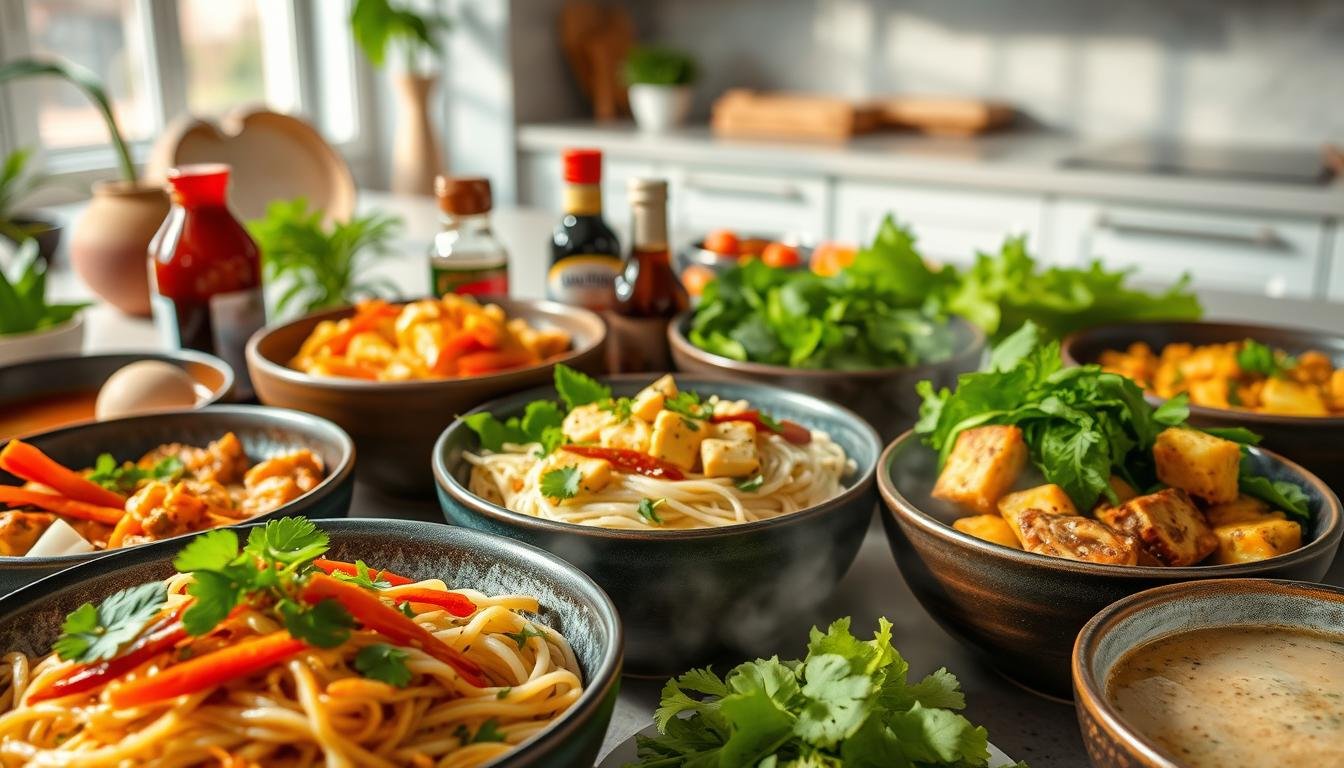
Want to enjoy authentic gluten-free Asian flavors? It’s easier than you think. Just a few ingredient swaps can turn traditional Asian recipes into gluten-free dishes. This way, you can have your favorite Asian meals without gluten.
Try using rice-based alternatives for great texture and taste. Tamari sauce is a good soy sauce substitute, adding a rich umami flavor. Rice noodles are perfect for stir-fries and noodle bowls, making your meals taste like they’re from a restaurant.
Use gluten-free ingredients like rice flour, cornstarch, and potato starch for crispy coatings. These help you make crunchy spring rolls and golden tempura. Your dishes will be full of Asian-inspired flavors that excite your taste buds.
Authentic gluten-free Asian flavors come from fresh herbs and spices. Use high-quality ingredients like fresh ginger, garlic, and lemongrass. These will take your gluten-free Asian cooking to new heights.
Conclusion
Exploring gluten-free cooking doesn’t mean you have to give up taste or tradition. You’ve learned how to make Asian dishes that are both tasty and safe. This opens up a world of healthy, gluten-free Asian food that celebrates rich traditions.
With the recipes and tips you’ve picked up, you can enjoy a wide range of Asian dishes. From Chinese stir-fries to Japanese sushi, you’re ready to cook with confidence. Each dish is a chance to make vibrant, safe meals that honor tradition and meet your dietary needs.
Your cooking journey is just starting. Keep trying new gluten-free ingredients and cooking methods. Stay curious about Asian cuisine. With time, you’ll become more skilled at turning dietary challenges into fun cooking adventures.
Now, you’re all set to make your kitchen a gluten-free Asian cooking haven. Enjoy the flavors, trust your skills, and savor every moment of your culinary journey.
discover exactly how to eat in a way that BOOSTS your metabolism, balances hormones, FIGHTS stubborn belly fat, heals your gut, and increases your energy, regardless of your "bad genetics".