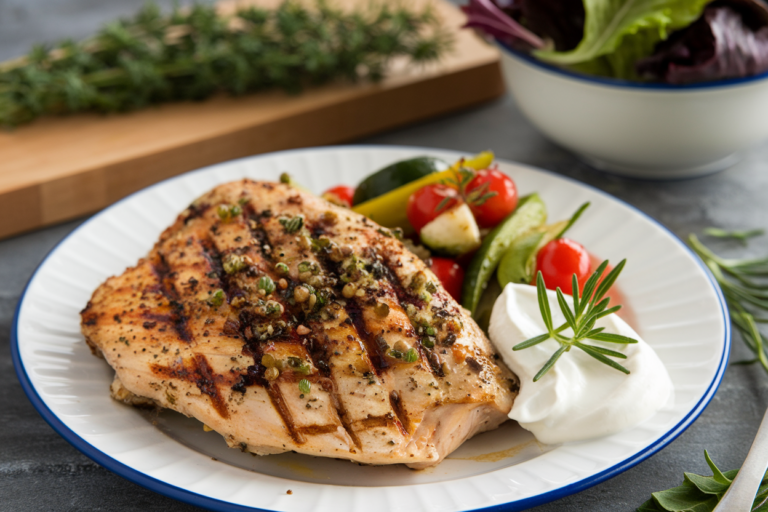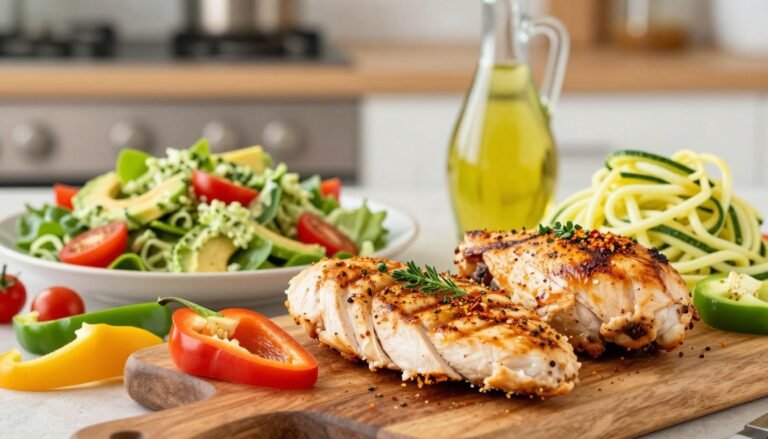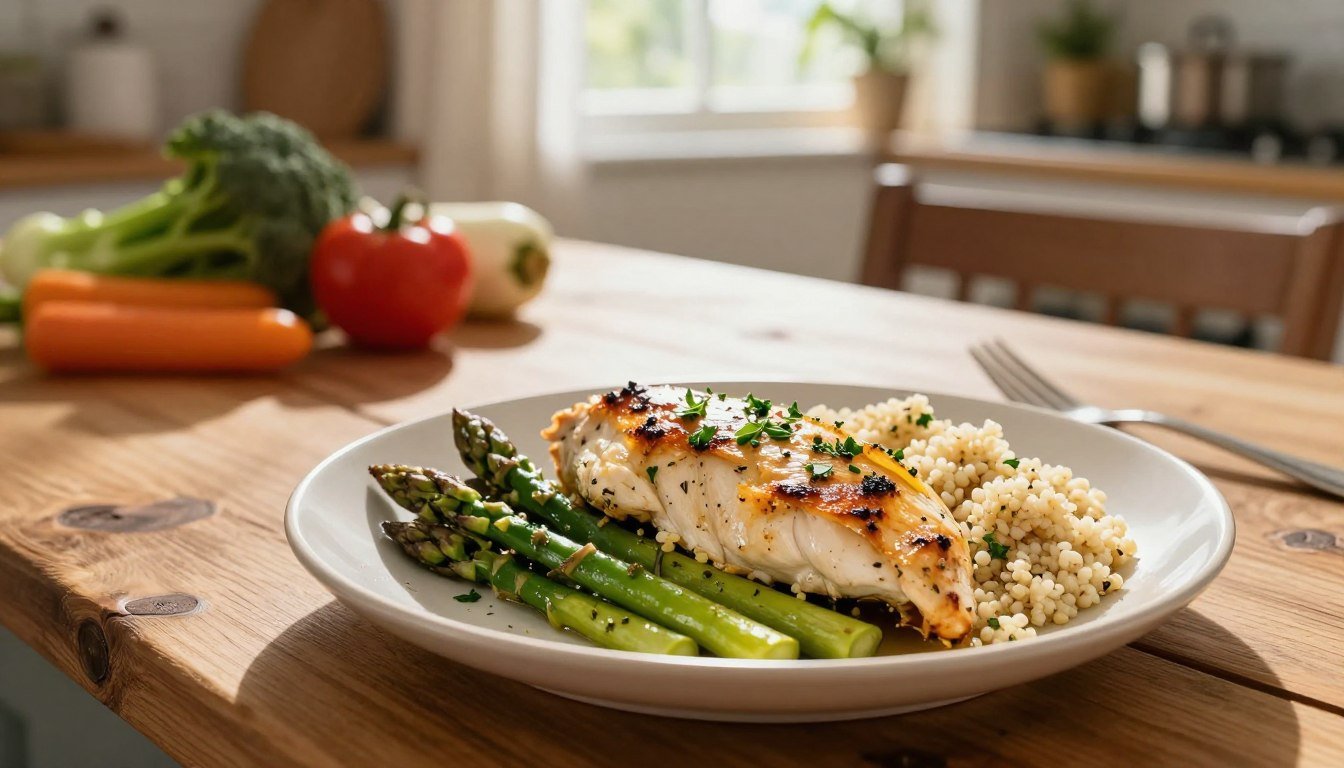
Chicken Healthy Comfort Food
Can your favorite weeknight dinner actually support your wellness goals while keeping its classic, soul-warming taste? Many people believe satisfying meals must be heavy or indulgent, but you can transform your kitchen routine.
Swap traditional ingredients for lean proteins, vegetables, and whole grains to create chicken healthy comfort food that feels indulgent yet light. Smart swaps and lighter sauces keep your palate happy and energy levels steady during the busy work week.
Mastering simple techniques, such as roasting or poaching, helps you explore various healthy chicken recipes for a hectic schedule. Always remember to use a meat thermometer to ensure your protein reaches an internal temperature of 165°F for safety. With these small adjustments, you can enjoy familiar flavors while nourishing your body effectively.
Key Takeaways
- Prioritize lean protein sources to maintain nutritional balance.
- Incorporate fresh vegetables and whole grains for added fiber.
- Use lighter sauces to reduce unnecessary calories and fats.
- Always cook poultry to 165°F to ensure it is safe to eat.
- Plan your weekly meals to save time during busy evenings.
- Experiment with herbs and spices to boost natural flavor profiles.
Why Chicken Makes Comfort Food Feel Lighter
Comfort food can feel heavy, but chicken offers a lighter choice. This versatile protein satisfies cravings while keeping meals light and easy to manage. With the right cuts, healthy comfort food recipes can keep the cozy flavors you love.
When shopping, compare skinless chicken breasts with thighs. Skinless breasts have fewer calories and less fat, so they work well in lighter dishes. For deeper flavor, trim visible fat from thighs before cooking to keep them lean and nutritious.
How you prepare chicken matters as much as the cut you choose. Use less added oil or butter in the pan to reduce a meal’s richness. With lean chicken recipes, you can enjoy hearty textures without the heavy feeling of traditional comfort classics.
Fresh vegetables and broth-based sauces add volume and depth to your plate. They provide essential nutrients and help meals feel satisfying instead of sluggish. Reasonable portions and colorful, whole-food ingredients preserve comfort while creating a more balanced meal for your daily routine.
Chicken Healthy Comfort Food: Essential Ingredients and Cooking Strategies
These chicken cooking tips can make your kitchen routine a source of wholesome comfort. For comfort food chicken recipes, choose quality ingredients to build balanced meals. Use lean, boneless chicken breasts or thighs as your protein base. Add garlic, onions, low-sodium broth, fresh herbs, colorful vegetables, fiber-rich beans, and hearty whole grains.
How to Keep Chicken Moist and Tender
Preventing lean meat from drying can be challenging. Pound uneven chicken breasts to an even thickness so the entire piece cooks evenly.
Try a quick salt-water brine for about thirty minutes to lock in moisture. After cooking, let the chicken rest for five to ten minutes before slicing, allowing juices to spread through the meat. This helps create a tender bite.
Safe Internal Temperature and Handling Practices
Food safety matters as much as flavor when you work in the kitchen. Always use a meat thermometer to ensure chicken reaches an internal temperature of 165°F. This is the only way to guarantee your meal is safe to eat.
Keep raw poultry separate from ready-to-eat foods, such as fresh vegetables or cooked grains. Use a dedicated cutting board for meat and wash your hands thoroughly after handling raw ingredients. These chicken cooking tips keep your kitchen safe and meals delicious.
One-Pan Chicken Dinners for Busy Weeknights
When your schedule is packed, a one pan chicken dinner makes dinner less stressful. It combines protein and vegetables in one dish, so you scrub fewer dishes and enjoy your food sooner. These easy chicken dinners help you meet nutrition goals without giving up flavor.
Ingredients and Flavor Additions
To improve your healthy chicken dinner ideas, use fresh herbs, citrus zest, and high-quality olive oil. Garlic, smoked paprika, and dried oregano bring deep flavor to simple ingredients. Try balsamic glazes or a little honey for a sweet touch on roasted vegetables.
Roasting Chicken and Vegetables Evenly
Consistency matters when cooking everything at once. Cut dense vegetables, such as carrots or potatoes, into small, even pieces. Arrange the chicken with space around each piece, allowing heat to circulate and everything to finish together.
Creating a Quick Pan Sauce
After roasting, make a tasty sauce right in the pan. While the pan is warm, deglaze it with a splash of chicken broth, lemon juice, or white wine. This lifts browned bits, creating a flavorful liquid that brings the meal together.
Keeping the Green Beans Crisp-Tender
Green beans cook much faster than root vegetables. Add them during the last ten minutes of roasting, so they stay bright and crisp-tender. This timing keeps them from turning mushy while the chicken finishes cooking.
Layering the Ingredients in One Pan
Strategic layering controls moisture during cooking. Put heartier vegetables on the bottom or edges, where they get the most heat. Keep the chicken in the center, so it stays juicy while the vegetables roast perfectly.
Serving With Avocado, Salsa, or Plain Greek Yogurt
Finish your easy chicken dinners with toppings that add creaminess or acidity without heavy, calorie-dense sauces. A dollop of plain Greek yogurt adds a cool, tangy finish, while fresh salsa provides a vibrant kick. Sliced avocado offers healthy fats, making your meal feel complete and satisfying.
Cozy Chicken Soups and Stews With Plenty of Nourishment
When you need a meal that feels like a hug, try these hearty chicken soup recipes. These one-pot meals balance lean protein, fiber-rich vegetables, and satisfying carbohydrates. They fuel your body while keeping kitchen work simple.
Choosing Vegetables That Hold Their Texture
For a long simmer, choose vegetables that can withstand the heat. Carrots, celery, and potatoes work well. Cabbage and green beans also hold their shape and add crunch to each spoonful.
Adding Pasta Without Making the Broth Starchy
Pasta makes a tasty addition, but it can turn broth thick and cloudy. Cook noodles separately, then stir them into the pot before serving. This keeps the broth clear and stops pasta from absorbing all the liquid.
Building Deep Flavor in the Slow Cooker
Slow cookers develop deep, complex flavors over several hours. Sear chicken pieces first to lock in their juices before adding them to the pot. Add garlic, onions, and fresh herbs early to infuse the dish with savory flavor.
Adjusting the Stew’s Thickness and Seasoning
If your stew looks thin, mash cooked potatoes against the pot’s side to thicken it naturally. Taste the broth before serving, then add a pinch of salt or splash of acid if needed. Lemon juice often brightens the flavors.
Using Evaporated Milk or Greek Yogurt for Creaminess
Many classic chicken soup recipes gain from a creamy touch. Instead of heavy cream, stir in evaporated milk or plain Greek yogurt at the end. Both add rich texture without weighing down your healthy meal.
Preventing the Rice From Overcooking
Rice absorbs liquid and can turn mushy if it stays in the pot too long. For best results, cook rice separately and add it to each bowl as you serve. This simple step gives every bite the right texture and consistency.
Healthier Chicken Casseroles That Still Feel Indulgent
Turning a classic dish into a healthy chicken casserole is easier than you may think. You can keep its creamy, cheesy appeal without using heavy ingredients. Smart swaps create a comforting meal that supports your wellness goals.
Making a Creamy Sauce Without Heavy Cream
Greek yogurt or evaporated milk can replace heavy cream in a rich, velvety sauce. Both alternatives create a thick texture and add protein to your healthy chicken casserole. Blended roasted cauliflower or zucchini can also thicken sauces naturally.
Adding a Crisp Whole-Grain Topping
A crunchy topping makes every bake more satisfying. Replace refined white breadcrumbs with crushed whole-grain crackers or toasted oats. These choices add texture and fiber to your healthy chicken casserole.
Balancing Spicy Buffalo Sauce With Cooling Ingredients
Buffalo-inspired dishes are popular, but they can feel heavy. Add diced celery or a light yogurt-based ranch drizzle to cool the heat. This keeps your healthy chicken casserole bold in flavor without making it too greasy.
Using Cauliflower to Add Volume and Fiber
Cauliflower adds volume and fiber to any casserole. Chop it into florets or rice it to add significant volume without extra calories. This simple addition helps you feel full and satisfied after eating your healthy chicken casserole.
Choosing a Lower-Sodium Enchilada Sauce
Store-bought sauces often contain too much salt. Choose a lower-sodium enchilada sauce to keep your meal balanced. Fresh herbs and spices add flavor without relying on excess sodium.
Layering Beans, Chicken, Vegetables, and Cheese
Layering helps pack each bite with nutrition. Begin with lean chicken and fiber-rich beans, then add colorful vegetables. Use a measured amount of cheese on top for an indulgent finish while keeping overall fat in check.
High-Protein Chicken Comfort Food for Satisfying Meals
You can boost your daily intake with high protein chicken meals that keep you full for hours. Choose nutrient-dense ingredients to turn simple comfort food into an energy-rich meal. These meals support your wellness goals while helping you stay satisfied.
Keeping Ground Chicken Meatballs Tender
Ground chicken can become dry or dense without careful preparation. Mix in grated onion and a few breadcrumbs to keep meatballs juicy. Add an egg to bind the mixture without making it tough.
Mix the ingredients gently with your hands. Overworking the meat creates a rubbery texture and ruins the dish. Use a light touch to keep every bite tender.

Pairing Tzatziki With a Balanced Plate
Add cool tzatziki to elevate your nutritious chicken meals. This Greek yogurt-based sauce adds creamy texture and refreshing tang. It pairs well with grilled chicken or meatballs for a balanced plate.
Combining Chicken and Lentils for Extra Protein
Add lentils to chicken dishes when you want more protein. Lentils provide fiber and plant-based protein that complement poultry. Together, they create a hearty stew or casserole that keeps hunger away.
Making a Lighter Mashed Potato or Cauliflower Topping
Traditional comfort dishes often use heavy toppings that can weigh you down. Blend mashed cauliflower with potatoes for a lighter option. This swap reduces calories while keeping the classic, creamy comfort you crave.
Preparing the Filling for Even Cooking
When making a chicken pie or bake, cut the filling into uniform pieces. Chop the vegetables and chicken into similar sizes so they cook evenly. This prevents some pieces from becoming mushy while others stay undercooked.
Adding Cheese Without Overloading the Dish
Cheese adds rich flavor, but it is easy to use too much. Choose aged cheddar or parmesan for stronger flavor with less cheese. Sprinkle it lightly over the top for a golden crust and less added fat.
Classic Chicken Favorites With Better-for-You Twists
Rediscover the joy of home cooking with healthier versions of your favorite chicken recipes. Small, thoughtful swaps support a balanced diet. These satisfying meals feel indulgent without slowing your wellness journey.
Creating a Crisp Coating Without Deep-Frying
Get a crisp coating with your oven or air fryer instead of a deep fryer. Coat chicken lightly with egg wash or Greek yogurt, then press it into breadcrumbs. This method keeps the meat moist while greatly reducing added oil.
Choosing Part-Skim Mozzarella and Whole-Grain Breadcrumbs
For chicken parmesan healthy meals, choose part-skim mozzarella to reduce saturated fat. Whole-grain breadcrumbs add fiber and a nutty flavor to the dish. These simple swaps keep the classic texture without the heavy feeling after traditional meals.
Filling the Pie With Frozen and Fresh Vegetables
A healthy chicken pot pie uses nutrient-dense ingredients for comforting flavor. Add frozen peas, carrots, and fresh celery for vitamins and texture. These vegetables make the filling hearty while keeping the calorie count manageable.
Using a Lightened Gravy and Portion-Friendly Topping
Replace heavy cream with low-sodium chicken broth and a little cornstarch or flour. This creates a silky sauce that coats the ingredients well. Use a thin puff pastry layer or a whole-wheat biscuit to keep the meal balanced.
Seasoning and Coating the Chicken
Flavor matters when you lighten favorite recipes. Season breadcrumbs with dried herbs, such as oregano, basil, and garlic powder. This adds savory flavor to every bite and reduces the need for extra salt or heavy sauces.
Preventing the Tenders From Drying Out
Thin chicken pieces cook faster than larger cuts, so timing matters. Check the chicken early and remove it when it reaches 165°F. This approach keeps tenders juicy, making your chicken parmesan healthy or crispy strips a success.
Make-Ahead Chicken Meals for Your Weekly Routine
Batch cooking can make your weekly schedule easier. With make ahead chicken meals, you can keep a healthy dinner ready to serve. This plan makes your kitchen more efficient.
Poaching, Baking, and Slow-Cooking Options
You have several ways to prepare chicken for the week. Poaching keeps it tender, while baking adds seasoning and browning. A slow cooker supports hands-off chicken meal prep and creates tender, shredded meat.
Portioning Chicken for Refrigeration and Freezing
After cooking, divide the chicken into small portions right away. Then, grab what you need for a quick salad or stir-fry. Use airtight containers to keep each portion fresh throughout the week.
Separating Ingredients to Preserve Texture
Store sauces, grains, and vegetables in separate containers to keep meals fresh. Mixing them too soon can make the food soggy. Separate components let you build a crisp, tasty bowl before eating.
Choosing Fresh Toppings at Serving Time
Add fresh toppings, such as cilantro, avocado, or crunchy nuts, just before serving. These toppings add flavor and texture, making the meal feel new. Fresh ingredients can lift simple prepped food.
Cooling and Packaging the Casserole Safely
Cool cooked food within two hours for safety. Use shallow containers so heat leaves the food quickly in the refrigerator. This step limits bacterial growth and protects food quality.
Thawing and Reheating Without Drying It Out
Thaw frozen portions in the refrigerator overnight when you are ready to eat. Reheat chicken gently on the stove or in the microwave with broth or water. The added moisture prevents dryness and keeps your meal satisfying.
Simple Swaps That Improve Flavor and Nutrition
Small kitchen changes can improve flavor and nutrition. You do not need to change your whole diet to see results. A few healthy chicken swaps keep favorite meals indulgent while improving their nutrition.
Start with creamy sauces: replace some mayonnaise in chicken salad with plain Greek yogurt for tang and extra protein. Swap refined starches for whole grains, such as quinoa or brown rice, to add fiber. These changes make healthy chicken recipes more satisfying.

Do not forget plant-based additions. Replace part of the meat in your dishes with hearty beans or lentils. This stretches ingredients, adds wonderful texture, and keeps cooking budget-friendly and nutritious.
Use fresh herbs, lemon juice, or lime zest to brighten chicken without salt. Roast vegetables for natural sweetness and a delicious contrast to savory poultry. Toast spices in a dry pan before adding them to recipes for deep, complex flavors.
Make one or two realistic changes at a time. This keeps familiar comfort foods enjoyable and practical for your busy lifestyle. As you get comfortable with these healthy chicken recipes, eating well becomes second nature.
How to Build a Balanced Chicken Comfort Food Plate
A satisfying dinner starts with a balanced chicken meal. Combine quality protein, vegetables, and complex carbohydrates for a nourishing, special plate. This mix keeps you full while letting you enjoy favorite flavors.
Fresh Sides for Richer Chicken Dishes
Creamy casseroles and cheesy chicken bakes often need a bright contrast. Crisp garden salads, tangy slaws, and sliced seasonal fruit balance these rich dishes. Their fresh crunch makes each bite of your balanced chicken meal feel lighter and brighter.
Warm Sides for Leaner Chicken Recipes
Lean grilled or poached chicken may need a warm addition. Roasted root vegetables, fluffy brown rice, and seasoned black beans add fiber and substance. They complete your balanced chicken meal without requiring oversized portions.
Experimenting helps you customize dinner for your current cravings. Whether you choose a cool salad or warm grain bowl, you can master the perfect balanced chicken meal.
Storing, Reheating, and Serving Chicken Leftovers
Proper storage and reheating help healthy chicken dishes taste good again. Refrigerate chicken leftovers within two hours of cooking to keep them safe. Use airtight containers to hold moisture and prevent cross-contamination in your fridge.
For best results, store food in small, individual portions. Smaller portions cool faster and make quick meals easier to grab later. Label each container with the date to track freshness.
When you need to eat, learn how to reheat chicken without making it dry or rubbery. Always heat leftovers to an internal temperature of 165°F for safety. For rice dishes, casseroles, or shredded chicken, add a splash of broth or water to keep them juicy.
Add simple toppings before serving to refresh your meal’s flavor. Fresh lemon juice or chopped herbs can brighten a dish at once. For a creamy or spicy kick, try a dollop of Greek yogurt, a spoonful of salsa, or sliced avocado.


Conclusion
Creating chicken healthy comfort food means balancing familiar flavors with better nutrition. Pair lean proteins with colorful vegetables and hearty whole grains to improve your kitchen routine.
Use dependable cooking methods to keep meals safe and tasty. Always cook poultry to an internal temperature of 165°F to protect your family. Lighter sauces and smart portions let you enjoy these dishes without feeling weighed down.
Plan your week with make-ahead strategies to make cooking less stressful. These healthy chicken recipes can support your wellness goals and fit your busy schedule. Adapt these ideas as needed to stay on track.
Experiment with your favorite ingredients today. Your journey toward nourishing, satisfying dinners begins with one simple choice in the kitchen. Enjoy making food that feels good and tastes even better.