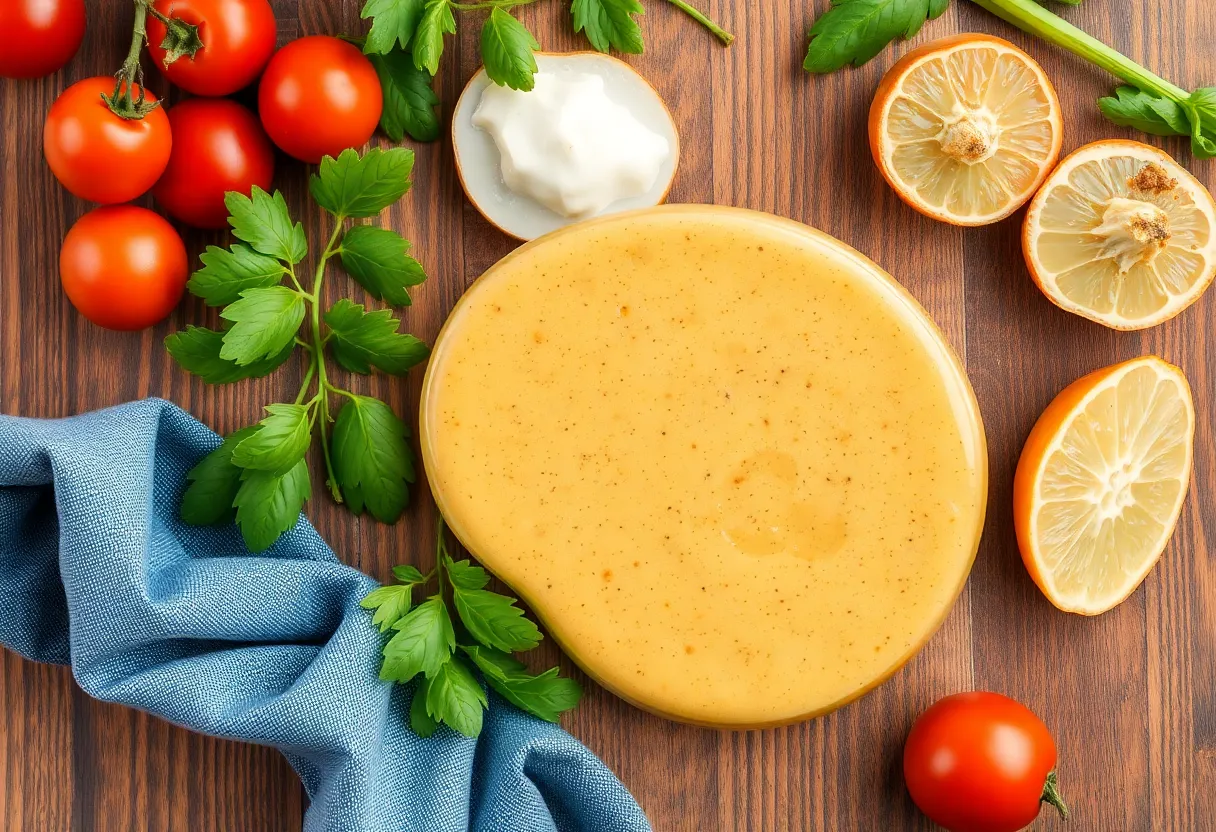
Homemade Healthy Dressings: Because Bottled Stuff is Basically Sugar Water
Store-bought dressings are a scam. You’re paying for a bottle of preservatives, sugar, and regret. Meanwhile, homemade dressings take five minutes, cost pennies, and make your salads actually edible.
Want to level up your greens without the guilt? Stop drowning them in processed gloop. Here’s how to make dressings so good, you’ll forget ranch ever existed.
Why This Recipe Slaps

Want to Cook Delicious Plant-Based Meals From Scratch But Have No Idea Where To Start?
This isn’t just another boring vinaigrette.
It’s creamy, tangy, and packed with flavor—no weird ingredients required. You control the sugar, salt, and quality of every component. Plus, it’s versatile enough to work on salads, bowls, or even as a marinade.
And yes, it’ll impress your friends (or at least your cat).
Ingredients You’ll Need
- Extra virgin olive oil – The backbone of any good dressing.
- Apple cider vinegar – For tang without the face-puckering effect.
- Dijon mustard – Adds depth and emulsifies everything like magic.
- Garlic – Because bland food is a crime.
- Honey or maple syrup – Just a touch to balance the acidity.
- Salt and pepper – Basic, but non-negotiable.
- Greek yogurt (optional) – For creaminess without the mayo guilt trip.
How to Make It: Step-by-Step
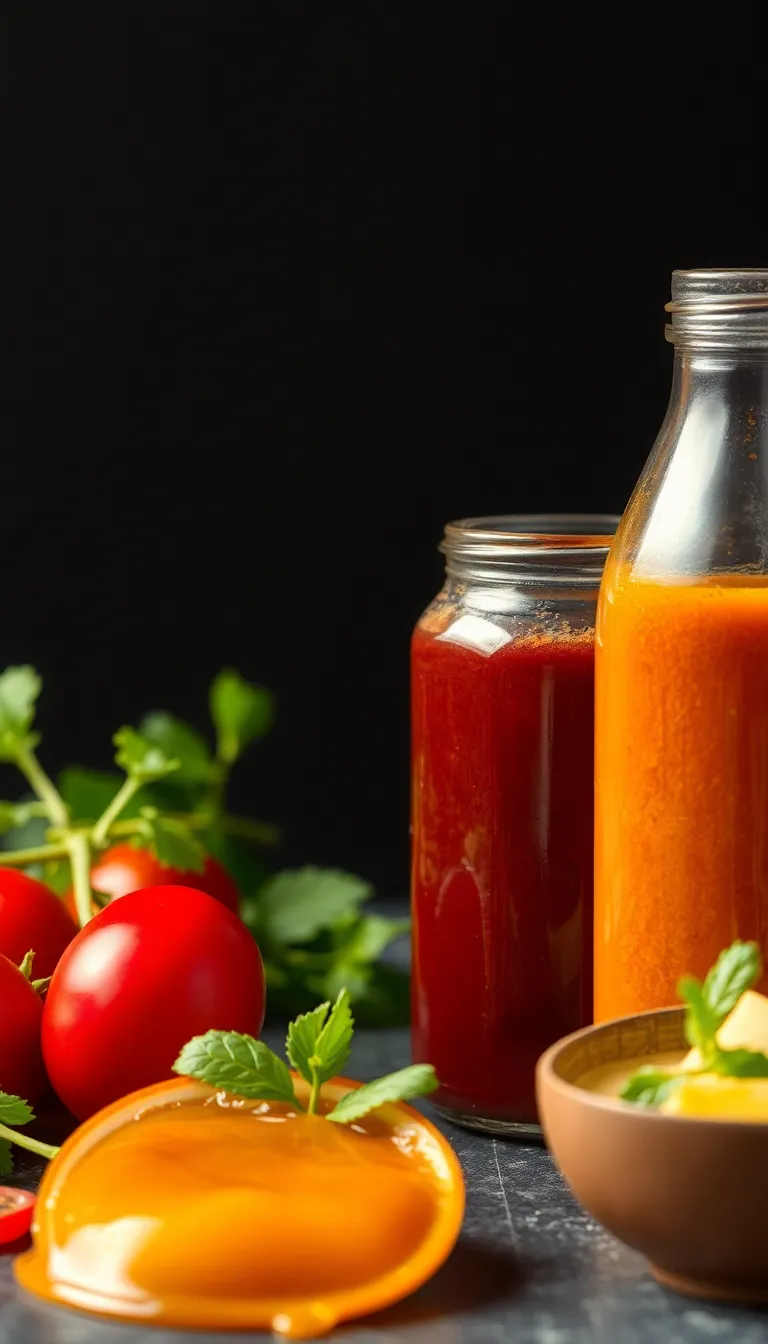
- Prep your tools. Grab a bowl and whisk, or just shake everything in a jar like a civilized person.
- Mix the wet ingredients. Combine olive oil, vinegar, and mustard. Whisk until it looks like it’s alive (emulsified, technically).
- Add flavor bombs. Toss in minced garlic, honey, salt, and pepper. Taste.
Adjust. Repeat until it doesn’t suck.
- Creamy version? Stir in Greek yogurt until smooth. Congrats, you just outdid store-bought ranch.
- Drizzle or drown. Use immediately or let it sit so the flavors can get to know each other.
Storage: Don’t Let It Die in Your Fridge
Store in an airtight container (a mason jar works).
It’ll last up to a week in the fridge. If it separates, shake it like it owes you money. Pro tip: Label it so no one mistakes it for a science experiment.
Why This Recipe is a Game-Changer
Want to Cook Delicious Plant-Based Meals From Scratch But Have No Idea Where To Start?
No hidden sugars, no unpronounceable chemicals, and no sad salads.
You get healthy fats from olive oil, gut-friendly acidity from vinegar, and total flavor control. Plus, it’s cheaper than buying a bottle of disappointment every week.
Common Mistakes to Avoid
- Overdoing the oil. Start with less—you can always add more.
- Using rancid oil. If your olive oil smells like crayons, toss it.
- Skimping on seasoning. Dressings need salt. Don’t be afraid.
- Not tasting as you go. Your future self will thank you.
Alternatives for the Adventurous

- Vinegar swap: Try balsamic, red wine, or lemon juice.
- Sweetener swap: Agave or date syrup works if you’re vegan.
- Creamy twist: Avocado or tahini for a dairy-free thickener.
- Herb it up: Fresh basil, cilantro, or dill take it to the next level.
FAQs
Can I use bottled lemon juice instead of vinegar?
Sure, if you enjoy the taste of regret.
Fresh lemon juice is infinitely better, but in a pinch, bottled works. Just expect a flatter flavor.
How do I fix a too-acidic dressing?
Add a bit more sweetener or oil. Or both.
Balance isn’t just a life goal—it’s a dressing goal.
Is Greek yogurt necessary for creaminess?
Nope. Avocado, tahini, or even blended cashews work great. Get creative (or lazy, we won’t judge).
Can I make a big batch and freeze it?
Hard no.
Freezing messes with the texture. Stick to fridge storage and use it within a week.
Why does my dressing taste bland?
You probably forgot salt. Or garlic.
Or both. Season aggressively—salads are forgiving.
Final Thoughts
Homemade dressings are stupidly easy, healthier, and taste like real food. Stop settling for bottled nonsense.
Whip this up once, and you’ll never go back. Your salads (and your waistline) will thank you.
Want to Cook Delicious Plant-Based Meals From Scratch But Have No Idea Where To Start?