Healthy Dessert Lifestyle Ideas
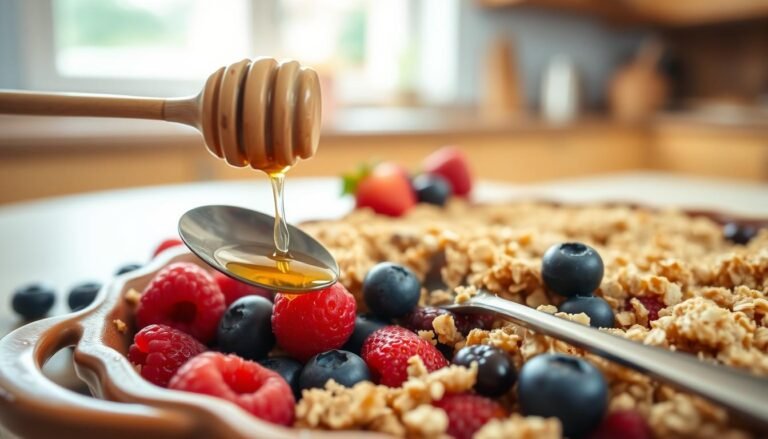
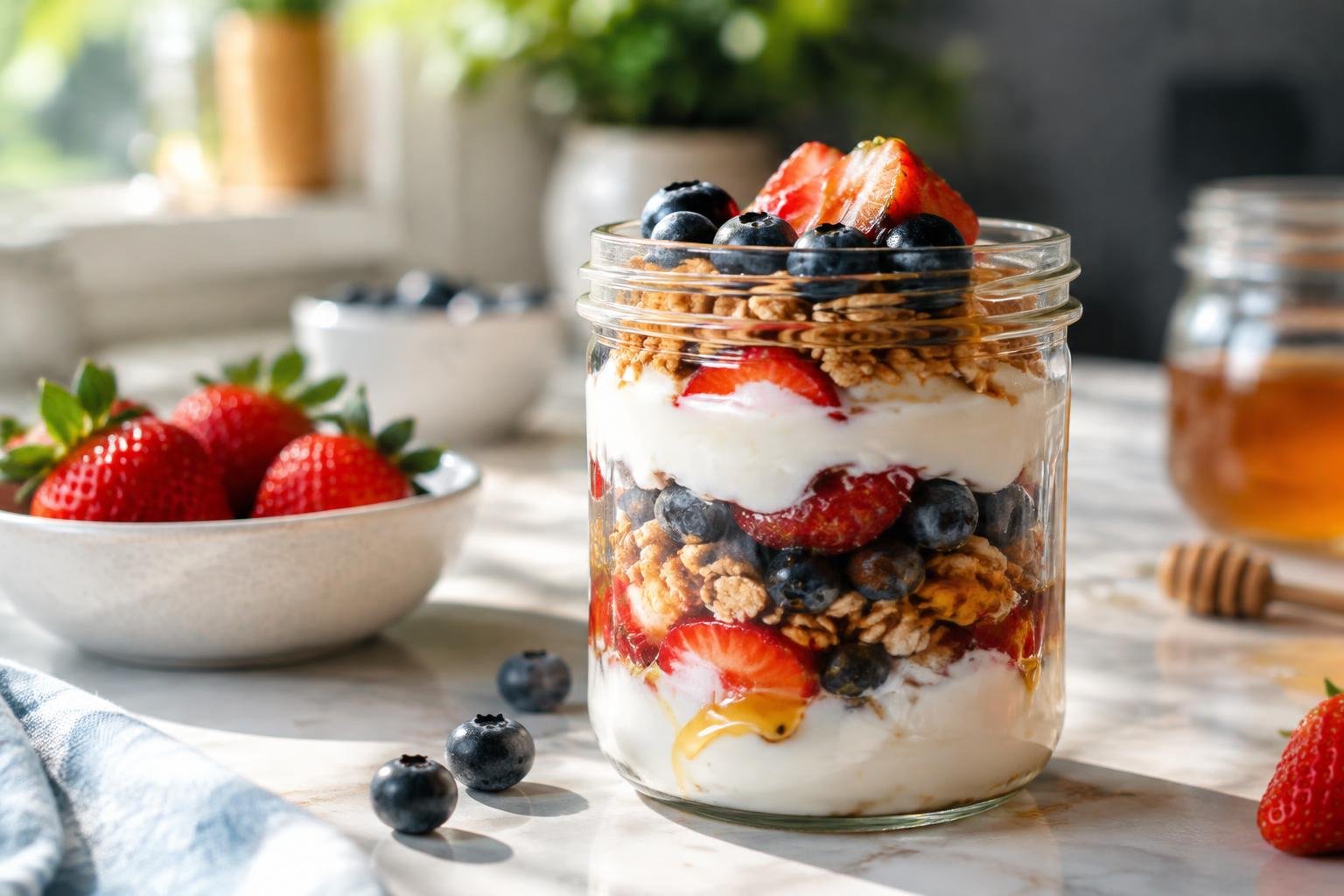
A satisfying dessert doesn’t have to mean choosing between flavor and feeling good. You can build sweet treats around everyday ingredients, like ripe bananas, plain yogurt, oats, or dark chocolate, while keeping portions and added sugar in mind. A bowl of berries with yogurt can be dessert, too – simple, enjoyable, and easy to fit into your routine.
Key Takeaways:
- Build dessert around familiar whole foods: try baked apples with cinnamon, or Greek yogurt topped with berries and a few chopped nuts.
- Small ingredient swaps can keep treats satisfying. Use mashed banana in muffins or add oats to a fruit crumble without expecting dessert to taste like something else.
- Plan for the way you actually eat: keep fruit and yogurt handy for a quick treat, or make a batch of chia pudding ahead for busy evenings.
What Makes a Dessert Actually Healthy?
A healthy dessert isn’t defined by one ingredient or a special label. You’ll get a clearer picture by looking at what’s in the whole serving and how it fits into the rest of your day. A bowl of berries with yogurt offers a different mix of nutrients and fullness than a large pastry, even though both can taste sweet.
Start with practical questions: Does the portion feel satisfying? Are there ingredients that add fiber, protein, or useful nutrients? And does the treat still taste good enough to enjoy? You don’t need every dessert to check every box. A small, thoughtfully chosen portion can make room for pleasure without turning dessert into a nutrition test.
Finding the balance between flavor, nutrition, and portion size
Flavor matters because a dessert that feels like a compromise may leave you reaching for more. Pairing sweetness with texture and a little richness can make a modest serving feel complete: think fruit with crunchy nuts, or cocoa with creamy yogurt. You’re aiming for satisfaction, not the most virtuous-looking ingredient list.
Portion size is part of that balance, too. Serve dessert in a small bowl rather than eating from a tub, and pause long enough to notice whether you’re enjoying it. A cookie alongside tea may hit the spot; several eaten while distracted can be less satisfying. Your appetite, activity, and the rest of your meal all shape what feels right.
- Choose ripe fruit for natural sweetness.
- Add cinnamon or citrus zest for extra aroma.
- Use a smaller plate for rich desserts.
- Keep toppings visible so you can judge the serving.
Rethinking sugar, fats, and “healthy” labels
Sugar isn’t automatically harmful, and honey or maple syrup still count as added sugars. If you’re comparing packaged desserts, check the ingredient list and serving size rather than relying on claims such as “natural” or “made with fruit.” A product can carry a wholesome label and still deliver plenty of sweetness in a small portion.
Fat deserves the same practical view. Nuts, seeds, and dairy can contribute flavor and nutrients, while butter and cream can make a dessert rich enough that a smaller serving satisfies you. You don’t have to strip out every source of fat or sweetness. Instead, notice how much is used and whether each ingredient earns its place in the taste and texture.
My Take on Easy Swaps That Still Taste Good
You don’t need to rebuild a dessert from scratch to make it feel a little lighter or more nourishing. A small change, like using mashed banana in a muffin or swapping some white flour for oats, can keep the familiar flavor while adding a different texture or a touch of natural sweetness. The best swaps work with the recipe, not against it: change one ingredient at a time, then see how the result tastes and bakes.
Pay attention to what makes a treat satisfying in the first place. If you love a chewy brownie, a dry, heavily altered version probably won’t hit the spot. Keep the cocoa and a little richness, and adjust the sweetener or flour instead. That way, you’re still choosing dessert you genuinely want to eat.
| Swap | Good fit | What to expect |
|---|---|---|
| Mashed banana for some sugar | Muffins, quick breads | Moist texture and fruity sweetness |
| Oats for some white flour | Crumble toppings, cookies | A heartier, slightly chewy bite |
| Greek yogurt for some butter | Loaf cakes, muffins | A tender crumb with a mild tang |
| Nut butter for some oil | Brownies, snack bars | A rich flavor and dense texture |
Use fruit, spices, and naturally sweet ingredients
Ripe fruit can do more than sit on top of dessert. Stir mashed banana into pancake batter, fold chopped dates into oat bars, or bake sliced apples with cinnamon until soft. These ingredients bring sweetness along with moisture, so you may be able to reduce added sugar without making the finished treat taste flat. Start with a modest change; fruit can alter both the texture and how quickly a recipe browns.
Cinnamon, cardamom, vanilla, and citrus zest make sweetness feel fuller without adding sugar. Try orange zest in a batch of shortbread or a pinch of cinnamon in warm pear slices. And if your berries are tart, a spoonful of maple syrup may be all they need. Taste as you go, since fruit ripeness varies from one kitchen to the next.
Try whole grains, yogurt, and nut butters
Replacing part of the refined flour with whole wheat pastry flour or finely ground oats gives cookies and muffins a heartier flavor. Keep some of the original flour at first; using only whole grain flour can make a tender cake feel dense. For a crisp topping, rolled oats mix easily with a little butter and brown sugar, adding crunch without changing the filling.
Plain yogurt can stand in for some of the butter or oil in a loaf cake, while peanut or almond butter adds richness to brownies and homemade bars. These swaps aren’t identical: yogurt brings moisture and a faint tang, and nut butter makes the crumb denser. So adjust gradually and check the bake with a toothpick. A spoonful of yogurt in banana bread is an easy first test.
Healthy Desserts You Can Make on a Weeknight
Weeknight sweets work best when you can make them with ordinary ingredients and little fuss. A ripe banana, a spoonful of cocoa, or a few berries can turn into dessert before the kettle boils. You don’t need a complicated recipe to make an everyday treat feel satisfying.
Keep the steps simple and adjust the sweetness to suit your taste. A little cinnamon can make warm fruit taste richer, while toasted nuts add crunch to a soft dessert. And when you’re short on time, choose something that’s ready to eat as soon as you assemble it.
No-bake bites, yogurt bowls, and fruit-based treats
For a quick no-bake bite, mash a ripe banana with oats, a spoonful of nut butter, and a pinch of cinnamon, then roll the mixture into small balls. If it feels sticky, add a little more oats; if it’s crumbly, mash in more banana. A bowl of plain yogurt becomes dessert with sliced pear, berries, or chopped dates, plus a few pumpkin seeds for crunch. You can also microwave a cored apple with cinnamon until tender, then top it with yogurt.
Try these small touches to make a fast treat feel finished:
- Dust warm fruit with cinnamon or cardamom.
- Add citrus zest to yogurt for a brighter flavor.
- Scatter chopped pistachios over a sliced peach.
- Stir cocoa into yogurt with a little mashed banana.
Simple baked desserts with nourishing ingredients
When you have a little time for the oven, baked fruit needs very little work. Halve a peach or pear, remove the pit or core, and roast it until soft; serve it with a spoonful of yogurt and a pinch of chopped walnuts. For a quick oat crumble, top sliced apples with oats, cinnamon, and a small amount of melted butter, then bake until the fruit bubbles at the edges. A single bowl and a small baking dish keep cleanup easy.
You can also make simple banana oat cookies by mashing ripe bananas with rolled oats and baking spoonfuls until set. Add raisins or a few dark chocolate chips for extra flavor. Since these treats rely on ripe fruit for much of their sweetness, taste the mixture before baking and add only what it needs.
What If You Have Dietary Needs?
Your dessert can fit your dietary needs without turning into a separate, complicated recipe. Start with what you need to avoid, then check each ingredient, including toppings and packaged add-ins. A label on chocolate chips or a baking mix may reveal milk, wheat, or traces of another allergen you weren’t expecting.
For a straightforward swap, try fruit baked with cinnamon, or choose a recipe built around ingredients you already use. If you’re cooking for someone else, ask which restrictions are medically necessary and how careful you need to be about cross-contact. That quick conversation can make the difference between a suitable treat and one that isn’t safe to serve.
Dairy-free, gluten-free, and plant-based ideas
For dairy-free baking, unsweetened soy or oat drink can replace milk in many muffins and quick breads; choose a product labeled gluten-free if that’s also a concern. Coconut cream works in some chilled desserts, though it brings a distinct flavor, while plant-based yogurt can add moisture to a simple loaf. For a fully plant-based treat, replace eggs with mashed banana in a dense brownie or a flax mixture in cookies, keeping in mind that texture may change.
Gluten-free flour blends are convenient, but they don’t always behave like wheat flour. A blend containing xanthan gum often gives cookies more structure, while almond flour creates a tender, denser result and isn’t suitable for anyone avoiding tree nuts. Check labels on oats, baking powder, and chocolate, too. A naturally suitable option, such as baked apples with cinnamon, may need fewer substitutions.
How to work around common allergens
When nuts are off the menu, use toasted pumpkin or sunflower seeds only if seeds are safe for the person eating; otherwise, add crunch with crisp rice cereal or roasted oats. For egg-free baking, applesauce can work in moist cakes, while aquafaba, the liquid from canned chickpeas, can be whipped for airy toppings. Neither swap suits every recipe, so test it with a small batch before serving guests.
Check ingredient labels every time, since brands can change recipes, and don’t rely on removing an allergen after baking. Use clean bowls, utensils, and trays, and keep safe ingredients apart from anything that could leave crumbs or residue. If someone has a serious allergy, ask them which precautions they need and follow their guidance; a sealed, clearly labeled treat may be safer than a homemade one.
| Dietary need | Possible dessert choice | Check before serving |
|---|---|---|
| Dairy-free | Plant-based yogurt loaf | Milk ingredients in chocolate or baking mixes |
| Gluten-free | Baked apples or a gluten-free flour recipe | Labels on oats, flour blends, and toppings |
| Egg-free | Moist cake made with applesauce | Whether the recipe’s texture suits the substitute |
| Nut-free | Fruit with crisp rice topping | Cross-contact warnings and shared equipment |
Make-Ahead Treats That Don’t Take Over Your Week
A little prep can put dessert within easy reach without turning your kitchen into a second job. Choose recipes that use familiar ingredients and don’t need much hands-on time; a tray of oat bars or a batch of baked apples can fit around dinner and everyday chores.
Keep the routine flexible. You might prep one treat on Sunday, then make something fresh later in the week if you feel like it. The aim is to have a few convenient options ready, not a long list of desserts to manage.
Freezer-friendly options and smart storage
Freezing works well for treats you can portion before storing. Cut brownies or oat bars into individual pieces, then place them in a freezer-safe container with parchment between layers so they don’t stick together. For smoothies or yogurt bowls, freeze berries in a single layer first; they’ll be easier to scoop into a serving later.
Label containers with the treat’s name and the date you froze it, and use airtight packaging to limit freezer burn. Move a portion to the fridge when you want it to thaw slowly, or follow the recipe’s guidance for serving from frozen. Keep nuts and crunchy toppings separate, since they can soften in storage.
A low-stress plan for keeping treats on hand
Pick one prep window that already suits your week, such as while a casserole bakes, and make just one recipe. A no-bake date and oat mixture, for example, needs little equipment and can be shaped into portions before chilling. If even that feels like too much, wash fruit or portion yogurt instead.
Use what you have before adding another batch to the plan. A quick check of the fridge and freezer can show whether you’ve got banana bread slices, frozen berries, or nothing ready at all. Keep the next step small and concrete:
- Write the recipe name on a freezer label.
- Set a container near the front of the freezer.
- Store toppings in a separate small jar.
- Add ripe fruit to your next grocery list.
Enjoying Dessert Without the Guilt Trip
Dessert can be part of a healthy routine without turning every bite into a test of willpower. You don’t need to earn a treat with exercise or make up for it by skipping something later. A relaxed choice leaves room for pleasure and for noticing what feels good in your body. If you want a cookie after dinner, have one and enjoy it; if you’re not especially interested, there’s no need to eat one just because it’s there. That flexibility matters on ordinary days, too, like sharing cake at a birthday or choosing a small scoop of ice cream on a warm evening. The aim isn’t to follow a perfect rule, but to make sweets feel like food you can enjoy without guilt or drama.
Different days call for different choices. You might want a little something after lunch, while another evening you’d rather have tea and call it done. Neither choice needs a label like “good” or “bad.”
Savoring treats and noticing when you’re satisfied
When you sit down with a dessert, give yourself a moment to actually taste it. Put your phone aside, take a bite of that brownie, and notice its texture and sweetness instead of eating on autopilot. Slowing down can make the experience more satisfying, whether you have one piece or decide you’d like another. There’s no need to count bites or use a strict portion rule. Your appetite and preferences can guide you.
Pause partway through and check in: are you still enjoying the flavor, or are you eating because the plate is there? You can stop when you feel comfortably satisfied, even if a little remains, or keep going if you’re still hungry and enjoying it. Satisfaction isn’t a number you have to hit. At a family dinner, for example, you might save the last few bites of pie for later simply because you’re full.
Building desserts into a balanced routine
A dessert routine doesn’t have to mean a treat every night, or saving sweets for a special occasion. You can choose what suits your day: a small piece of chocolate after lunch, fruit and yogurt when you want something lighter, or birthday cake with friends. Let hunger, enjoyment, and the situation shape the choice rather than a rule that says dessert is forbidden until the weekend.
It can also help to treat sweets as one part of eating, not as a reward for being “good” or a setback after a busy day. If you have a cookie at work, there’s no need to compensate by skipping your usual afternoon snack. And if you pass on dessert at dinner, you haven’t missed a test. A steady pattern leaves room for both nourishing meals and the occasional slice of cake.
| Situation | A relaxed choice | What to notice |
|---|---|---|
| After dinner at home | Have a cookie if you want one | Whether you’re enjoying each bite |
| At a birthday gathering | Choose cake, or pass if you prefer | Your appetite and interest |
| After a filling meal | Pause before deciding on dessert | Whether you feel comfortably satisfied |
| Craving something sweet | Pick a treat that sounds appealing | Whether it meets the craving |


To wrap up
A healthy dessert lifestyle isn’t about giving up brownies or turning every treat into a nutrition project. It’s about choices that fit your tastes and routine: Greek yogurt with berries on a busy evening, baked apples with cinnamon when you want something warm, or a small square of chocolate after dinner. You can use fruit, nuts, oats, or yogurt to add flavor and texture, while still enjoying desserts made with familiar ingredients. Some days, a simple swap will sound good; other days, the original recipe will be exactly what you want.
Pay attention to what leaves you satisfied, and let convenience count. Keeping frozen fruit on hand or preparing chia pudding ahead can make a sweet option easy to reach without demanding a full baking session. If you have allergies or dietary needs, check labels and choose ingredients that work for you. Dessert can be part of a balanced routine, not a test of willpower. Pick treats you genuinely enjoy, serve a portion that feels right, and move on with your evening.