Vegan Diet Friendly Recipes
A vegan meal can be as simple as lentils simmered with tomatoes or as comforting as creamy pasta made with blended cashews. When you cook without meat, dairy, or eggs, familiar ingredients like beans, grains, vegetables, nuts, and spices do much of the work. A well-planned recipe can bring satisfying flavor and texture to your plate.
Key Takeaways:
- Vegan recipes leave out meat, fish, dairy, eggs, and other animal-derived ingredients. For pancakes, that can mean swapping cow’s milk for soy milk and using mashed banana instead of egg.
- Beans, lentils, tofu, and chickpeas make filling meal starters. Try black beans in tacos, crispy tofu in a rice bowl, or lentils simmered into tomato sauce.
- Build flavor with herbs, spices, and savory ingredients. Garlic, smoked paprika, lemon juice, and a spoonful of miso can give roasted vegetables or soup more character.
- A satisfying plate can include a protein-rich food, a grain or other starch, and vegetables. Pair baked tofu with brown rice and broccoli, then add a quick sesame dressing.
- Simple swaps can make familiar dishes vegan. Coconut milk works in many creamy curries, while nutritional yeast adds a savory note to pasta and popcorn.
- Snacks and desserts have plenty of vegan options, too. Hummus with carrots is an easy savory bite; oats, peanut butter, and dates can become no-bake treats.
- Prep a few ingredients ahead to make busy meals easier. Cook a pot of lentils, wash greens, and roast a tray of vegetables to mix into bowls, wraps, or salads.
What Makes a Recipe Vegan, Anyway?
A vegan recipe leaves out ingredients that come from animals, including familiar foods such as butter and honey. That doesn’t mean you need a shelf full of specialty products. You can often build flavor and texture with pantry basics such as beans, grains, vegetables, nuts, and spices.
Reading labels takes a little practice, especially with packaged foods, but the ingredient list gives you a clear place to start. Once you spot common animal-derived ingredients, you can decide whether a simple substitute will work or whether a product is better left on the shelf.
Everyday ingredients to watch for
Milk, cream, cheese, butter, eggs, and honey are easy to recognize, but some animal ingredients show up in less obvious places. Worcestershire sauce often contains anchovies, while gelatin, made from animal collagen, can appear in sweets and desserts. If a label lists casein or whey, the product contains milk, even if it doesn’t taste creamy.
Packaged bread, crackers, sauces, and chocolate are worth a quick label check. Look for milk powder in dark chocolate or egg in fresh pasta, and check the allergen statement for milk and eggs. For a fast scan, keep an eye out for:
- Casein or whey in packaged snacks
- Gelatin in gummies and marshmallows
- Anchovies in some savory sauces
- Egg in fresh pasta and baked goods
Easy swaps for eggs, dairy, and meat
For baking, a tablespoon of ground flax mixed with water can stand in for one egg in many muffins or pancakes; give it a few minutes to thicken first. Mashed banana works in some sweet bakes, though it adds its own flavor. In savory dishes, crumbled tofu can replace scrambled eggs, while chickpea flour makes a sturdy batter for an omelet style filling.
Swap cow’s milk for unsweetened soy or oat milk in sauces and baking, and use olive oil or plant based butter in place of dairy butter. For a hearty texture, lentils, beans, or chopped mushrooms can take the place of ground meat in many recipes. Choose the swap that suits the job: lentils hold their shape in a thick sauce, while mushrooms bring a savory, browned edge.
My Go-To Vegan Meals for Any Time of Day
Some days call for a breakfast you can eat on the way out; others leave room to cook something warm. For lunch and dinner, a few dependable ingredients can turn into meals without much planning. Canned beans, tofu, oats, and frozen vegetables are handy starting points, and you can pair them with whatever fresh produce needs using up.
Keep the flavors flexible, too. A squeeze of lemon, a spoonful of salsa, or a little curry paste can take familiar ingredients in a different direction. That makes it easier to work around your schedule, whether you’ve got ten minutes before a morning meeting or a pot of rice already on the stove.
Quick breakfasts that actually keep you full
For a fast breakfast with staying power, make overnight oats with soy milk, chia seeds, and peanut butter. The oats and seeds thicken as they chill, while the peanut butter adds richness; top your bowl with banana in the morning. If you prefer something savory, mash seasoned tofu with turmeric and black pepper, then warm it in a skillet with spinach. Tuck it into toast or a tortilla, and you’ve got a warm meal without much fuss.
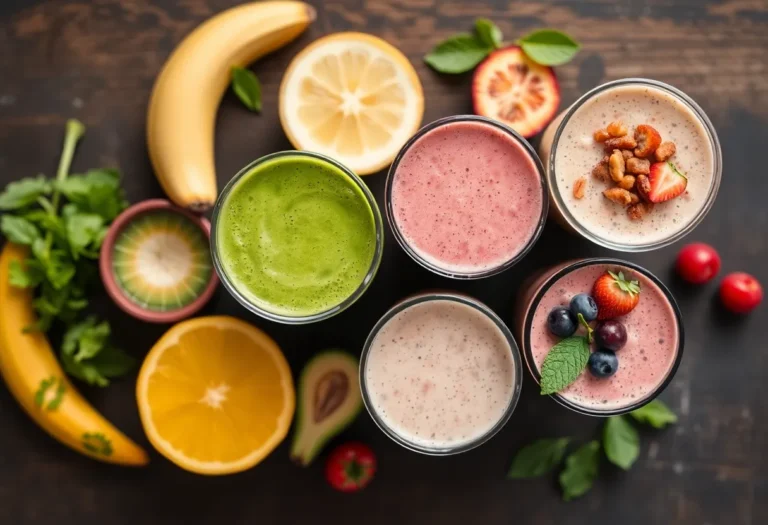
On slower mornings, blend silken tofu into a smoothie with berries, oats, and soy milk for a creamy texture and a more substantial drink. Or batch cook oatmeal and reheat a portion with a splash of milk. Add chopped walnuts or pumpkin seeds just before serving so they stay crisp, and keep frozen berries on hand for a quick, no-chopping topping.
Easy lunches and dinners for busy days
A rice bowl is easy to adapt to what’s in your kitchen: start with cooked rice, add edamame or black beans, then pile on shredded cabbage and a dressing of tahini, lemon, and water. For a warm option, toss chickpeas and chopped vegetables with curry paste and canned coconut milk, then simmer while your rice cooks. Both meals use pantry staples and leave room for swaps, such as frozen peas instead of edamame.
When you need dinner with little cleanup, roast cubed tofu and broccoli on one sheet pan, seasoning them with soy sauce, garlic, and a touch of maple syrup. Serve them with noodles or a baked potato. At lunch, leftover roasted vegetables make a useful filling for a wrap with hummus, or you can stir them into lentil soup. Cook an extra portion of rice or lentils, and tomorrow’s meal is halfway ready.
| Meal | Quick base | Simple addition |
|---|---|---|
| Breakfast | Overnight oats | Peanut butter and banana |
| Lunch | Rice bowl | Beans, cabbage, tahini dressing |
| Dinner | Sheet pan tofu | Broccoli and noodles |
Snacks and Sweet Treats You’ll Want to Make Again
A good snack should be easy to reach for and worth looking forward to. Keep a few quick ideas in rotation, and you can answer a salty or sweet craving without turning the kitchen upside down. Some options take only a minute; others are handy to make ahead for a busy afternoon.
Small details make these bites feel special: a squeeze of lime, a pinch of cinnamon, or a little crunch on top. Try a few combinations and keep the ones you’d happily make again.
Savory snacks for between meals
When you want something salty, roasted chickpeas are an easy win: toss them with oil, smoked paprika, and salt, then bake until crisp. They’re good straight from the tray, though they’ll soften if stored before they cool completely. For a no-cook option, spread hummus on cucumber rounds or tuck it into a small pita with sliced peppers. A handful of olives alongside makes the snack feel more substantial.
Try these simple add-ons when you’re putting together a quick bite:
- Dust popcorn with nutritional yeast.
- Serve edamame with flaky salt and lemon.
- Pair crackers with mashed avocado and chili flakes.
- Fill celery sticks with peanut butter and raisins.
Vegan desserts without the fuss
For a fast sweet bite, mash a ripe banana with a spoonful of cocoa powder and chill it until thick. It won’t have the exact texture of pudding, but it hits the chocolate craving with little effort. You can also dip strawberries in melted dark chocolate; check the label for milk ingredients, then let them set on parchment. A sprinkle of chopped pistachios adds a pleasing crunch.
On cooler days, bake apples with cinnamon and a splash of maple syrup until tender. Or stir berries into dairy free yogurt and finish with granola just before serving, so it stays crisp. These desserts are forgiving: use the fruit you have, adjust the sweetness to taste, and serve a small bowl when you want something simple.
How to Build a Satisfying Vegan Plate
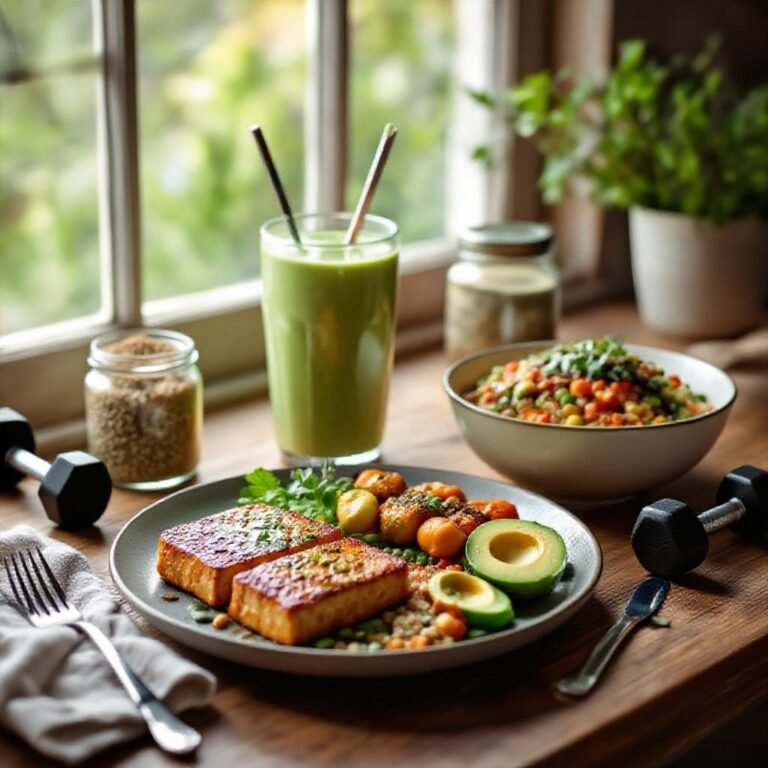
A filling plate gives you more than one texture and a mix of nutrients, so lunch doesn’t leave you rummaging for a snack an hour later. Pair a hearty base, such as brown rice or potatoes, with vegetables and a source of protein; then add something bright or tangy to bring the flavors together. For example, roasted broccoli, rice, and crispy tofu feel more complete with a squeeze of lime.
Fiber from beans, lentils, vegetables, and whole grains adds staying power, while variety keeps everyday meals from feeling like a formula. You can use the same simple balance with different ingredients: try lentils and greens over farro one day, then chickpeas with roasted vegetables and couscous another. A little crunch from seeds or chopped cabbage can make the plate more inviting, too.
| Plate element | Everyday options | What it adds |
|---|---|---|
| Protein | Tofu, lentils, chickpeas | Substance and staying power |
| Fiber rich base | Brown rice, oats, potatoes | Heartiness and texture |
| Vegetables | Broccoli, greens, cabbage | Color and variety |
| Finishing touch | Lime, herbs, seeds | Freshness, crunch, or tang |
Plant-based protein sources that do the job
Beans and lentils are easy to work into familiar meals: stir white beans into tomato soup, spoon black beans into a grain bowl, or serve lentils over roasted sweet potatoes. Tofu and tempeh offer another satisfying option, and both take on the seasonings around them. Press tofu, tear it into bite sized pieces, and roast until the edges turn golden; crumble tempeh into a skillet with garlic and soy sauce.
For a quick meal, pair a protein rich ingredient with a grain or starchy vegetable and a generous serving of produce. Chickpeas work well with couscous, cucumber, and tomatoes, while edamame can round out noodles with shredded carrots. Nuts, seeds, and peanut butter contribute protein too, though they’re often best used as part of a meal rather than its only protein source. Mix and match to find combinations you genuinely enjoy.
Add flavor with sauces, spices, and fresh herbs
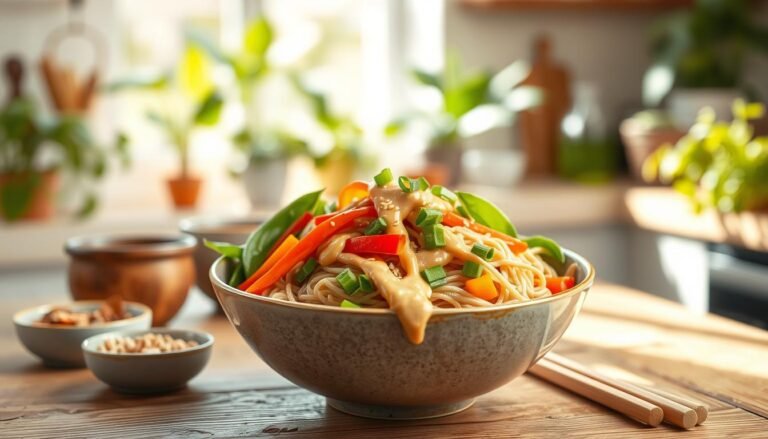
A good sauce can make simple ingredients taste like a proper meal. Stir tahini with lemon juice and enough water to make it pourable, or combine peanut butter, soy sauce, lime, and a splash of warm water for a quick noodle dressing. Add the liquid gradually; tahini thickens before it loosens, so a little patience gets you a smooth sauce instead of a stubborn paste.
Spices bring warmth and depth, while fresh herbs add a bright finish. Cumin and smoked paprika suit roasted chickpeas, and curry powder gives lentils an easy, savory base. Finish a bowl with chopped cilantro, parsley, or mint, depending on what you’re serving. A pinch of salt and a squeeze of lemon can wake up beans or vegetables that taste flat, so taste as you go and adjust before the plate reaches the table.
Meal Prep That Makes Vegan Eating Easier
A little planning can make weekday meals feel far less like a scramble. Pick a few ingredients that work across different dishes, then decide when you’ll use them: roasted vegetables can go into a grain bowl one day and a wrap the next.
You don’t need to cook every meal in advance. A couple of ready-to-use staples, plus a clear spot in the fridge for them, can make it easier to put lunch or dinner together when you’re tired.
Prep ingredients ahead to save time
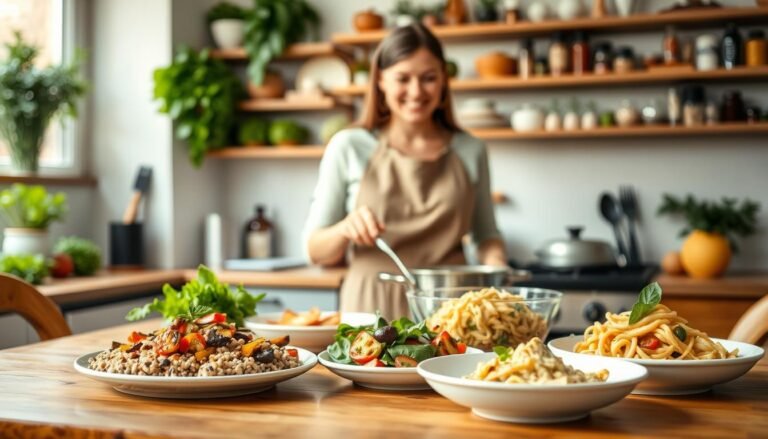
Choose ingredients that can serve more than one meal, and prep only what you’re likely to use. Rinse greens, chop carrots and bell peppers, and cook a pot of lentils or rice. Keep components separate so you can combine them in different ways instead of facing the same assembled meal each day.
Set aside a short prep window after shopping, and make a simple plan for the ingredients you’ve bought. For example, portion cooked grains into meal-sized containers and keep washed herbs wrapped in a slightly damp towel. A small list on the fridge can help you use delicate produce first and save sturdier vegetables, such as cabbage, for later in the week.
- Keep a can opener near your canned beans.
- Label containers with the prep date.
- Store dressing in a small, separate jar.
- Put the next day’s lunch at eye level.
Store leftovers so they stay tasty
Let cooked food cool before covering and refrigerating it, and use shallow containers so larger portions chill evenly. Store wet and crisp ingredients apart: keep salsa away from salad greens, and pack toasted seeds separately from a grain bowl. Add those toppings just before you eat.
Use clear, airtight containers so you can see what’s ready without opening every lid. Mark each one with its contents and prep date, then place older portions toward the front. If you’ve made more than you’ll use soon, freeze individual servings of soups, stews, or cooked beans; leave room at the top of each container for expansion.
The Real Deal About Vegan Recipe Mishaps
A vegan meal that misses the mark usually needs a small adjustment, not a whole new recipe. A spoonful of tahini can soften a sharp sauce, while a squeeze of lemon may wake up lentils that taste dull. Texture can be just as easy to fix: crisp chickpeas in a hot pan, or add a little broth if a stew has turned too thick. Your best clue is the dish itself. Taste it, notice what feels missing, then change one thing at a time so you can tell what worked.
Some fixes depend on timing, too. Salt added early helps season beans throughout, but fresh herbs stirred in at the end keep their bright flavor. And if tofu seems soggy, pressing it before cooking gives it a better chance to brown. Small choices like these can turn an almost-there dinner into one you’ll happily make again.
Fix meals that taste a little flat
Start with a small pinch of salt, then taste again; beans, grains, and vegetables often need more seasoning than you expect. If the dish still feels dull, add brightness with lemon juice, lime, or a splash of vinegar. A pot of lentil soup, for example, may come alive with a squeeze of lemon just before serving. Add acidic ingredients gradually, since too much can make the whole bowl taste sharp.
For deeper flavor, try a spoonful of miso, soy sauce, or tomato paste, depending on the recipe. A little toasted cumin or smoked paprika can bring warmth, while chopped parsley or cilantro adds freshness. Stir in one addition at a time and give it a minute to mingle before tasting. That way, you won’t mask the vegetables or turn a subtle sauce into a salt bomb.
Get better texture from tofu, beans, and vegetables
Tofu browns best when its surface is dry. Press firm tofu under a clean towel, cut it into cubes, and leave space between the pieces in a hot pan; crowding traps steam and keeps the edges soft. A light coating of cornstarch can add a crisp shell. For silky tofu, though, skip the pressing and fold it gently into a curry near the end of cooking.
Beans can turn mushy if you stir them hard, so fold them into soups and salads with a light hand. For crisp vegetables, spread them across a baking sheet rather than piling them up, and roast until the edges are browned. If roasted broccoli comes out limp, use a hotter oven next time and cut the florets into similar sizes.
| Ingredient | Common texture issue | Quick adjustment |
|---|---|---|
| Firm tofu | Soggy, pale cubes | Press dry and leave space in the pan |
| Beans | Mushy pieces | Fold in gently near the end |
| Broccoli | Soft, limp florets | Spread out and roast until browned |


To wrap up
Vegan recipes can fit into your everyday routine without turning dinner into a project. A pot of lentil soup, tofu tossed with vegetables, or oats topped with fruit can give you simple, satisfying starting points. You don’t need specialty ingredients for every meal, either: beans, grains, frozen vegetables, nuts, and familiar seasonings can do plenty of work. As you cook, pay attention to what keeps you full and what you genuinely enjoy eating. That might mean adding chickpeas to a salad or serving rice alongside a spicy vegetable curry.
Keep a few dependable meals in rotation, then try a new recipe when you have the time and energy. If a dish falls flat, adjust the seasoning, texture, or cooking time next time around. Building a varied routine is easier when you plan for practical details, like preparing extra beans or chopping vegetables ahead. Your best vegan meals won’t be the ones with the longest ingredient lists; they’ll be the ones you’re glad to make again.