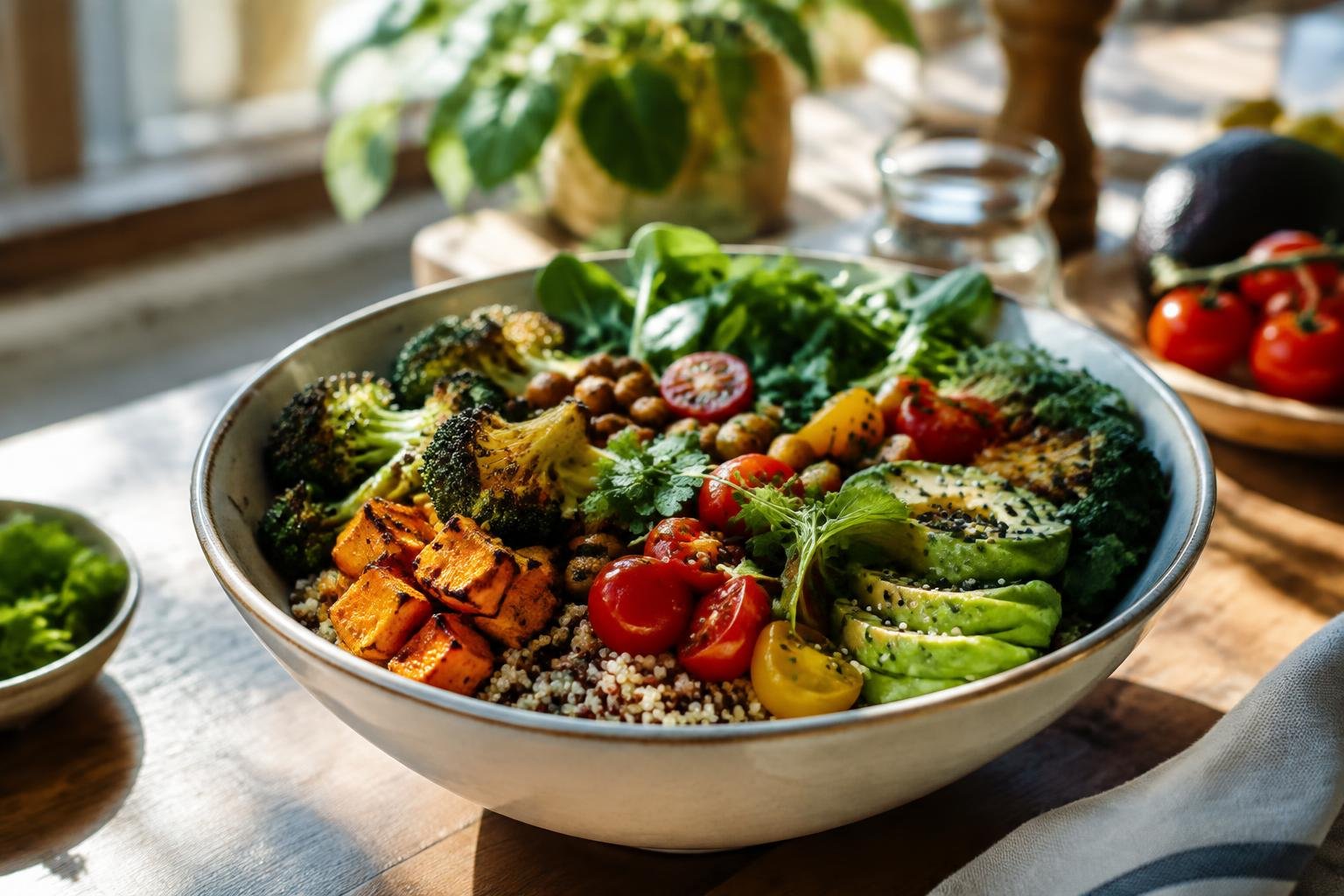
Healthy Veggie Home Cooking
A pan of onions, peppers, and chickpeas can turn a busy evening into a satisfying meal without complicated steps. When you cook vegetables at home, you choose the ingredients, seasonings, and cooking method, making it easier to build balanced dishes around what you enjoy. Even a handful of spinach stirred into soup adds color, texture, and nourishment.
Key Takeaways:
- Build meals around vegetables you enjoy, then add a satisfying protein and grain. Roasted broccoli with chickpeas and brown rice is an easy place to start.
- Keep useful basics on hand, such as frozen peas, canned beans, garlic, olive oil, and whole grains. They make a quick veggie dinner possible even when the fridge is nearly empty.
- Choose a cooking method that suits the vegetable: roast carrots for browned edges, steam green beans until tender, or sauté spinach with garlic for a fast side.
Why Veggie-First Cooking Is Worth It
Making vegetables the starting point of a meal can shift your plate toward more fiber, color, and variety without turning dinner into a project. A bowl of lentil soup with carrots and greens, for instance, brings vegetables together with filling protein and a warm, savory broth. That mix can help you feel satisfied, while the vegetables contribute nutrients your body uses every day.
There’s a flavor payoff, too. Vegetables bring sweetness, earthiness, crunch, and freshness, so meals needn’t rely on a heavy sauce to feel complete. A few different textures can make even a simple plate more inviting: think soft roasted squash beside crisp cabbage slaw. And when vegetables take up more room, you get to enjoy a wider range of tastes in ordinary meals.
What a veggie-rich plate can do for you
Vegetables supply fiber, which supports digestion and can make meals feel more filling. Pairing them with beans, eggs, fish, or tofu gives you a satisfying plate with a mix of nutrients and textures. For a quick lunch, try adding shredded cabbage and grated carrot to a chickpea wrap; the vegetables add crunch, while the chickpeas bring protein and fiber.
Different colors often signal different plant compounds, so variety is a useful everyday aim, not a rule you need to track. Add leafy greens to a pasta bowl one night, then choose red peppers or sweet potatoes another day. A veggie-rich plate can also make familiar meals feel fresher, whether you fold spinach into scrambled eggs or pile sliced tomatoes onto toast.
How to make vegetables taste seriously good
Good flavor starts with contrast. A squeeze of lemon can brighten sautéed greens, while a spoonful of yogurt cools spicy roasted cauliflower. Toasted nuts add crunch to tender vegetables, and fresh herbs bring a lively finish to beans or soup. Try one small addition at a time; you’ll quickly notice how acidity, creaminess, and texture change a dish.
Seasoning matters, too. Salt draws out flavor, and spices such as cumin, smoked paprika, or black pepper can give vegetables a deeper, warmer taste. Finish a bowl of roasted carrots with chopped parsley, or stir garlic and olive oil into steamed broccoli. For a little tang, add pickled onions to a grain bowl just before serving.
- Scatter sesame seeds over green beans.
- Stir chopped dill into cucumber salad.
- Add orange zest to roasted beets.
Stocking a Kitchen That Makes Healthy Cooking Easier
A useful kitchen isn’t the one with every gadget or an overflowing pantry. It’s the one where you can find what you need without turning dinner into a scavenger hunt. A few reliable ingredients and tools can take the friction out of meals: a can of beans for a quick lunch, a sharp knife for chopping, and containers that keep leftovers easy to spot.
Set things up around how you actually cook. If you make salads most days, keep a salad spinner within reach; if you often forget what’s in the fridge, store produce in clear containers. Small choices like these save time on a busy evening, when even rinsing greens can feel like one task too many.
My go-to fresh, frozen, and pantry staples
Fresh staples depend on what you’ll use before they fade. You might keep carrots, onions, cabbage, and lemons on hand because they last well and fit into lots of meals. Add a tender green or a bunch of herbs when you’ve got a plan for them. Frozen peas, spinach, and broccoli are handy backups; they’re ready when fresh produce runs out, and you can take only what you need.
In the pantry, stock canned beans, lentils, tomatoes, oats, brown rice, and pasta, plus olive oil, vinegar, and a few spices you enjoy. Choose low sodium canned beans if that suits your needs, or rinse them before using. A jar of peanut butter and a bag of nuts can round out quick meals, too. Buy staples you already know how to use, not ingredients that look impressive but sit untouched.
| Type | Useful staples | Why they earn space |
|---|---|---|
| Fresh | Carrots, onions, cabbage, lemons | Last well and work in many meals |
| Frozen | Peas, spinach, broccoli | Keep as ready-to-use backups |
| Pantry | Beans, lentils, tomatoes, rice | Make filling meals possible without a shop |
The basic tools I actually use
A sharp chef’s knife handles most chopping, while a small paring knife is useful for trimming or peeling. Pair them with a sturdy cutting board that doesn’t slide around; a damp towel underneath can help hold it steady. You’ll also get plenty of use from a vegetable peeler, a colander, and a can opener. None needs to be fancy. A comfortable handle and easy cleanup matter more than a matching set.
Keep a large skillet, a medium saucepan, and a rimmed baking sheet within reach, along with a wooden spoon and a sturdy spatula. Measuring cups and spoons are useful when you’re following a recipe, while a box grater makes quick work of carrots or cheese. If counter space is tight, choose tools that serve more than one job and store them where you can grab them without emptying a drawer.
What’s the Best Way to Cook Your Veggies?
Your vegetables taste best when the cooking method suits their shape and texture. A sturdy carrot can handle heat for longer than a tender handful of spinach, while mushrooms need room in the pan to brown instead of steam. Pay attention as you cook: color, smell, and a quick taste tell you more than the timer alone.
Keep the goal simple: tender vegetables with a little character, not limp or buried under sauce. A few minutes of care can bring out sweetness in cabbage or keep broccoli pleasantly crisp. And if one batch turns out softer than you hoped, adjust the heat or cooking time next round.
Roasting, steaming, sautéing, and more
Roasting gives cauliflower, carrots, and squash browned edges and a concentrated, sweet flavor. Cut pieces to a similar size, spread them out on the pan, and turn them once so they cook evenly. For green beans or broccoli, steaming keeps the color bright; check early and stop when a fork slips in with a little resistance. Sautéing works well for quick-cooking vegetables such as zucchini, peppers, and spinach. Use a hot pan and stir now and then, rather than constantly, so the surfaces can brown.
Different vegetables can share a meal without sharing a cooking time. Add dense pieces first, then toss tender ones into the pan near the end. A splash of water and a lid can soften stubborn stems, but take the lid off promptly to keep them from going soggy. Try these small cues:
- Cut potatoes into smaller pieces than bell peppers.
- Give mushrooms space so their moisture can evaporate.
- Pull asparagus from the heat while its tips still hold shape.
- Stir leafy greens in last; they wilt quickly.
Seasoning without drowning out the vegetables
Start with salt, a little oil, and heat; you can always add more, but you can’t take it back. Salt can bring out the sweetness of tomatoes or zucchini, while a squeeze of lemon after cooking brightens peas and broccoli. Add delicate flavors at the right moment: garlic can turn bitter if it sits too long in a hot pan, so stir it in near the end. For roasted vegetables, toss them lightly with oil so their surfaces coat without becoming greasy.
Build flavor in small layers rather than reaching for a heavy sauce. Try cumin on carrots, black pepper on mushrooms, or chopped parsley over roasted potatoes. A spoonful of toasted sesame seeds adds crunch to steamed greens, and a little vinegar can balance the richness of sautéed eggplant. Taste before serving, then adjust with a pinch of salt, a few drops of citrus, or fresh herbs. Your vegetables should still taste like themselves.
Making Weeknight Veggie Meals Happen
A little planning takes the edge off the 6 p.m. question: what can you make with what’s on hand? Pick a few flexible ingredients, then give them different jobs across the week. A pot of brown rice might sit under roasted vegetables one night and join beans and greens in a quick skillet the next. You don’t need a rigid menu; a loose plan leaves room for a tired-day omelet or a change of appetite.
Think in building blocks rather than complete recipes. Keep a grain, a protein-rich food, and two vegetables in mind, then decide how you’ll bring them together when you cook. If Monday runs late, frozen peas, canned chickpeas, and couscous can still make a balanced dinner without much chopping.
A simple plan for shopping and prepping
Before you shop, check the fridge and pantry, then choose a few ingredients that can work in more than one meal. For example, buy spinach for a pasta skillet and a bean bowl, and carrots that can be grated into wraps or roasted beside tofu. Add a grain such as barley or rice, plus convenient options like canned lentils or frozen broccoli. That mix gives you choices without asking you to plan every bite in advance.
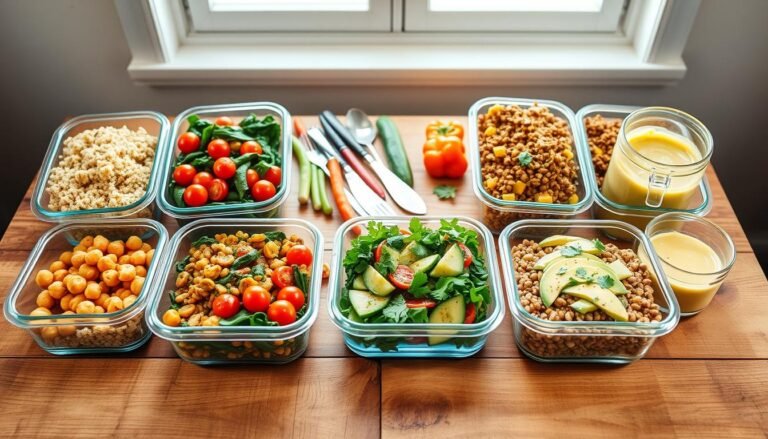
When you get home, wash sturdy produce, cook a batch of grains, and store each item separately so it’s easy to combine later. Slice peppers or cabbage if you’ll use them soon, but leave delicate greens whole until needed. A container of cooked rice and a jar of rinsed beans can turn into dinner quickly; keep leftovers chilled and use them within a few days.
Easy ways to build a satisfying plate
Start with vegetables, then add a filling protein and a grain or other starchy food. You might pair roasted cauliflower with chickpeas and bulgur, or serve sautéed greens and mushrooms over potatoes with a fried egg. The exact portions can shift with your appetite, but include enough protein and starch to make the meal feel like dinner, not a side dish with good intentions.
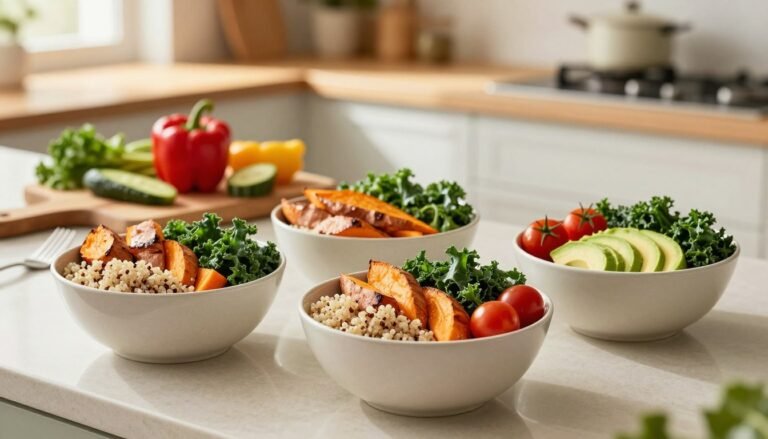
A sauce or crunchy topping can tie the plate together without much extra work. Stir lemon juice into tahini, spoon salsa over black beans and rice, or finish a bowl with toasted seeds. Keep a simple formula in mind: something tender, something hearty, and a bright or crisp element. A warm lentil bowl with roasted squash, parsley, and a splash of vinegar is one easy example.
| Meal building block | Quick options | Weeknight example |
|---|---|---|
| Vegetables | Frozen broccoli, spinach, cabbage | Broccoli with rice and beans |
| Protein | Chickpeas, lentils, eggs, tofu | Chickpeas with roasted cauliflower |
| Grain or starch | Rice, couscous, potatoes | Potatoes with greens and an egg |
| Finishing touch | Lemon tahini, salsa, vinegar | Vinegar over squash and lentils |
Healthy Veggie Meals I Keep Coming Back To
Your most useful vegetable meals are the ones you can make without a strict recipe. Keep a few reliable combinations in mind, then swap in what’s fresh or already waiting in the fridge. A handful of greens can disappear into eggs; roasted vegetables can fill a grain bowl; sliced cucumber adds crunch to a quick snack.
Think in building blocks rather than fixed dishes. Choose a vegetable, add something satisfying, and bring it together with a sauce or seasoning you enjoy. That little bit of flexibility makes it easier to cook for one, feed a family, or use up half a bell pepper before it gets forgotten in the crisper drawer.
Breakfasts and lunches packed with vegetables
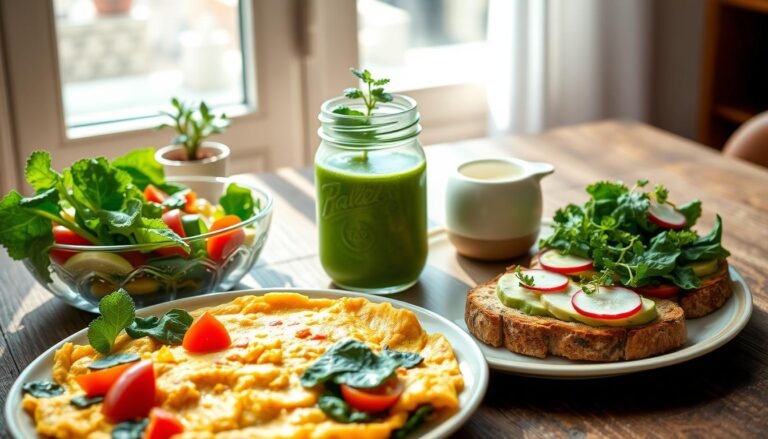
For breakfast, fold chopped spinach, mushrooms, or leftover roasted peppers into scrambled eggs, or pile them onto toast with mashed avocado. If you prefer something you can grab on the way out, bake a batch of egg muffins with diced vegetables and reheat one when the morning gets busy. A bowl of savory oats with scallions and wilted greens makes a comforting change from sweet toppings, too.
Lunch can be just as flexible. Tuck shredded cabbage, grated carrot, and cucumber into a wrap with hummus, or spoon roasted vegetables over rice with a squeeze of lemon. Got leftover broccoli? Chop it into a quick chickpea salad with herbs and a little olive oil. Keep a washed container of greens ready, and you can turn soup, beans, or last night’s vegetables into a filling midday meal.
Easy dinners and snacks for busy days
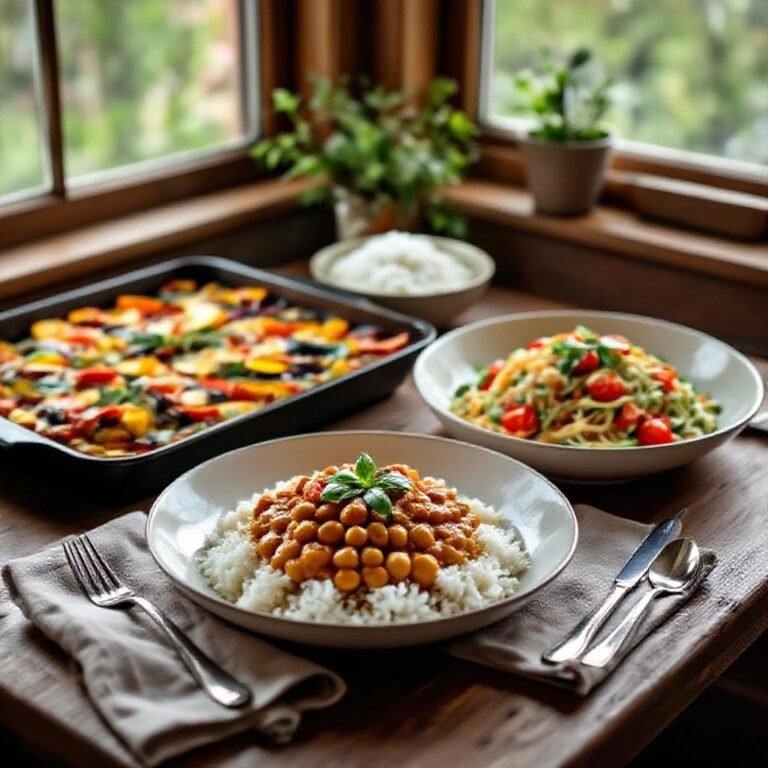
On a rushed evening, let a sheet pan do most of the work: spread out cauliflower, onions, and chickpeas, season them, and roast until tender and browned. Serve the mixture with warm flatbread or rice, plus yogurt or a favorite dressing. For an even quicker option, stir frozen peas and spinach into tomato sauce while pasta cooks. Dinner doesn’t need a complicated plan to feel complete.
Snacks are a good place for crisp, ready-to-eat vegetables. Pair bell pepper strips with hummus, or keep cherry tomatoes beside a piece of cheese for an easy plate between meals. When you’ve got a little more time, make a small batch of herbed white bean dip and serve it with celery or radishes. A few dependable choices can make a busy day feel less like a scramble.
- Keep lemons handy for a quick squeeze of brightness.
- Store fresh herbs with stems in a glass of water.
- Use a box grater for fast carrot and zucchini prep.
The Real Deal About Special Diets and Food Safety
Dietary needs can change how you shop, season, and serve a vegetable meal, but they don’t have to turn dinner into a separate cooking project. A few thoughtful swaps can keep the same base meal on the table: roast vegetables and rice, for example, can suit several diners with different toppings.
Food safety matters just as much as the recipe. Fresh produce can carry dirt and germs from the field, shop, or kitchen counter, so clean hands, sound storage, and a little care with knives and boards belong in your routine. Small habits make a practical difference.
Making meals work for different diets
Start with the ingredients each person can eat, then build flavor with herbs, spices, citrus, and suitable sauces. For a gluten free meal, serve a bean and roasted vegetable bowl over rice, and check packaged broth or seasoning blends for wheat. If someone avoids dairy, add tahini or olive oil instead of butter or cheese. A meal built from separate components lets everyone choose what works without cooking two dinners.
Allergies call for more than a simple swap. Read labels each time you buy a packaged ingredient, since recipes and manufacturing practices can change, and keep utensils clean when preparing allergen free portions. If you’re cooking for someone with a serious allergy, ask which ingredients and cross contact risks they need you to avoid. A clearly labeled container of plain roasted vegetables can be a handy starting point.
| Dietary need | Practical meal choice | What to check |
|---|---|---|
| Gluten free | Rice with beans and roasted vegetables | Broth, sauces, and seasoning labels |
| Dairy free | Vegetables finished with tahini or olive oil | Packaged dressings and toppings |
| Food allergy | Plain vegetables served with verified safe sides | Labels, utensils, and food contact surfaces |
Washing, storing, and using produce safely
Rinse fresh produce under clean running water before you cut or peel it, even when the skin won’t be eaten; a knife can carry surface dirt inside. Rub firm items such as cucumbers and potatoes with your hands, and use a clean produce brush for sturdy skins. Skip soap and household cleaners. For leafy greens, separate the leaves and rinse them well, then dry them with a clean towel or salad spinner.
Keep raw vegetables away from raw meat, poultry, and seafood, using separate boards or washing the board and knife thoroughly between tasks. Refrigerate cut produce promptly in a clean, covered container, and store items that need chilling at a safe refrigerator temperature. Toss vegetables that are slimy, moldy, or smell off rather than trimming around the spoiled spot. A clean shelf and a labeled container make leftovers easier to check.


To wrap up
Healthy veggie home cooking doesn’t have to mean complicated recipes or a spotless kitchen. You can roast a tray of carrots and broccoli, toss them with chickpeas and a simple dressing, and have a satisfying meal with very little fuss. Keep a few useful staples on hand, such as beans, whole grains, olive oil, and frozen vegetables, and you’ll have options even on a busy evening. The best choice is usually the one you’ll actually make and enjoy.
Pay attention to how different cooking methods change a vegetable’s texture and flavor: sautéed greens cook quickly, while roasting brings out sweetness in cauliflower or squash. Build meals around variety, and adjust ingredients to suit your appetite, budget, and dietary needs. You don’t need to follow a perfect plan. A bowl of leftovers with an extra handful of spinach still counts as home cooking, and small choices like that can make vegetables a familiar part of your table.