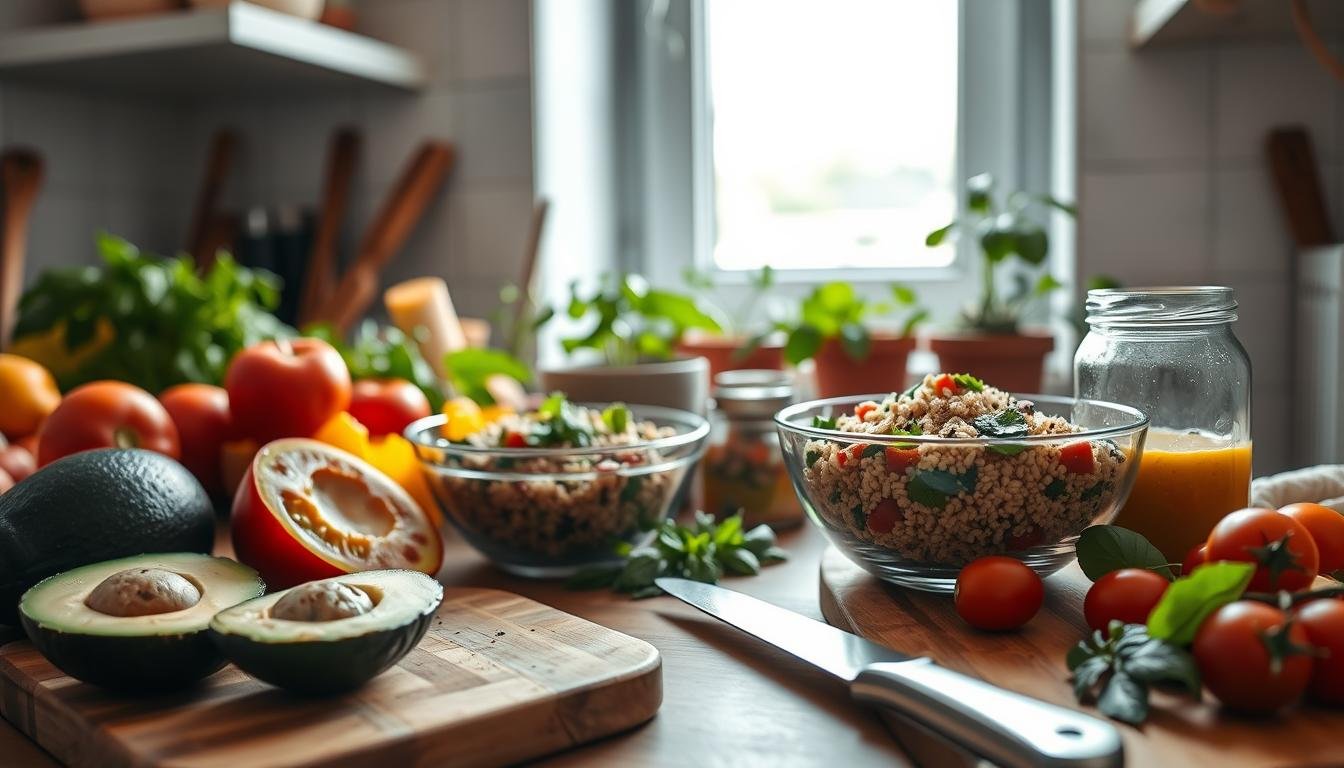
Healthy Vegan for Beginners: Your First Week Plan
Can changing your entire diet be simple, delicious, and energizing? Many people feel intimidated, but you do not need to change your life overnight. A Healthy Vegan for Beginners journey starts with small, lasting choices that fuel your body with plants.
You can thrive by choosing nutrient-dense staples, including hearty legumes, versatile tofu, whole grains, and fresh produce. This Healthy Vegan for Beginners guide offers a clear roadmap for grocery shopping and building balanced plates without stress. You will learn simple meal formulas, key nutrient tips, and practical ways to make your transition natural and rewarding.
Key Takeaways
- Focus on whole foods like beans, nuts, and seeds to stay satisfied.
- Use a simple meal formula to balance proteins, fats, and complex carbs.
- Prioritize fortified foods to meet your specific nutritional needs.
- Keep your grocery list organized to avoid common shopping pitfalls.
- Embrace small, manageable changes to build long-term success.
Healthy Vegan for Beginners: What to Expect in Your First Week
Starting a vegan diet for beginners may feel like a big change. Knowing what to expect can make it easier. You may spend more time reading food labels at the grocery store for hidden animal ingredients.
Your portion sizes may also need slight adjustment. Plant-based foods are often less calorie-dense than meat and dairy, so you may need larger portions to feel satisfied. A structured first week vegan meal plan can guide you through these changes without overwhelming you.
You may notice physical changes in your digestion. More fiber-rich foods, such as beans, lentils, whole grains, and fresh vegetables, may take time to digest. Some bloating is common at first, but it usually fades as your body adjusts to extra nutrients.
Do not worry about being perfect right away. The goal of a vegan diet for beginners is to build habits you can maintain. Eat consistent, satisfying meals instead of changing your entire life in one day.
If you struggle, remember that every small choice counts. Use your first week vegan meal plan as a guide, but show yourself grace after mistakes. You are learning a new way to nourish your body, and learning takes time.
Plan Your Vegan Grocery Trip Before You Start
Starting a plant-based lifestyle begins with a smart store trip. A solid vegan grocery list keeps you focused and reduces stress during your first week. Fill your cart with varied proteins, whole grains, fresh produce, and healthy fats.
Build a collection of versatile plant-based pantry staples for simple meal preparation. Stock up on essentials such as canned beans, lentils, tofu, brown rice, and rolled oats. These foods support many quick, nutritious meals.
Add frozen vegetables and fruits because they are as healthy as fresh choices and last longer. Peanut butter and fortified soy milk also make useful additions to your plant-based pantry staples. These foods provide a quick snack or meal ingredient whenever you need one.
Read ingredient labels for hidden dairy, eggs, and other animal-derived ingredients
When shopping, check vegan ingredient labels carefully. Animal ingredients can hide in processed bread, savory sauces, candies, and baked goods. Scan each package for whey, casein, gelatin, or honey.
Checking vegan ingredient labels often will soon feel natural. This habit helps keep your cart aligned with your dietary goals. With a well-planned vegan grocery list, you can start your journey feeling confident and prepared.
Build Balanced Vegan Meals With a Simple Formula
You can master plant-based eating with a simple formula you can repeat. Fill your plate with four parts: a carbohydrate-rich base, protein, colorful vegetables or fruit, and healthy fat.
Prioritize high-quality vegan protein sources to help keep your energy steady. Keep beans, lentils, tofu, tempeh, and seitan in your pantry or fridge.
Nuts, seeds, and fortified soy foods can also help meet your nutritional needs throughout the day.
Experimenting with different vegan protein sources can make your transition smoother. Mix these ingredients to create meals that satisfy your hunger. If you feel unsure, start with familiar combinations you already enjoy.
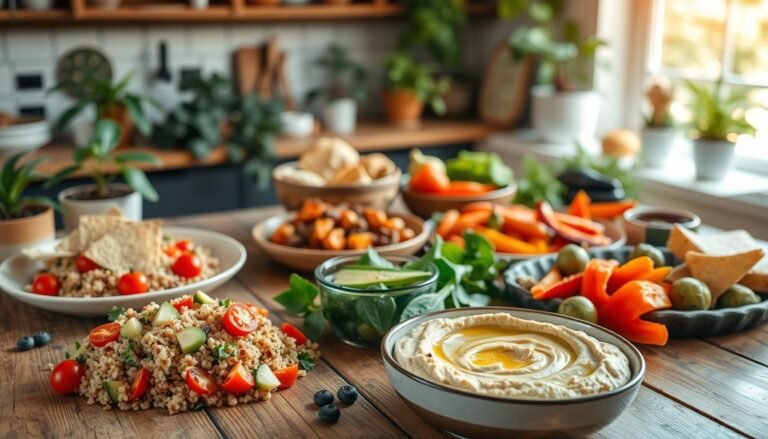
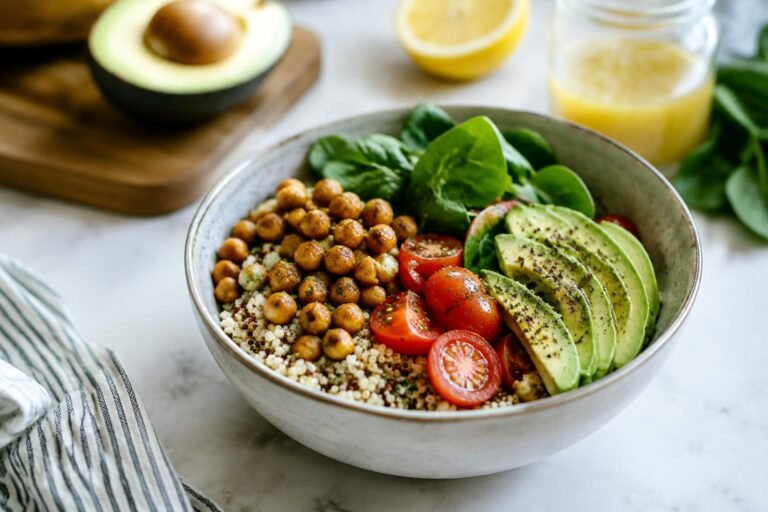
Building balanced vegan meals becomes easier once you find favorite pairings. For example, rice with black beans makes a classic, filling bowl. You might also enjoy whole-grain toast with a savory tofu scramble or a hearty quinoa salad mixed with chickpeas.
These simple templates let you rotate ingredients based on what you have on hand. This basic structure helps every meal provide the fuel your body needs. Keep it simple, stay consistent, and enjoy discovering new flavors.
Prepare Your Kitchen and Make the First Two Days Easy
Make your first two days of vegan eating easier with a little prep work. Prep produce, cook grains like quinoa or brown rice, and open cans of beans when you get home. This vegan meal preparation gives you healthy ingredients to grab when hunger strikes.
Make one versatile sauce, such as creamy tahini dressing or zesty vinaigrette, and store it in your fridge. A flavorful sauce can turn basic ingredients into a delicious meal in minutes. This step removes guesswork from your daily cooking routine.
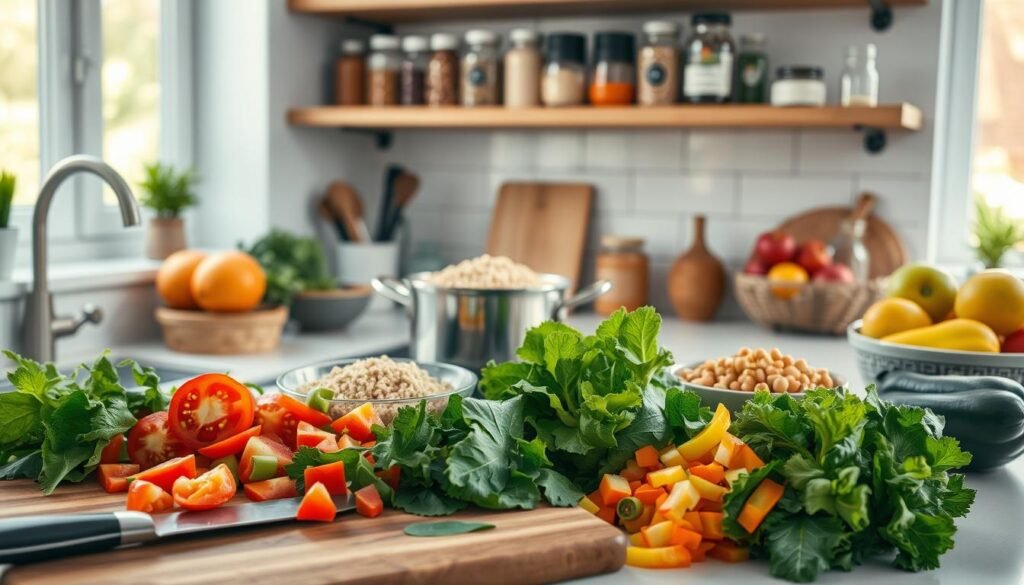
Prevent food waste by storing leftovers safely and planning when you will eat them
Proper storage keeps food fresh and tasty. Label each container with the date, so you know when you prepared each item. Most refrigerated vegan leftovers stay fresh and safe for three to four days.
Plan when you will eat leftovers for lunch or dinner to avoid food waste. Treating pre-cooked meals like scheduled appointments helps you remember them. Organizing your vegan leftovers saves money and keeps your kitchen running smoothly.
Follow a Practical Day-by-Day First Week Plan
Starting your vegan journey feels easier with a clear, day-by-day plan. You do not need to change your whole life overnight. Instead, follow a flexible seven-day path that begins with meals you already enjoy.
On your first day, keep things simple by reading labels at the grocery store. Look for hidden animal ingredients in favorite snacks and pantry staples. This small habit builds awareness without adding stress to your schedule.
By day two, prepare grains like quinoa or brown rice, or cook a pot of beans. These staples make it easier to build an easy vegan meal plan throughout the week. Use them as bases for salads, bowls, or quick stir-fries.
Do not feel pressured to cook a brand-new recipe for every meal. Repeating your favorite breakfast or lunch is a smart, practical strategy. Batch-cooked grains, beans, and roasted vegetables can support several meals, saving time and energy.
Near the end of the week, test one new dinner recipe. This keeps your palate excited and helps you discover flavors you love. By staying flexible, you create an easy vegan meal plan for your unique lifestyle and stay motivated long term.
Easy Vegan Breakfasts, Lunches, Dinners, and Snacks
Let’s explore simple, tasty meals that make your first week easier. You do not need fancy ingredients to enjoy great food. Most items are available at local grocery stores in the United States.
Overnight oats with fortified soy milk, chia seeds, berries, and peanut butter
This is one of the best vegan breakfast ideas for busy mornings. Simply mix oats with fortified soy milk and chia seeds the night before. The seeds absorb the liquid, creating a creamy texture by morning.
Top the oats with fresh berries and a spoonful of peanut butter for extra flavor.
Tofu scramble with whole-grain toast and sautéed vegetables
Tofu is a great source of plant-based protein that perfectly mimics eggs. Crumble firm tofu into a pan with your favorite frozen or fresh vegetables. Serve it with toasted whole-grain bread for a hearty start.
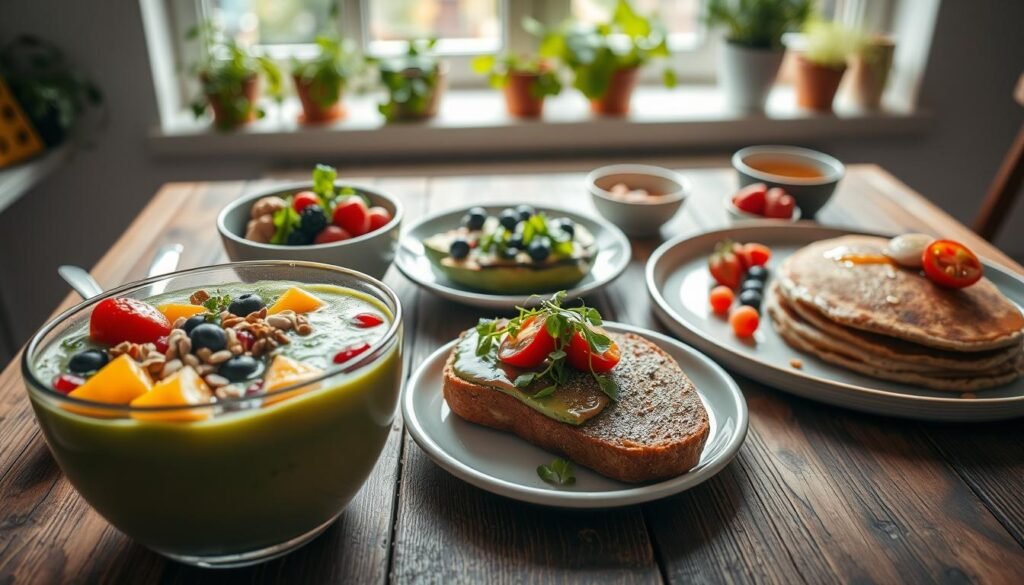
Chickpea salad wraps with greens and crunchy vegetables
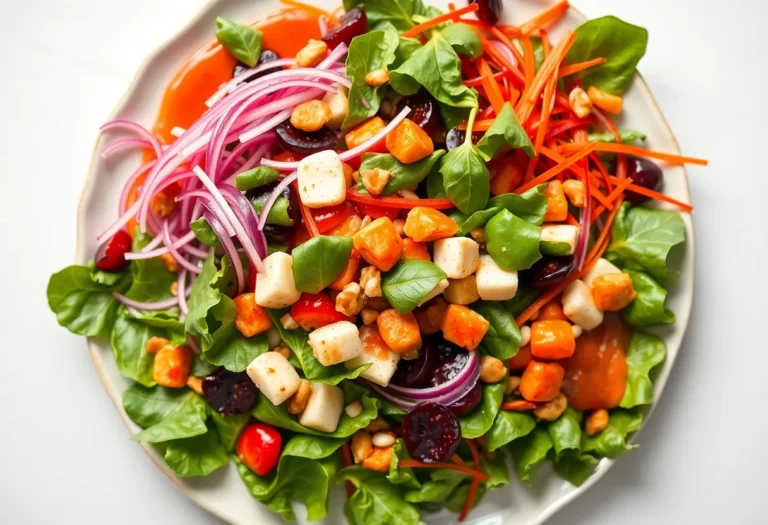
When you need quick vegan lunch ideas, canned chickpeas are your best friend. Mash them with a little vegan mayo or hummus, then wrap them in a whole-grain tortilla. Add leafy greens and crunchy peppers for a satisfying meal.
Quinoa bowls with black beans, corn, salsa, and avocado
Quinoa provides complete protein that keeps you full for hours. Combine it with canned black beans, corn, and store-bought salsa. Top the bowl with sliced avocado for healthy fats and a creamy finish.
Red lentil curry with brown rice
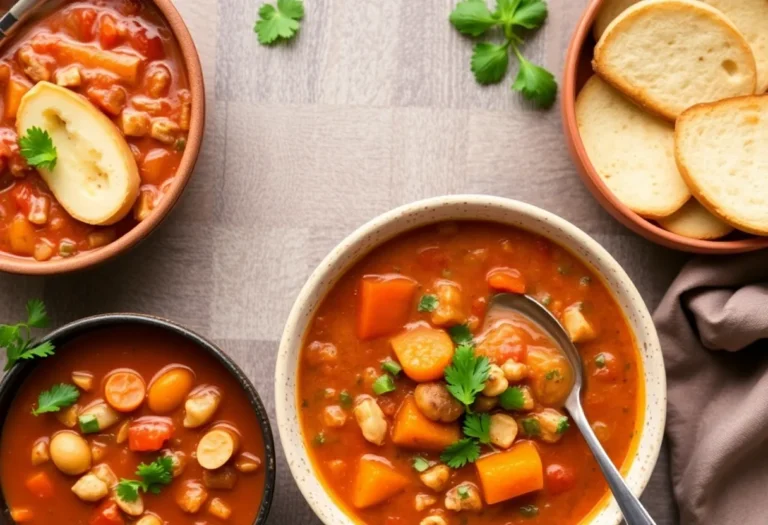
For cozy vegan dinner ideas, red lentils cook incredibly fast. Simmer them with curry powder and coconut milk until soft. Serve them over brown rice for a comforting meal that stores well as leftovers.
Black bean tacos with cabbage, pico de gallo, and lime
Tacos are a fun, flexible way to enjoy dinner. Use canned black beans as your base, then add them to corn or flour tortillas. Top them with shredded cabbage, fresh pico de gallo, and lime juice.
Fruit with peanut butter, roasted chickpeas, trail mix, or hummus with vegetables
Keep your energy up with simple vegan snacks throughout the day. Pair apple slices with peanut butter or enjoy crunchy roasted chickpeas. Hummus with raw carrot sticks or trail mix also works well on the go.
Cover Key Nutrients on a Vegan Diet
Getting enough vitamins and minerals helps you feel your best on a vegan diet. Eating many whole foods can provide most vegan nutrients your body needs to work well.
Pay special attention to protein, iron, calcium, vitamin D, iodine, omega-3 fats, and zinc. Add beans, lentils, tofu, seeds, and dark leafy greens to broaden your nutrient intake.
Consistency matters on a vitamin B12 vegan diet. Unfortified plant foods are not reliable sources of B12. Use fortified foods or a high-quality supplement to meet your needs.
Fortified soy milk is an excellent way to raise your daily calcium and vitamin D levels. These simple swaps can support your health as you enjoy a new plant-based lifestyle.
Discuss supplements, pregnancy, medications, or medical conditions with a qualified healthcare professional
Each person has unique health needs that may change over time. If you are pregnant, take specific medications, or manage a medical condition, always consult a doctor or registered dietitian.
They can give personalized advice about whether you need specific supplements. Professional guidance helps keep your transition safe and effective for your long-term well-being.
Handle Hunger, Cravings, Digestion, and Social Situations
During your first week, cravings and digestive changes are normal hurdles. If hunger returns soon after eating, your meals may need more calories or healthy fats. Build each plate with protein from tofu, lentils, or quinoa, not only low-calorie vegetables, to stay satisfied.
When sudden vegan cravings strike, ask whether your body needs more energy or certain nutrients. A handful of nuts or a spoonful of avocado can provide needed fullness. These small changes help you stay energized without feeling deprived.
You may notice changes in vegan digestion after adding more beans and whole grains. A sudden rise in fiber can cause temporary bloating or gas. Increase fiber slowly and drink plenty of water to keep digestion moving smoothly.
Social situations are another important skill in your new lifestyle. Before visiting a restaurant, check its menu online for plant-based options. At a potluck or friend’s house, offer to bring a filling dish you enjoy.
Tell your hosts clearly about your dietary needs. Most people will accommodate you when they know in advance. With planning, you can enjoy your social life and stay committed to your health goals.
Turn Your First Week Into a Sustainable Routine
Building a sustainable vegan lifestyle starts by turning early success into a simple, repeatable routine. You do not need a new menu every day. Create a few reliable meal templates you enjoy.
Healthy vegan habits become easier when you avoid complex meal decisions. Choose a handful of dependable recipes to save time and mental energy. This plan helps prevent burnout from cooking elaborate dishes every night.
Stock versatile staples in your pantry to keep your routine running smoothly. Keep canned beans, frozen vegetables, rolled oats, and whole grains available. These foods support quick meals, including grain bowls and simple stir-fries.
Keep protein-rich tofu, fresh fruit, and creamy hummus in your fridge. These staples help you make a nutritious meal within minutes. A consistent grocery list ensures you have these essential foods.
Your commitment to healthy vegan habits will grow as these routines become natural. A simple process creates a path you can follow long term. Enjoy knowing how to fuel your body with plant-based goodness each day.


Conclusion
Your first week begins a rewarding lifestyle change. Smart grocery shopping and balanced meals build a strong foundation for your health. You now have tools to manage nutrients and handle social dining with ease.
The benefits of a vegan diet become clear when you choose whole foods, including lentils, quinoa, and fresh produce. These foods provide the fiber, vitamins, and plant protein your body needs to thrive. Regular planning helps you keep these habits over time.
Keep recipes that brought you joy during this first phase. Replace items that did not fit your taste or schedule. Embracing the benefits of a vegan diet is a personal process that changes as you learn your preferences.
Focus on progress, not perfection, as you move forward. Build a lasting routine one week at a time. Share your favorite plant-based discoveries with friends or family to stay motivated.
Your commitment supports your personal wellness and the planet.