Healthy Veggie Quick Meals
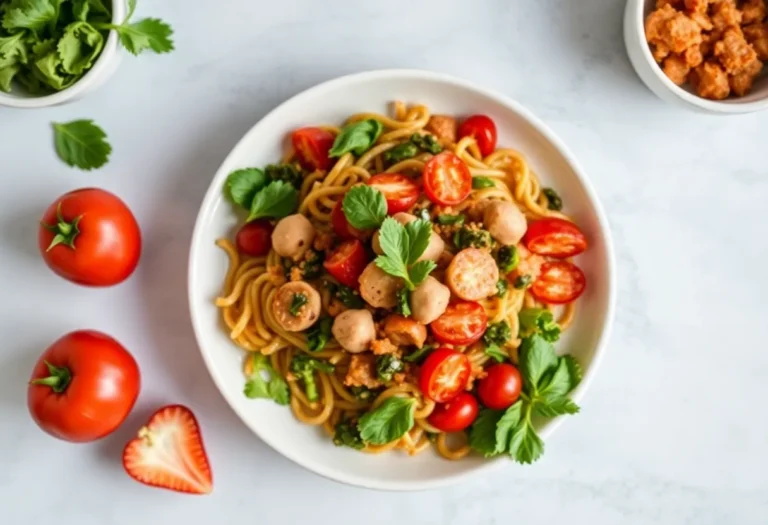
Your weeknight dinner doesn’t need to be a choice between fast food and a sink full of dishes. You can get a colorful, nutrient-packed plate on the table in the time it takes to boil pasta. Here’s how you’ll turn simple vegetables into meals you actually look forward to eating.
Key Takeaways:
- A stocked fridge full of pre-washed greens, frozen veggies, and a few good sauces turns “what’s for dinner” panic into a 15-minute stir-fry without much thought at all.
- The right tools – a sharp knife, a solid nonstick pan, maybe a rice cooker – cut your prep time in half, so cooking veggies feels less like a chore and more like something you can actually pull off on a Tuesday night.
- Boring salads usually come down to bad texture and lazy dressing, not the vegetables themselves. Fix the crunch and the flavor, and suddenly a bowl of greens tastes like something you’d actually crave.
Why eating your greens doesn’t have to be a total drag
Nobody wakes up craving a limp pile of steamed broccoli, and honestly, that’s fair. The idea that vegetables have to taste like punishment is one of those weird food myths that just won’t die, and it’s the main reason so many people quietly avoid them. But once you flip the script on flavor and stop treating veggies like an obligation, everything changes. A carrot roasted until its edges caramelize is a completely different food than a boiled one. Same vegetable, wildly different experience.
Getting dinner on the table fast matters just as much as taste when you’re juggling a job, a family, or just a life outside the kitchen. Nobody’s got forty five minutes to babysit a pot every single night. Once you start pairing bold flavor with quick cooking methods, vegetables stop being the thing you tolerate and start being the thing you actually look forward to eating.
My secret to making veggies taste amazing
Salt, heat, and acid are doing more work than any fancy technique ever will. Season your vegetables properly and early, let them get real color in a hot pan, and finish with something bright like lemon juice or vinegar. That combination wakes up flavors that plain steaming just can’t touch. Bland vegetables usually aren’t a vegetable problem at all. They’re a seasoning problem.
Garlic, chili flakes, a splash of soy sauce, a drizzle of good olive oil, these are your workhorses. You don’t need a spice cabinet the size of a pharmacy. Toss zucchini in sesame oil and a little tamari before it hits the pan and you’ll wonder why you ever ate it plain. Fresh herbs added at the very end, not the beginning, give you that punchy, just picked taste. Small moves, big payoff.
Why speed is the name of the game here
Overcooking is the silent killer of vegetable flavor, and it happens more often than you’d think when you’re not paying close attention. Broccoli left too long turns gray, mushy, and frankly a little sad. High heat and short cook times keep vegetables vibrant, crisp, and packed with the nutrients that slow cooking tends to leach right out. Five minutes in a screaming hot pan beats twenty minutes of gentle simmering almost every time.
Quick cooking also means less standing around, which is really what busy cooks are after anyway. Chopping uniformly and having everything prepped before the pan even heats up shaves real minutes off your total time. A fifteen minute meal isn’t a compromise. It’s often the better dish, cooked fast enough that the vegetables still taste like themselves instead of steamed cardboard.
The kitchen gear I seriously can’t live without
Why a sharp knife is actually your best friend
Grab your knife right now and check it. Does it slide through a tomato or does it squish it? If you’re wrestling with your food instead of cutting it, that’s minutes added to every single meal, and it’s the reason chopping veggies feels like a chore. A properly sharpened blade turns a mountain of bell peppers, onions, and zucchini into a two-minute job instead of a ten-minute battle. You don’t need a fancy set either. One good chef’s knife, kept sharp, does more for your prep time than any gadget on the market.
Dull blades also make cooking dangerous, since you end up pressing harder and slipping more. Get yours honed at a local shop or invest in a simple pull-through sharpener you keep on the counter. Once you feel the difference, you’ll wonder why you waited so long. Uniform cuts mean even cooking too, so your veggies actually finish at the same time instead of some pieces turning to mush while others stay raw.
The air fryer is a total life-changer
Roasted vegetables usually mean a hot oven, a long wait, and a pan to scrub afterward. An air fryer skips all three problems. Toss broccoli, cauliflower, or sweet potato chunks in with a little oil, and you’ve got crispy, caramelized veggies in under fifteen minutes. No preheating a giant oven just to roast a handful of carrots. The basket design also means better airflow than a crowded sheet pan, so everything gets that golden edge instead of steaming in its own moisture.
Cleanup takes seconds, which matters more than people admit on a busy weeknight. Rinse the basket, done. You’ll find yourself reaching for it constantly, whether it’s reheating leftovers without turning them soggy or crisping up chickpeas for a salad topper. It’s compact enough for small kitchens too, and honestly, once you own one, your oven starts feeling like overkill for anything smaller than a full tray.
What’s actually in my pantry right now?
Pop open my cabinets and you’ll find a pretty predictable lineup of stuff that’s built for speed. There’s nothing fancy going on in there. What you’ll see instead is a rotating cast of grains, beans, and a few jarred essentials that let me throw a meal together without much planning. The trick isn’t buying exotic ingredients – it’s keeping the boring basics stocked so you never end up staring into an empty cabinet at seven o’clock wondering what to eat. A well stocked pantry does most of the heavy lifting before you even turn on the stove.
Garlic, onions, olive oil, a few good vinegars, soy sauce, and a jar of chili crisp or harissa round things out. Those flavor boosters matter just as much as the bulk staples because they’re what keep quick meals from tasting flat or repetitive. Nutritional yeast, tahini, and a couple of hot sauces live in my fridge door for the same reason. None of it requires special trips to specialty stores – a regular grocery run covers it all, which is exactly why this system works week after week.
Grains that don’t take forever to cook
Couscous is probably my most reached for grain because it’s ready in about five minutes flat – just add boiling water, cover it, and walk away. Quick cooking quinoa comes in a close second, especially the pre-rinsed kind that cooks in under fifteen minutes and holds up well for meal prep. You’ll also want to keep instant brown rice on hand for nights when you need something heartier without the usual forty minute wait.
Bulgur wheat deserves way more credit than it gets. It cooks in roughly ten minutes and has a chewy, nutty quality that works in everything from grain bowls to stuffed peppers. Orzo is another sneaky favorite since it cooks like pasta but eats like a grain, soaking up sauces beautifully. Keeping two or three of these on rotation means you’re never locked into one texture or flavor profile, and dinner never feels like a repeat.
Why canned beans are a total lifesaver
Chickpeas, black beans, cannellini, and pinto beans sit in my cabinet in embarrassing quantities, and for good reason. They’re already cooked, already seasoned if you buy the right brand, and ready to go straight from the can into a pan or bowl. Draining and rinsing takes maybe thirty seconds, and suddenly you’ve got a protein source that would’ve taken an hour if you’d started from dried beans.
Versatility is really what sells me on keeping so many varieties around. Chickpeas get crisped up in a hot pan for salads, black beans blend into quick dips, and cannellini beans melt right into soups for extra body. Low sodium versions give you control over seasoning without sacrificing convenience, and a splash of the aquafaba even works as an egg substitute in a pinch. For a five minute protein fix, can
How do I pick the best stuff at the store?
Grocery shopping for veggies doesn’t need a PhD or a Pinterest board. Your nose and your hands are the two best tools you own, and most people forget to actually use them. Give produce a squeeze, take a sniff, and look at the stem end. A carrot that smells like dirt is a good thing. A bell pepper that feels light for its size probably went soft on the inside already. Skip the giant end cap displays too, since those get picked over by every shopper before you and tend to sit longer under those bright lights. Head toward the smaller, less flashy sections of the produce aisle where turnover happens faster.
Color tells you more than you’d think. Bright, deep hues usually mean the vegetable is at its peak, while dull or washed out color often signals it’s been sitting around too long. Broccoli should look almost blue green, not yellowish. Zucchini skin should have a slight shine to it, not a dry papery look. None of this takes extra time once it becomes habit.
My trick for finding the freshest kale
Kale gets a bad reputation because people grab bunches that are already halfway to sad. Bend a leaf gently between two fingers. Fresh kale snaps back with some resistance and feels almost rubbery, not floppy. If it folds over like paper, put it back. Check the cut stem at the base of the bunch too; it should look pale and moist, not brown or dried out and cracked.
Size matters more than people realize with kale specifically. Smaller, younger leaves taste less bitter and cook faster, which matters a ton on a weeknight when you’ve got fifteen minutes tops. Avoid bunches with yellowing edges or tiny holes, since that usually means it sat in the field or on the shelf a little too long. Buying pre washed bagged kale works fine too, just check the sell by date isn’t creeping up on you.
Seriously, don’t sleep on the frozen aisle
Frozen vegetables get treated like the consolation prize of the produce world, and that’s honestly unfair. Most frozen veggies get picked and flash frozen within hours, locking in nutrients that fresh produce loses during days of shipping and shelf time. Frozen peas, corn, and spinach often taste better than their “fresh” counterparts that traveled a thousand miles to reach your store.
Bags of frozen stir fry mixes or riced cauliflower sit in your freezer for months without going bad, which means zero waste and zero pressure to use everything before it wilts. Check the bag for ice crystals or clumping before buying, since that’s usually a sign of thawing and refreezing somewhere along the line. A clean, loose bag means better texture once it hits your pan.
My favorite 15-minute stir-fries
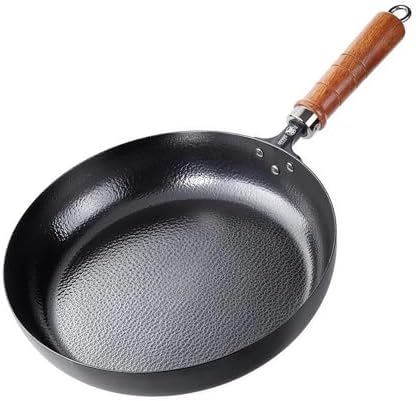
Get your pan screaming hot before anything hits it. That’s the whole secret. A stir-fry only works when the wok or skillet is properly ripping hot, not lukewarm and hopeful. You want that sharp sizzle the second your vegetables land, the kind that sends up a little cloud of steam and starts browning edges within seconds. If you’re standing there waiting for things to cook, your heat wasn’t high enough to begin with. Cast iron or carbon steel gets you there fastest, but even a heavy stainless pan works if you give it a few extra minutes to heat through. Skip the crowding too. Overloading the pan drops the temperature instantly and you end up steaming your broccoli instead of searing it, which is a completely different meal and not the one you signed up for tonight.
Timing your ingredients matters just as much as the heat itself. Carrots and onions go in first since they need the extra minute or two to soften. Bell peppers and snap peas follow shortly after, and anything leafy, like spinach or bok choy greens, gets tossed in right at the end so it wilts instead of turning to mush. You’re basically conducting a tiny fast-paced orchestra, and once you’ve done it a few times, the rhythm becomes second nature.
The “toss it in” method that just works
Chop everything before you turn on the burner. That’s the one rule that saves you from panic later. Once that pan is hot, there’s no time to be dicing a carrot while your garlic burns to bitterness three feet away. Line up your vegetables in the order they’ll go in, keep your protein pre-sliced and ready, and have your sauce mixed in a small bowl within arm’s reach. This is prep work, sure, but it takes maybe five minutes and it’s what makes the actual cooking part feel almost lazy by comparison.
You’re aiming for movement, not stillness, once things hit the pan. Keep your spatula going, pushing vegetables from the center out and back again so nothing sits still long enough to scorch. A wooden spatula or a metal one with a slight curve works best for scraping along the pan’s surface. Garlic and ginger go in for maybe fifteen seconds before the vegetables follow, just long enough to smell fragrant without turning acrid. That “toss it in” rhythm becomes muscle memory fast, and dinner’s basically done before you’ve even worked up a sweat.
Why the sauce makes the whole meal
Bare vegetables, however well seared, taste like an afterthought without a proper sauce tying them together. Soy sauce, a splash of rice vinegar, a spoonful of honey or brown sugar, and a little cornstarch slurry is genuinely all you need as a base. Whisk it together before you start cooking, because you won’t have a spare hand once things are moving in the pan. Sesame oil at the very end adds that unmistakable nutty finish that makes people ask what restaurant you
Let’s talk about those “sad” salads once and for all
You know the salad. Limp lettuce, three sad cherry tomatoes, maybe a shred of carrot if you’re lucky. That’s not a meal, that’s a garnish pretending to have ambition. If you’ve written off salads as rabbit food that leaves you raiding the pantry an hour later, it’s not the salad’s fault, it’s what you’re putting in the bowl. A real salad needs structure, fat, and protein working together, not just crunchy water dressed up with a squeeze of lemon. Build it right and it’ll actually hold you over through a busy afternoon.
Texture matters just as much as nutrition here. A bowl of only soft leaves gets boring fast, and boring food gets abandoned halfway through. Contrast is what keeps you interested bite after bite, so think crisp against creamy, crunchy against tender. Once you start treating salads as an actual composed dish instead of an afterthought, the whole category stops feeling like punishment.
How to bulk them up so you’re not hungry in an hour
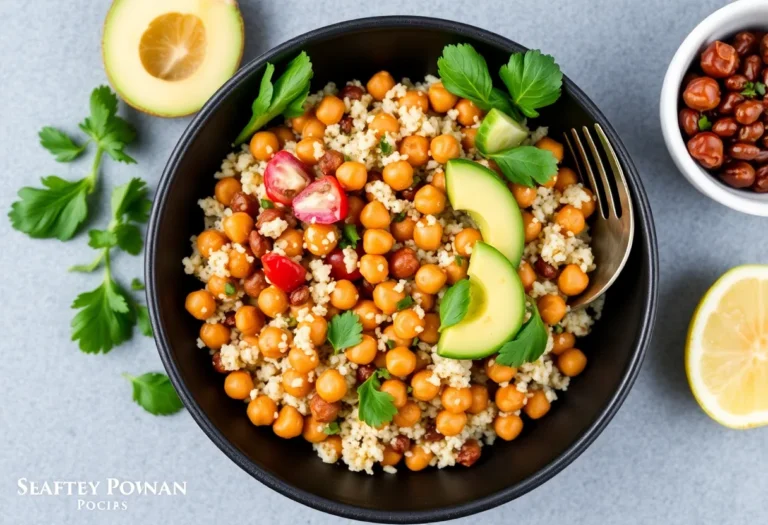
Protein is non negotiable if you want staying power. Toss in grilled chicken, a can of chickpeas, hard boiled eggs, or leftover salmon, and suddenly that bowl has some backbone. Aim for at least a palm sized portion of protein per serving. Whole grains help too, so throw in cooked quinoa, farro, or even leftover brown rice to add chew and slow digestion down.
Fat is the other piece people skip, and it’s a mistake. Avocado, a handful of nuts, crumbled feta, or a proper drizzle of olive oil all slow how fast your stomach empties, which means fewer snack attacks later. Roasted vegetables add bulk without watering things down the way raw cucumber sometimes can. Layer a base of greens, add your grain, your protein, your fat source, and you’ve got something that eats like a full meal, not a side dish.
My dressing hacks that’ll blow your mind
Bottled dressings are often loaded with sugar and thickeners doing more harm than good. Whisking your own takes two minutes and tastes miles better. My go to ratio is three parts oil to one part acid, whether that’s lemon juice, red wine vinegar, or even a splash of pickle brine, which sounds strange but adds a salty tang that’s genuinely addictive.
Blending in something creamy changes everything, too. A spoonful of Greek yogurt, tahini, or Dijon mustard emulsifies the dressing and gives it body that clings to every leaf instead of pooling at the bottom. Try whisking miso paste with rice vinegar and a touch of honey for an umami bomb that makes plain greens taste like a restaurant dish. Warm dressings work wonders as well, so heating garlic and anchovy in olive oil before tossing it over kale wilts things just enough for a totally different texture experience


To wrap up
You’ve got the tools now: a sharp knife, a well-stocked pantry, and a handful of stir-fry and salad tricks that take less time than scrolling through a delivery app. Fifteen minutes is really all you need to turn a pile of vegetables into something you actually want to eat. Skip the idea that healthy food has to be bland or complicated. Your fridge doesn’t need to be perfectly organized or overflowing with exotic produce for you to pull together a meal that fuels you properly. Start small, pick two or three recipes from what you’ve read here, and make them your own.
Give yourself permission to experiment a little. Swap in whatever’s fresh at your local market, adjust the seasoning to match your taste, and don’t stress if a dish doesn’t turn out picture perfect the first time. Cooking vegetables well is a skill you build through repetition, not one you master overnight. Keep your knife sharp, your pantry stocked, and your expectations realistic, and you’ll find yourself reaching for veggies out of habit rather than obligation.