Plant Based Diet Recipes
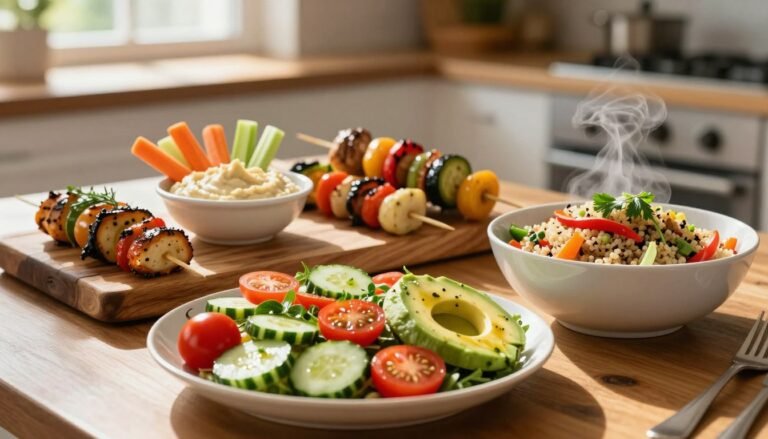
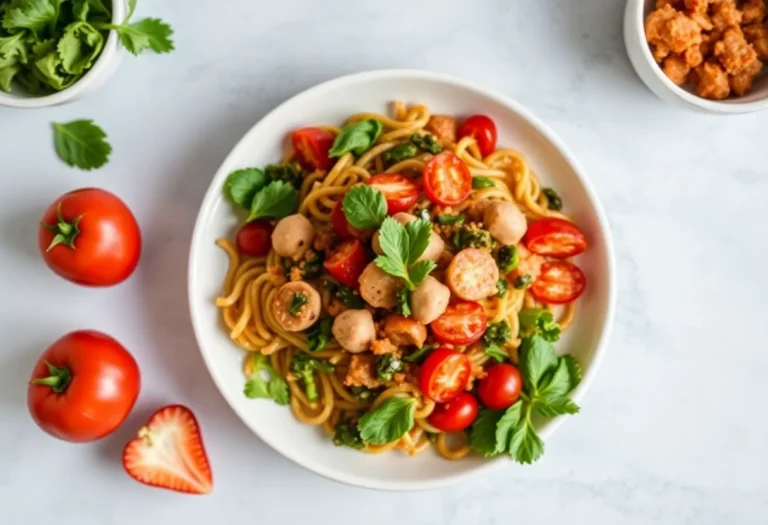
Craving meals that taste good and actually do your body a favor? You’re in the right spot. Plant based cooking isn’t about bland lettuce piles or giving up flavor for the sake of health. You’ll find real recipes, practical tips, and pantry tricks that make this way of eating simple, satisfying, and honestly pretty fun to stick with.
Key Takeaways:
- A well-stocked pantry (think beans, lentils, nutritional yeast, and a solid stash of spices) makes throwing together a plant based meal way less stressful than people assume.
- Breakfast, lunch, and dinner don’t need separate rulebooks – the same core ingredients like tofu, chickpeas, and grains can stretch across all three without you getting bored.
- Quick meals are absolutely doable on this diet. A 15 minute lunch or a one-pan dinner isn’t a myth, it’s just about having a few go-to recipes memorized.
Why you should actually care about plant-based eating
Your heart works overtime every single day, and what you put on your plate has a massive say in how well it holds up over the decades. Study after study points to the same conclusion: people who lean heavily on vegetables, fruits, whole grains, and legumes tend to have lower blood pressure, healthier cholesterol numbers, and fewer clogged arteries down the road. This isn’t some fringe theory anymore. Cardiologists themselves often recommend cutting back on saturated fat and animal protein simply because the data keeps stacking up in favor of plants. You’re not just avoiding bad stuff either, you’re actively feeding your body compounds like fiber and antioxidants that animal products don’t really offer.
Think about it this way: your arteries are basically pipes, and diet determines what kind of buildup happens inside them over time. Diets heavy in red meat and processed foods tend to accelerate that buildup, while diets built around plants tend to slow it down or even help reverse early damage. That’s a pretty compelling reason to rethink your weekly grocery routine. You don’t need to go fully vegan overnight to see benefits, either. Even shifting the ratio on your plate, more vegetables, less meat, can start moving the needle on your cardiovascular numbers within months.
It’s not just about eating salad
People hear “plant-based” and immediately picture a sad bowl of lettuce, but that’s honestly a lazy stereotype. You’re talking about an entire universe of options: lentil curries, hearty grain bowls, roasted vegetable tacos, chickpea stews thick enough to eat with a fork standing up. None of that resembles rabbit food. Your heart doesn’t care whether the plants come dressed up as a smoky black bean chili or a simple spinach side, it just cares that you’re consistently choosing plants over processed animal fat. So drop the salad-only mental image right now, because it’s holding you back from actually enjoying this shift.
Variety matters just as much as the plants themselves. Rotating between different vegetables, grains, and legumes gives your body a wider range of nutrients than any single “healthy” food ever could on its own. You get different fiber types, different antioxidant profiles, different minerals depending on what’s on your plate that week. Boredom is usually what kills a diet change, not lack of willpower. Keep things interesting and your commitment to heart health naturally sticks around a lot longer than any restrictive eating plan ever does.
Feeling better from the inside out
Energy levels shift in ways people don’t expect once plants start dominating the plate. Heavy, greasy meals tend to leave you sluggish an hour later, while fiber-rich plant meals digest more steadily and keep blood sugar from spiking and crashing. That steadier fuel source translates directly into how your heart and blood vessels function throughout the day, since wild blood sugar swings put extra strain on your cardiovasc
What’s the real deal with stocking your pantry?
Dry beans and grains are the cheapest insurance policy you’ll ever buy for your kitchen. A bag of lentils costs pocket change compared to a package of meat, and it sits happily in your cupboard for months without going bad on you. Buying dried instead of canned cuts your cost per serving even further, and you control the sodium and texture instead of leaving it to a factory somewhere. Once you start thinking in bulk, your grocery bill shrinks in ways you’ll actually notice on the receipt.
Grains work the same magic. Oats, rice, quinoa, farro, they’re all workhorses that stretch a tight budget into a week’s worth of meals. Buy them in larger bags rather than tiny boxes and the savings compound fast. These staples also happen to be the backbone of a whole category of meals you probably haven’t considered for your mornings yet, and that’s a conversation worth having on its own.
My must-have staples list
Chickpeas, black beans, and lentils sit at the top of your shopping list, no debate needed. They’re versatile enough to anchor soups, salads, or stews, and they pack in protein without draining your wallet. Brown rice and rolled oats deserve a permanent spot too, since both keep for ages and cook up into something satisfying with almost no effort on your part. Nutritional yeast might sound like an odd inclusion, but it adds a cheesy depth to dishes that you’ll reach for constantly once you try it.
Canned tomatoes, tahini, and a good olive oil round things out nicely. Frozen vegetables belong here too, don’t dismiss them as a lesser choice. They’re picked and frozen at peak ripeness, so you’re often getting better nutrition than wilted produce that’s traveled a long way to reach your grocery store shelf.
Don’t let the spice rack scare you
Spices are where plain beans and rice turn into something you actually crave. Cumin, smoked paprika, turmeric, and garlic powder handle most of the heavy lifting, and a small jar lasts far longer than you’d expect. Buying from bulk bins instead of the brand name spice aisle saves you real money, especially for things like cinnamon or chili powder that you’ll use often. Nobody needs forty jars to start out, five or six solid choices will carry you through weeks of cooking.
Building flavor confidence just takes repetition. Start by doubling up on one or two spices in a familiar dish and notice what changes. Toasting cumin seeds in a dry pan for thirty seconds before adding them to lentils, for instance, wakes up a flavor that ground spice alone can’t match. Your rack will fill in naturally as you figure out what your palate actually enjoys.
My take on breakfast that isn’t just boring oatmeal
Scrambled tofu deserves a spot at every plant-based table, and once you get the technique down, you’ll wonder why you ever put up with soggy oats every single day. Crumble a block of firm tofu into a hot pan, toss in turmeric for color, a splash of soy sauce for depth, and nutritional yeast for that cheesy edge you didn’t know you were craving. Fifteen minutes, one pan, and you’ve got roughly the same protein punch as a couple of eggs, minus the cholesterol. Black salt, sometimes called kala namak, adds that unmistakable eggy flavor that surprises even skeptical guests.
Texture matters more than people expect. Pressing your tofu for ten minutes before cooking removes excess water so it browns instead of steaming into mush. Add diced bell peppers, spinach, or leftover roasted potatoes and you’ve built a breakfast that actually holds you until noon. Skip the bland version everyone assumes tofu has to be.
Savory bowls for early birds
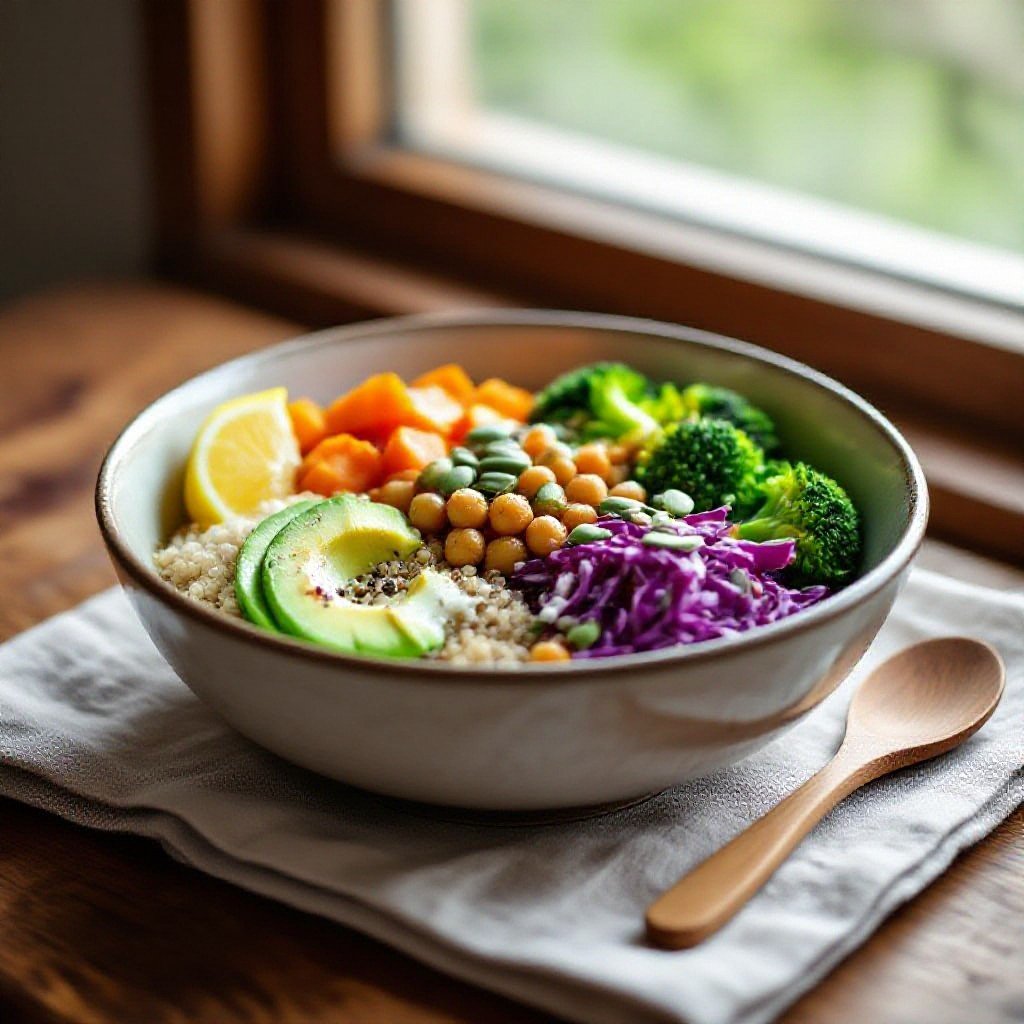
Grain bowls at breakfast sound unconventional until you try one. Start with a base of quinoa or farro cooked the night before, warm it slightly, then layer on sautéed greens, roasted sweet potato cubes, and a scoop of mashed avocado. Drizzle tahini sauce over the top and you’ve got something that feels indulgent but keeps blood sugar steadier than a bagel ever could. Batch cooking grains on Sunday means assembly takes five minutes on a Tuesday.
Chickpeas roasted with smoked paprika make a fantastic crunchy topping for these bowls, adding both protein and a bit of unexpected texture. Try swapping in different sauces depending on your mood: a spicy harissa one week, a garlicky lemon tahini the next. Rotating flavors keeps the routine from feeling repetitive, and leftover roasted vegetables from dinner slot right in without extra effort.
Smoothies that actually keep you full
Thin, juice-like smoothies leave you hungry an hour later, which defeats the whole purpose. Building a properly filling one means layering in a frozen banana, a tablespoon of nut butter, a scoop of hemp seeds, and a handful of oats blended right into the mix. Plant-based protein powder helps too, especially on mornings before a workout when you need something more substantial than fruit alone.
Liquid choice changes everything about texture and staying power. Swap plain water for unsweetened soy milk or a small can of coconut milk and you’ll notice a creamier, more satisfying result. Frozen cauliflower rice sounds strange in a smoothie, but it adds bulk and fiber without altering the taste much at all. Blend it thick enough to eat with a spoon, and you’ve got breakfast that rivals any bowl for staying power.
Seriously easy lunches for people who have zero time
Grab a Sunday afternoon, put on a podcast, and roast a couple trays of vegetables. That’s really the whole trick. Chop up peppers, zucchini, sweet potato, and onions, toss them with oil and whatever spices you’ve got lying around, and let the oven do the rest while you fold laundry or scroll your phone guilt-free. Cook a batch of grains too, quinoa or farro work great, and you’ve basically built the backbone of five different lunches without touching a stove again until Friday. Store everything separately in glass containers so you can mix and match instead of eating the exact same bowl on repeat.
Beans deserve a spot in this rotation too. A couple cans of chickpeas or black beans, rinsed and seasoned, add protein without any extra cooking time mid-week. Keep a jar of tahini dressing or a lemony vinaigrette ready in the fridge, and lunch becomes an assembly job rather than a cooking project. Ten minutes, tops, and you’re eating something that actually tastes like you tried.
Prep-ahead wraps and rolls
Tortillas and rice paper are secretly your best kitchen tools for busy weeks. Lay out hummus, shredded carrots, avocado, and whatever roasted veggies you’ve got from your Sunday batch, roll it tight, and wrap it in foil or parchment. Slice it in half so it looks fancy even though it took ninety seconds. Rice paper rolls work the same way but feel lighter, especially stuffed with vermicelli noodles, cucumber, and herbs, then dunked into a peanut sauce you made once and kept in a jar.
Batching five or six of these on Sunday night means grabbing one on your way out the door Monday through Friday. Wrap each one individually so they don’t dry out, and they’ll hold up in the fridge for several days without turning soggy. Swap fillings weekly so you’re not staring down the same wrap by Wednesday and losing interest halfway through eating it.
Why leftovers are your best friend
Cooking twice the amount of anything on a weeknight sets you up for a free lunch tomorrow, and that’s a habit worth building. A big pot of lentil soup or a chili made on Tuesday doesn’t just feed you that night, it fixes your Wednesday lunch problem before it even exists. Portion it into containers the moment it cools instead of leaving it as one giant pot you’ll forget about, and you’ll actually reach for it instead of ordering takeout out of desperation.
Freezing works in your favor here too. Anything soup-like or grain-based holds up beautifully in the freezer, so a triple batch made once a month means grabbing a container straight from the freezer to the microwave on your busiest days. Label containers with dates, because forgotten soup at the back of the freezer is nobody’s idea of a good surprise three
Honestly, these dinners will totally blow your mind
Comfort food without the meat
Lentils are doing some heavy lifting in your kitchen tonight, and once you try a lentil shepherd’s pie, you’ll wonder why you ever needed ground beef in the first place. The lentils simmer down with onions, carrots, and a splash of tomato paste until they turn thick and rich, almost stew-like, and that’s before you even get to the mashed potato topping. Bake it until the top gets those little golden peaks, and you’ve got something that tastes like it’s been in your family for generations.
Cold nights practically demand this kind of meal. There’s something about pulling a bubbling dish out of the oven, the smell of garlic and thyme filling the whole house, that makes you forget you’re eating something built entirely from plants. Texture matters here too: don’t rush the lentils, and don’t skimp on butter (or a plant-based swap) in the potatoes. Cornstarch or a bit of red wine can deepen that gravy-like base even further.
Impressing your non-vegan friends
Skeptical friends are the best test kitchen you’ll ever have. Serve them a slice of this shepherd’s pie without announcing it’s vegan, and watch what happens. Most people can’t tell the difference, and when you do reveal it, the reaction usually swings between disbelief and asking for the recipe. That’s the kind of dinner party moment that quietly does more to convert people than any lecture on food ethics ever could.
Presentation plays a bigger role than you’d think. Piping the mashed potatoes instead of just spreading them, or finishing the top with a quick broil for color, makes the dish look like it came from a proper restaurant kitchen. Pair it with a simple green salad or roasted vegetables, and you’ve built a full meal that feels indulgent without a hint of guilt. Your friends won’t be asking where the meat is; they’ll be asking for seconds.
What about those late-night snack cravings?
Sweet treats that aren’t junk
Frozen banana bites dipped in melted dark chocolate solve that ten o’clock sugar itch without wrecking your progress. Slice a banana, dunk the pieces, toss on some crushed peanuts or a pinch of sea salt, then freeze for an hour. You get something that feels indulgent but is basically fruit and cocoa doing their thing. Dates stuffed with almond butter work the same magic if you want something chewier and don’t feel like waiting around for the freezer.
Energy balls made from oats, dates, and a spoonful of nut butter are another one you’ll come back to again and again. Roll them up on a Sunday, keep a batch in the fridge, and you’ve got a grab-and-go answer to every craving that hits during a late show. A square or two of good quality dark chocolate, the kind with a high cocoa percentage, also does the trick when you just want something rich without going overboard.
Salty bites for your Netflix binge
Chickpeas are where it’s at when the craving is crunchy and salty rather than sweet. Toss a drained can with olive oil, smoked paprika, garlic powder, and a good crack of salt, then air-fry them until they’re golden and rattling around the basket. Fifteen minutes, tops, and you’ve got a bowl that scratches the same itch as chips but leaves you feeling fine afterward instead of greasy and regretful halfway through the movie.
Roasted seaweed snacks bring that same salty punch if you want variety, and kale chips baked low and slow give you the crunch of a potato chip with none of the guilt. Popcorn popped in a bit of coconut oil, finished with nutritional yeast, tastes shockingly cheesy for something with zero dairy in it. Keep a few of these options rotating in your kitchen and the couch cravings stop feeling like a problem.


To wrap up
You’ve got everything you need now to stop staring blankly into your fridge wondering what to make. Plant based cooking isn’t some strict rulebook you have to follow perfectly. It’s a set of ideas you can bend, mix, and mess up occasionally without ruining anything. Some nights you’ll nail that lentil curry, other nights you’ll burn the garlic and order takeout instead. Both outcomes are fine. What matters is that you keep showing up in the kitchen, trying new combinations, and figuring out what actually tastes good to you rather than what some recipe blog insists is “the best.”
Give yourself permission to experiment with the pantry staples, breakfast ideas, and quick dinners we covered. Swap ingredients based on what’s cheap that week. Adjust spice levels to match your own taste, not someone else’s. The recipes here are starting points, not commandments. Once you get comfortable with a handful of go-to meals, plant based eating stops feeling like a project and starts feeling like, well, just how you eat.