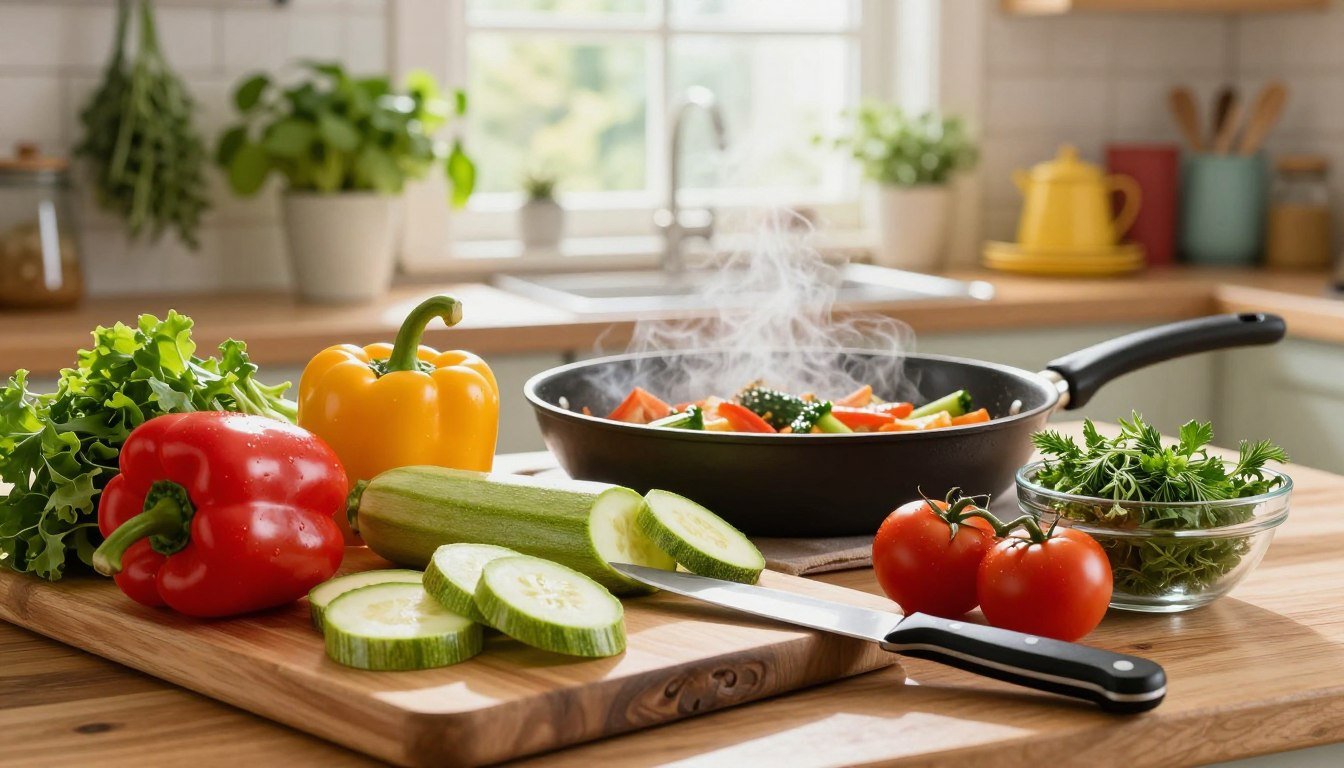
Healthy Veggie Cooking Ideas
Have you wondered why home-cooked greens lack the bright flavor found at your favorite bistro? Many cooks use complex recipes, but simple produce can become a crave-worthy meal. These Healthy Veggie Cooking Ideas need no professional training to make garden staples the star of dinner.
The secret often starts with high-heat cooking, such as roasting at 425°F. This heat encourages natural caramelization and brings deep, savory flavor to almost any plant-based ingredient. With a simple process, you can enjoy more nutrition without elaborate preparation.
This guide to Healthy Veggie Cooking Ideas offers practical strategies for quick dinners, efficient meal prep, and balanced plates. You will learn to combine fresh items into satisfying dishes for your busy lifestyle.
Key Takeaways
- Master high-heat roasting to unlock natural sweetness and texture.
- Simplify your routine with efficient meal prep strategies for the week.
- Create balanced plates by pairing produce with diverse protein sources.
- Utilize no-cook combinations for fast, refreshing lunch options.
- Focus on flavor-first techniques that require minimal equipment.
Healthy Veggie Cooking Ideas for More Flavor and Variety
Bring new life to your plate by learning several ways to cook your favorite produce. Try roasting, sautéing, steaming, grilling, or blending to create healthy vegetable recipes that never feel repetitive. Each method changes texture and flavor, keeping every bite exciting.
If meals feel stuck in a rut, change the colors on your plate. Bright bell peppers, deep leafy greens, and earthy root vegetables make meals more inviting. Try raw foods, such as shaved fennel salads or crunchy carrot ribbons, beside cooked dishes.
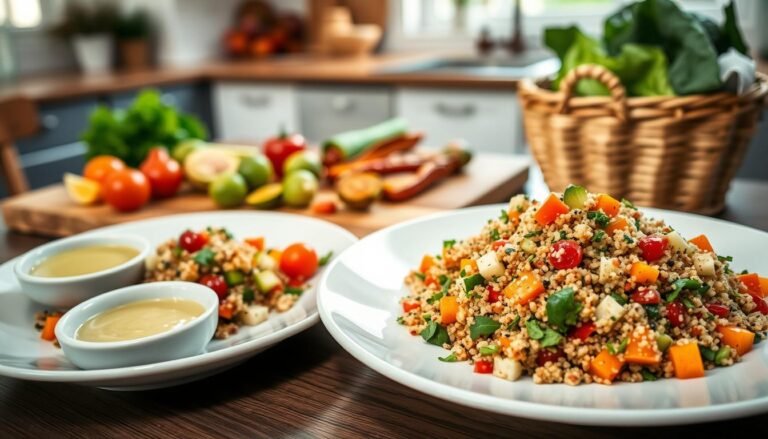
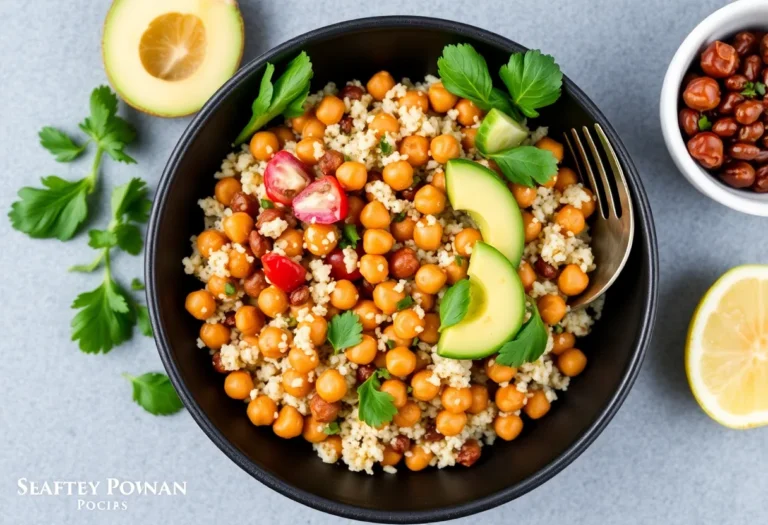
Build easy vegetable recipes around pantry foods to save time. Combine seasonal produce with canned chickpeas, black beans, or whole grains like quinoa and farro. These foods add protein and fiber, turning a simple side into a satisfying complete meal.
A simple sauce can bring the whole dish together. Try lemon-tahini dressing, balsamic glaze, or spicy pesto to transform your vegetables. These small touches add depth and complexity without requiring hours of extra kitchen work.
Variety helps you maintain a nutritious diet. Exploring healthy vegetable recipes keeps meals delicious and exciting. Grill summer squash or roast winter root vegetables for a fresh approach to dinner.
Stock versatile ingredients to make easy vegetable recipes simple to prepare. With the right tools and go-to techniques, you can make a vibrant, plant-forward meal quickly. Enjoy trying new flavors and textures every day.
Simple Ways to Make Vegetables Taste Better
Learning how to make vegetables taste better starts with a few basic flavor boosters. You do not need complicated recipes or expensive equipment to create restaurant-quality meals at home. Use a few reliable ingredients, and any vegetable can become the star.
Use olive oil, garlic, herbs, and spices
Olive oil helps create flavorful vegetable dishes. It helps seasonings cling to vegetables and helps them brown in a pan or oven.
Fresh garlic, dried herbs, and favorite spices add aroma and depth to your cooking. These ingredients transform broccoli or spinach into something special, whether roasted or sautéed.
Add acidity with lemon juice or vinegar
Sometimes, a dish still feels incomplete after you add salt and spices. A splash of acidity can brighten the meal.
A squeeze of fresh lemon juice or a dash of apple cider vinegar can cut through rich, earthy flavors. This simple trick balances your flavorful vegetable dishes and keeps them from tasting flat or heavy. Add it right before serving to keep your vegetables fresh and vibrant.
Quick Roasted Vegetable Meals for Busy Weeknights
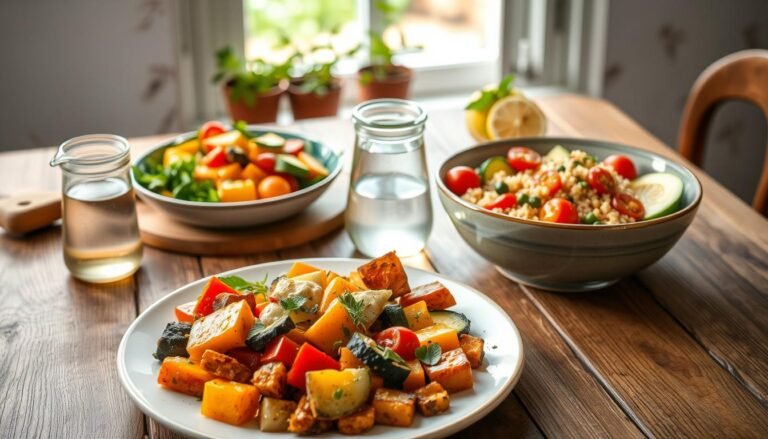
Busy weeknights leave little cooking time, but sheet-pan roasting helps. One pan makes delicious roasted vegetable meals and keeps cleanup easy. This simple method gives you a healthy dinner without hours at the stove.
For best results, group produce by cooking time. Dense vegetables such as carrots, potatoes, and beets need more oven time. Cut them into small, even pieces to help them cook faster.
Add faster-cooking foods like zucchini, bell peppers, or asparagus later. Start harder vegetables first, then add softer ones halfway through roasting. This helps everything finish together without mushy or burnt pieces.
Add chickpeas, tofu, chicken, or salmon
You can easily turn your tray of produce into one of your favorite quick weeknight dinners by adding a protein. Toss in a can of rinsed chickpeas or cubes of firm tofu for a plant-based boost. If you prefer meat, place chicken breasts or salmon fillets directly on the sheet pan.
These proteins roast beautifully beside vegetables, absorbing savory juices and seasonings. This method creates a complete, balanced meal that satisfies and feels easy to prepare. Season everything with olive oil, salt, and your favorite herbs, then let the oven do the work.
Fresh Skillet, Stir-Fry, and Sauté Ideas
Enjoy the speed and flexibility of healthy skillet meals in your daily cooking. With good heat control, you can make colorful, restaurant-quality dishes in your own kitchen. A hot pan helps vegetable stir-fry keep nutrients and a crisp, tender texture.
Use a hot pan and avoid overcrowding
Heat your pan well before adding ingredients to create a rich sear. Adding too many vegetables at once quickly lowers the heat and traps steam. Your crisp vegetables may become soggy instead of browned and flavorful.
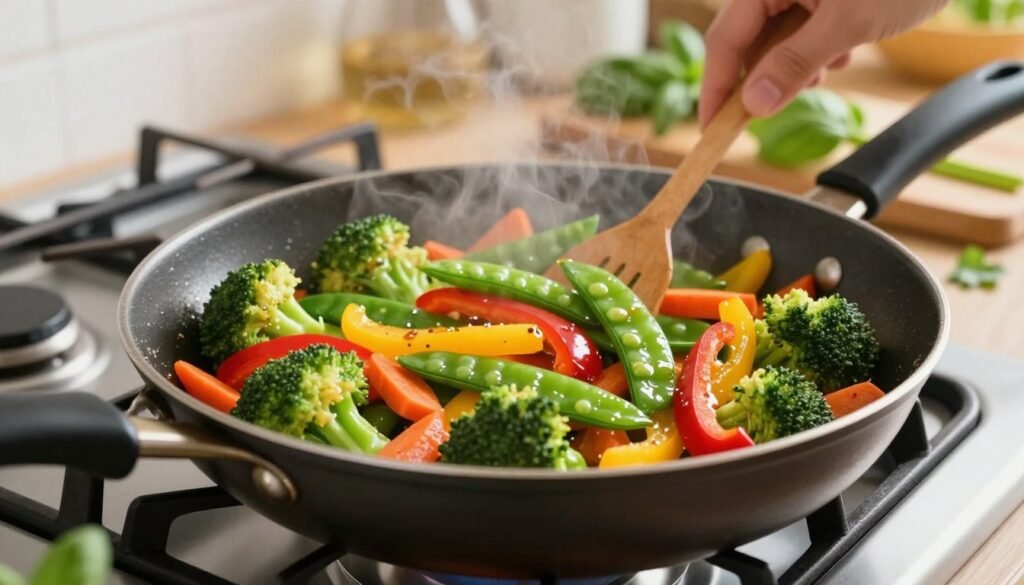
Cook smaller batches when your pan is not large enough. Space around each piece helps the produce caramelize properly. This simple step keeps healthy skillet meals colorful and satisfyingly crisp.
Balance a quick sauce with low-sodium soy sauce, ginger, and lime
Add a bold sauce after the vegetables finish cooking. A quick homemade sauce brings your vegetable stir-fry together without heavy, store-bought additives. Begin with low-sodium soy sauce for savory depth without too much salt.
Whisk in freshly grated ginger for a bright, spicy kick, then add lime juice for needed acidity. For a hint of sweetness, use a tiny drizzle of honey or maple syrup. This light, zesty blend creates a professional finish and makes home cooking feel special.
Comforting Soups, Stews, and One-Pot Vegetable Dishes
One-pot cooking makes weeknight dinners less stressful and full of flavor. Combine fresh produce with pantry staples, such as grains, lentils, or pasta, for satisfying texture. These meals often taste better the next day, making dependable leftovers for busy weeks.
When you want simplicity, one-pot vegetable meals offer many creative options. Add seasonal greens or root vegetables to make a hearty dinner with what you have. These forgiving recipes adapt easily to your preferences.
Adjust broth, beans, and vegetables for a balanced meal
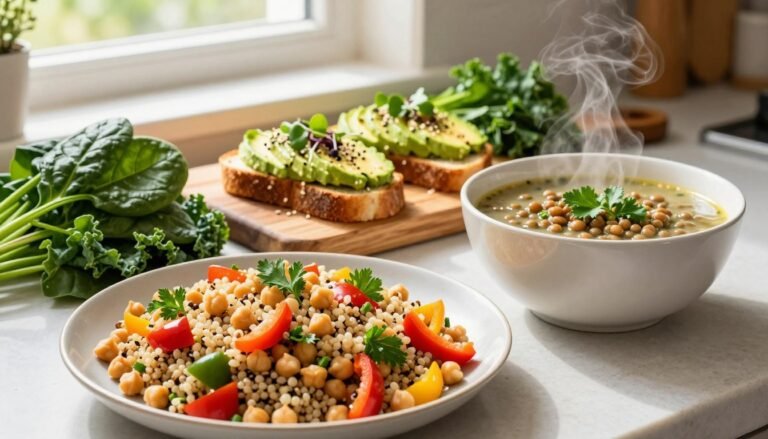
Great vegetable soup recipes begin with balanced ingredients. Adjust the broth to change a light soup into a thick, chunky stew. Beans or lentils add plant-based protein and fiber, making each bowl more filling.
If your pot looks empty, add kale, carrots, or zucchini to increase the volume. Taste your creation near the end of cooking. Because canned beans, store-bought broth, and other prepared ingredients vary in sodium, taste before serving to ensure perfect seasoning.
Experimenting with these vegetable soup recipes teaches you to build layers of flavor without extra effort. Keep your pantry stocked with high-quality beans and low-sodium broths, so you can always whip up a nutritious meal. This approach makes healthy eating feel natural each day.
Easy No-Cook and Lightly Cooked Vegetable Meals
Some of the best meals need no oven. Build no-cook vegetable meals with fresh, crisp produce and simple assembly. Try crisp lettuce wraps, hearty grain bowls, or colorful snack plates featuring naturally sweet raw vegetables.
Building a satisfying meal without heat is easier than you might think. Pair raw vegetables with protein or whole grains to create a balanced dish that keeps you full. These combinations offer a refreshing change during busy days.
To make light vegetable meals satisfying, add a little richness. Creamy toppings contrast with crunchy cucumbers, peppers, and carrots. They add healthy fats and nutrients, making your meal feel complete.
Spread thick hummus on a whole-grain sandwich, or use Greek yogurt as a savory dip base. Avocado adds a buttery texture that pairs well with almost any raw vegetable. A tahini drizzle can lift a simple bowl of greens into a gourmet experience without cooking.
Smart Vegetable Prep for Faster Cooking All Week
Smart vegetable meal prep can improve your kitchen routine. Wash, trim, and portion produce on Sunday to cut weekday cooking time in half. This habit keeps healthy ingredients ready to grab whenever you need them.
Keep sturdy vegetables separate from delicate greens
Store produce according to its texture and moisture needs. Keep sturdy vegetables, such as carrots, broccoli, and peppers, in one area. Store delicate greens, such as spinach or arugula, separately because they absorb moisture and spoil faster.
Use airtight containers and paper towels to manage moisture
Learning how to store cut vegetables keeps them crisp. Place a dry paper towel inside your airtight containers to absorb extra condensation. This prevents your vegetables from becoming limp or slimy before you cook them.
When you learn how to store cut vegetables, you reduce food waste significantly. Proper storage keeps ingredients fresh for any quick stir-fry or salad. These small steps in your weekly routine make healthy eating much easier.
How to Make Veggie Meals Balanced and Satisfying
Satisfying vegetarian meals need more than roasted produce. Combine vegetables with protein, fiber-rich carbohydrates, and healthy fats to keep your energy steady.
Vegetables alone may leave you hungry soon after eating. Add protein to turn a simple side dish into a complete, filling meal.
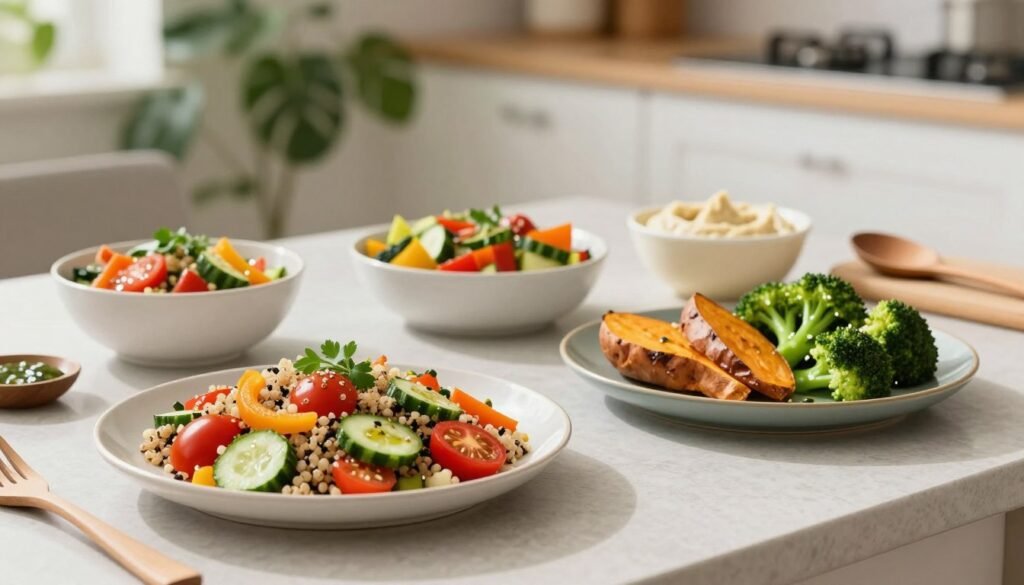
Keep many excellent vegetable protein ideas in your pantry or fridge. Toss beans, lentils, or chickpeas into your favorite stir-fry for an instant boost. Tofu and tempeh also absorb sauces and spices beautifully.
Try quick additions like eggs, Greek yogurt, nuts, and seeds. A dollop of Greek yogurt adds creaminess to soups, while a handful of toasted nuts provides satisfying crunch. These simple swaps create balanced veggie meals that keep you full for hours.
Different textures and flavors can make a plate feel complete. Combine soft roasted squash with crunchy pumpkin seeds or creamy avocado. These elements keep your palate interested and make dinner feel like a main event, not side dishes.


Conclusion
Change your daily diet with simple shifts in how you use the stove. Create easy healthy meals with bold seasonings and bright, acidic finishes, such as lemon juice or balsamic vinegar.
These small changes make food taste vibrant and exciting. With steady habits, cooking can become a stress-free part of your day.
Creative ways to eat more vegetables can fit your busy lifestyle. Try sheet-pan dinners, quick skillet stir-fries, or hearty bowls filled with fresh produce.
Choose two or three techniques that fit your schedule this week. Rotate favorite vegetables, proteins, and sauces to keep your palate interested.
Brands like OXO or Lodge make reliable tools that simplify your prep work. Value progress over perfection as you build confidence in the kitchen.
Your journey toward better nutrition depends on these repeatable actions. Start small, stay curious, and enjoy nourishing your body with delicious, plant-forward dishes.