Vegetarian Clean Eating Ideas
Have you ever wondered if changing your dinner plate could boost your energy? Many people in the United States find that eating whole, minimally processed foods improves their daily vitality.
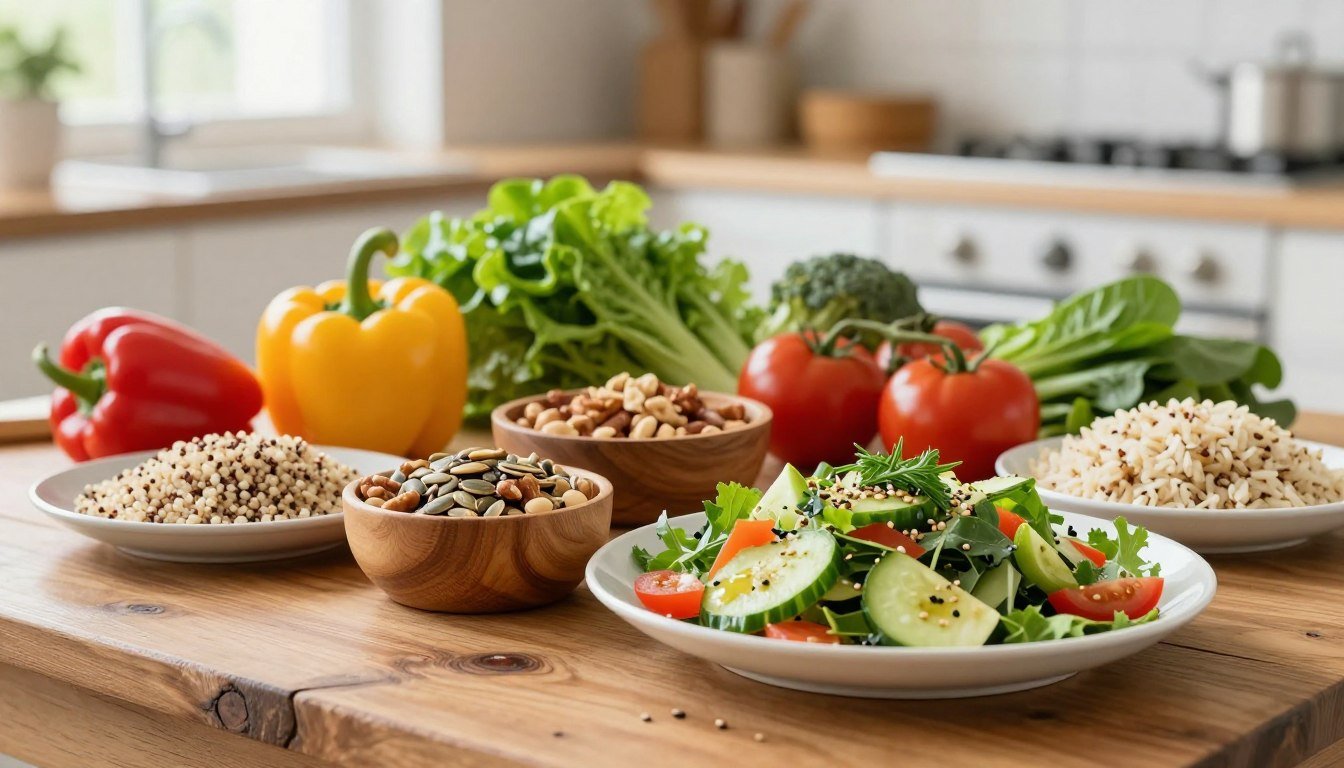
Adopting a vegetarian clean eating lifestyle means building satisfying meals with vegetables, fruits, legumes, grains, nuts, and seeds. You do not need perfection or to remove every packaged item from your pantry overnight.
This guide offers practical vegetarian clean eating ideas to support your journey. We will explore twelve essential topics: simple breakfast swaps, hearty lunches, quick dinners, and smart snacks. You will learn meal prep, shop on a budget, and overcome hurdles through small, sustainable changes for your unique life.
Key Takeaways
- Focus on whole, minimally processed plant foods for better health.
- Small, gradual changes are more sustainable than aiming for perfection.
- Mastering meal prep saves time and keeps your nutrition on track.
- Smart shopping habits make healthy living affordable for everyone.
- You can enjoy delicious, satisfying meals without strict restrictions.
What Vegetarian Clean Eating Can Look Like in Your Everyday Life
A balanced vegetarian diet starts with small, lasting choices each day. Rather than follow strict rules, use food to fuel your body with whole, unprocessed ingredients. This approach lets you enjoy many tasty, nutrient-dense foods.
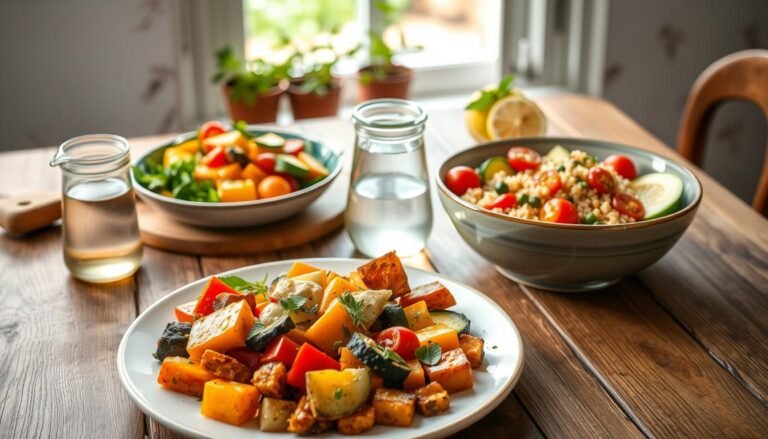
A simple clean eating meal plan helps organize your day without stress. Add staples such as fresh vegetables, seasonal fruits, hearty beans, and protein-rich lentils. These foods build your kitchen basics and make cooking much faster.
To keep energy steady, include protein, fiber, healthy fats, and complex carbohydrates at every meal. For example, pair whole grains like quinoa with roasted nuts and seeds for a satisfying crunch. Eggs or fortified dairy alternatives provide essential nutrients your body needs to thrive.
This flexible eating style works well for busy households across the United States. Repeatable meals and accessible ingredients help you maintain a clean eating meal plan for your unique schedule. Consistency matters more than perfection as you build these healthy habits.
Vegetarian Clean Eating Ideas for a Nourishing Breakfast
These simple vegetarian breakfast ideas can make your mornings fresh and satisfying. Whole foods provide steady energy for your to-do list. Choose sweet or savory foods to keep breakfast interesting.
Try overnight oats with Greek yogurt and fresh berries for a quick, grab-and-go meal. With extra time, make tofu scramble with colorful bell peppers and spinach. You can also enjoy cottage cheese with sliced almonds or a smoothie with fruit, seeds, and plant-based milk.
A high protein vegetarian breakfast can help you stay full until lunch. Add eggs, Greek yogurt, or hemp hearts to increase your protein. These foods provide fuel and help keep your metabolism steady all morning.
Plant-based foods like nut butter, chia seeds, and tofu also pack useful protein. Spread almond butter on toast or stir chia seeds into oatmeal for an easy boost. These healthy vegetarian recipes use simple, whole-food ingredients already in your pantry.
On busy mornings, prepare your ingredients the night before to save time. Keep pre-portioned yogurt and washed fruit in your fridge for a nutritious start. Protein-rich choices can support your clean eating goals at home.
Fresh Vegetarian Lunches You Can Assemble Quickly
Make your lunch break bright with these quick plant-based options. A quick vegetarian lunch can keep you full until dinner. Keep a few staples ready, and you can build a nutritious meal in minutes.
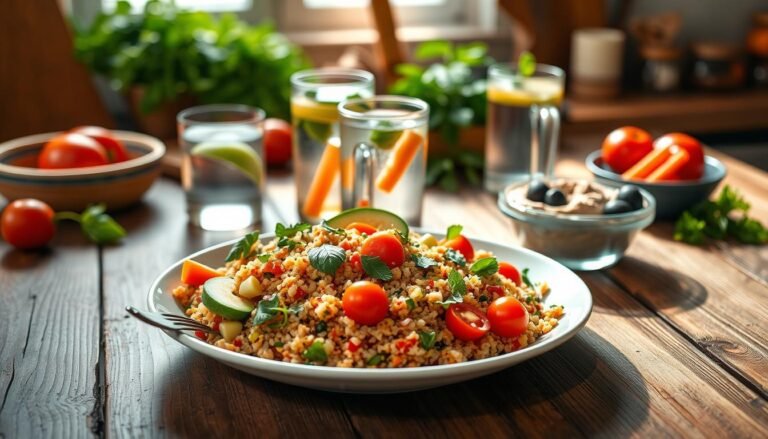
Build a hearty grain bowl with pre-cooked quinoa or farro, chickpeas, and fresh greens. For a handheld meal, fill hummus wraps with shredded carrots, cucumbers, and sprouts—excellent vegetarian lunch ideas. You can also add leftover roasted vegetables to warm lentil soup or a baked sweet potato.
A satisfying meal follows a simple formula. Include a solid protein source, such as beans or tofu, colorful produce, and whole grains. These healthy vegetarian recipes provide energy for your afternoon.
Simple dressings and toppings that keep lunch flavorful
The secret to a delicious quick vegetarian lunch is a great sauce. Whisk olive oil, lemon juice, and dried herbs for a bright dressing. For a creamy sauce, mix tahini with a little water and garlic.
These vegetarian lunch ideas also benefit from crunchy toppings, such as toasted seeds or nuts. A dollop of Greek yogurt or a splash of apple cider vinegar adds a tangy finish. Experiment with cumin or smoked paprika to keep your healthy vegetarian recipes fresh and exciting each day.
Easy Vegetarian Dinners Built Around Whole Foods
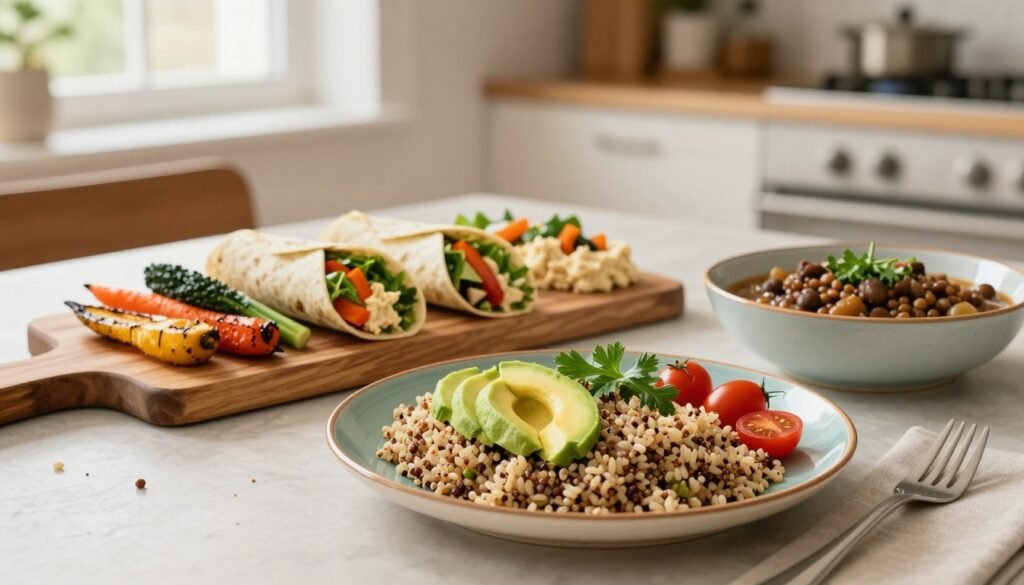
Let’s build satisfying meatless dinner ideas with simple, whole ingredients. You can enjoy a hearty meal after a long day without processed alternatives. Pantry staples like beans, lentils, and grains help you make whole food vegetarian meals that keep you full and energized.
How to create a balanced dinner without relying on meat substitutes
Build a balanced plate by combining the right foods. Choose affordable plant-based proteins, such as chickpeas, tofu, tempeh, or black beans. They provide a nutritious base for many healthy vegetarian dinner options.
Add colorful vegetables for fiber and essential vitamins. Include filling carbohydrates like brown rice, quinoa, or whole-wheat pasta. Finish with healthy fat from avocado, nuts, or olive oil so your body feels satisfied.
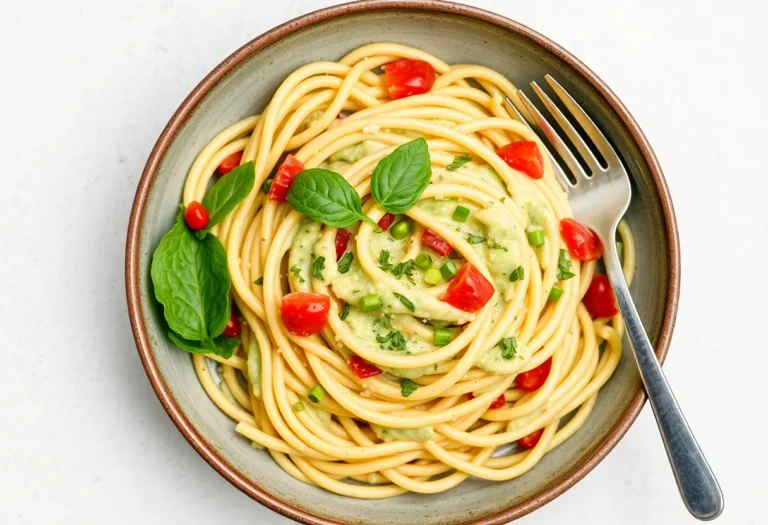
Use these building blocks to create endless whole food vegetarian meals. Try zesty lentil tacos, fragrant chickpea curry, or a quick vegetable stir-fry over fluffy quinoa. For comfort, make hearty bean chili or roasted vegetable pasta for a perfect weeknight dinner.
These meatless dinner ideas use simple cooking techniques anyone can master. Keep your pantry stocked with versatile ingredients, and make a healthy vegetarian dinner in no time. Enjoy nourishing your body with fresh, wholesome food every evening.
High-Protein Vegetarian Clean Eating Ideas
High protein vegetarian meals can help you stay energized throughout the day. Choose beans, lentils, peas, tofu, tempeh, or edamame for plenty of options. Add eggs, dairy, nuts, seeds, and protein-rich whole grains to round out your plate.
Estimate your protein needs and spread protein across the day
Your protein needs depend on your body size, age, activity level, and health goals. Because needs vary, seek professional guidance for personalized targets. Spread your plant based protein across breakfast, lunch, dinner, and snacks.
Spreading protein across meals can help keep your energy steady all day. It gives your body a steady supply of amino acids for muscle repair and fullness. This plan makes it easier to meet your daily nutrition needs.
Flavor high-protein ingredients with herbs, spices, and homemade sauces
Healthy food should never taste bland or boring. Elevate high protein vegetarian meals with fresh herbs, spices, garlic, and ginger. Add citrus or chili to brighten your ingredients’ natural flavors.
Top bowls with homemade salsa, creamy yogurt sauces, or savory tahini dressings. These additions turn basic staples into satisfying, restaurant-quality dishes. Bold flavors can keep your clean eating journey exciting and delicious.
Clean Eating Snacks That Keep You Satisfied
When hunger strikes between meals, having good options ready makes a big difference. The right vegetarian snacks help maintain steady energy instead of causing a mid-afternoon crash. Pair fiber-rich carbohydrates with protein or healthy fat for the best results.
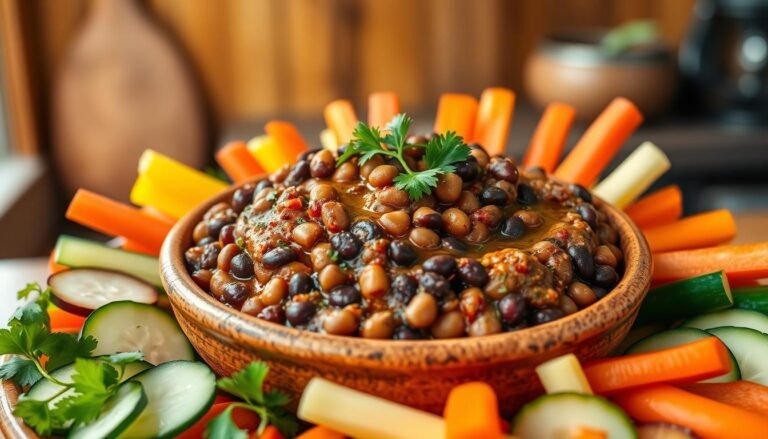
Try dipping crisp apple slices into almond butter or pairing crunchy carrot sticks with creamy hummus. You might enjoy Greek yogurt with fresh berries or roasted chickpeas for savory crunch. These combinations keep you full much longer than one sugary item.
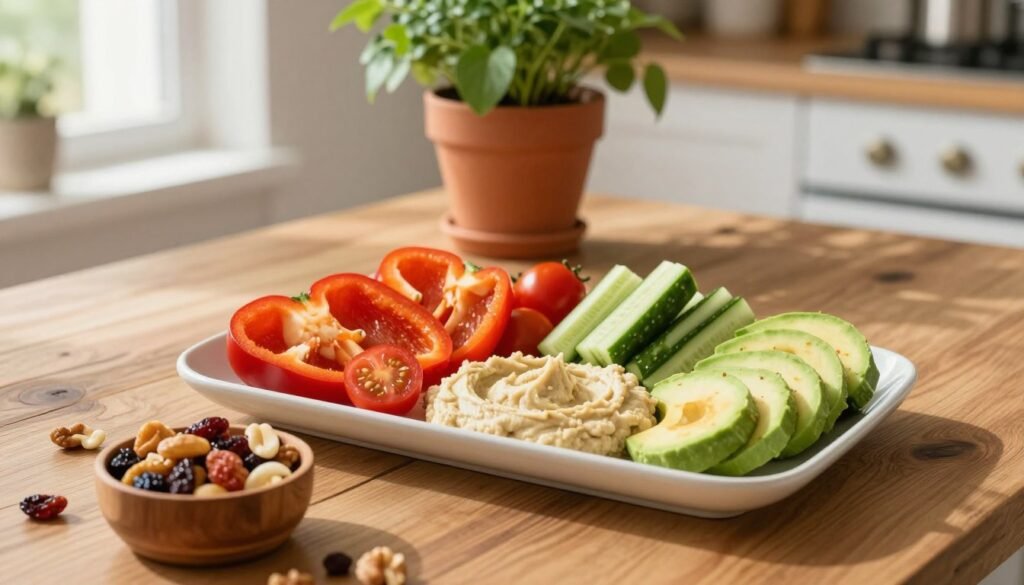
For variety, keep whole-grain crackers with cottage cheese or homemade trail mix with raw nuts and seeds. These easy vegetarian recipes suit busy workdays and afternoons at home. Prepare them in advance so you always have a nutritious choice within reach.
Portion snacks so you can enjoy them without mindless eating
It is easy to overeat when you snack from a large bag or box. Instead, portion food into small bowls, glass jars, or reusable containers. This habit supports mindful eating and helps prevent finishing a package without realizing it.
Organizing snacks ahead of time creates a system that supports your health goals. Whether packing for school, errands, or a long office day, these easy vegetarian recipes provide needed fuel. Controlling portions is a small step toward big results in your daily routine.
Simple Meal Prep for a Vegetarian Week
A simple vegetarian meal prep routine can make your kitchen work easier. Set aside a short weekend period for basic prep. Wash produce, roast seasonal vegetables, and cook a large batch of hearty grains, like quinoa or farro.
With these staples ready, you can build nutritious bowls in minutes. Prepare versatile dressings and portion breakfast components, such as overnight oats or chia puddings, for busy mornings.
A successful clean eating meal plan uses mix-and-match ingredients rather than cooking seven completely different recipes. This method keeps flexible building blocks in your fridge for different meals all week.
Prepare only the components you know you will use. This keeps food fresh, limits waste, and helps ingredients stay vibrant and delicious until the last meal of the week.
Use safe refrigeration and freezing practices for prepared food
Food safety is vital in any clean eating meal plan. Always cool cooked items promptly before placing them in the refrigerator to help prevent bacterial growth.
Store prepared foods in shallow, airtight containers so they cool evenly and stay fresh longer. Write the date on each container to know what to eat first.
When ready to eat leftovers, reheat them thoroughly until steaming hot. These steps keep your vegetarian meal prep safe and convenient each day.
Smart Grocery Shopping for Fresh Vegetarian Meals
A clear plan keeps your kitchen stocked with healthy vegetarian options. Planning your trip saves time and money. A well-organized vegetarian grocery list helps you choose ingredients for weekly meals.
Create a grocery list based on meals rather than impulse purchases
Plan breakfasts, lunches, dinners, and snacks for the week. Check your pantry and refrigerator first. This prevents duplicate purchases and helps you use food already in your kitchen.
Organize your vegetarian grocery list by store categories for a faster trip. Group items into fresh produce, plant-based proteins, whole grains, and pantry staples. This layout helps you move through aisles without backtracking.
Choose seasonal produce for the best flavor and value. Beans, lentils, quinoa, and hearty greens work in many recipes. These flexible staples reduce the need for extra shopping trips.
Finally, follow your list to avoid impulse purchases. A structured vegetarian grocery list supports a consistent, nourishing diet at home. With some preparation, each store trip can support your health goals.
How to Make Vegetarian Clean Eating Affordable and Practical
A vegetarian lifestyle can stay affordable with smart planning. Build budget vegetarian meals around dried beans, lentils, oats, and brown rice. These inexpensive, shelf-stable foods support a healthy diet.
Seasonal produce and frozen vegetables can also lower your grocery costs. Cabbage, carrots, and potatoes often cost less and provide excellent nutrition. These whole foods help you avoid pricey processed convenience items.
Plant based protein can help lower food costs. Buy dry lentils and beans in bulk to reduce each serving’s cost compared with packaged options. Large batches save time and keep a healthy meal base ready.
Add plant based protein to your weekly meals without breaking the bank. Compare local store prices and choose store-brand staples to increase your savings. Meal planning helps you use each ingredient, prevent waste, and lower your grocery bill.
Use simple pantry sauces instead of buying expensive specialty products
Specialty sauces can cost more and include additives you do not need. Make flavorful dressings with peanut butter, tahini, tomato paste, vinegar, citrus, fresh herbs, and spices. Whisk them together to turn a simple dish into a gourmet experience.
Plain yogurt also makes a creamy sauce or dressing base. These homemade choices cost less and are healthier than store-bought alternatives. Once you master these combinations, easy vegetarian recipes become simple on busy weeknights.
Repurpose leftovers to keep your kitchen efficient. Extra roasted vegetables and grains can become soup, a hearty grain bowl, or a quick skillet meal. Leftover beans and vegetables can become a filling frittata or wrap for tomorrow’s lunch.
Common Challenges When You Start Eating More Vegetarian Meals
Starting a plant-forward lifestyle can bring hurdles that surprise you. You may feel unsure about getting enough protein or using unfamiliar ingredients. These vegetarian eating challenges are normal when you are just starting.
Focus on a balanced vegetarian diet that fits your life. If meals lack variety, try one new grain or legume each week. This keeps your plate exciting without overwhelming your schedule.
Increasing fiber too quickly can cause digestive discomfort. Introduce beans, lentils, and chickpeas slowly to prevent this problem. Drinking plenty of water helps your body adjust to these healthy changes.
Planning ahead is another common hurdle, especially when life gets busy. You can simplify your routine by prepping versatile staples, such as roasted vegetables or cooked quinoa, on the weekend. Ready ingredients make quick meals easier after a long day.
Restaurants and family preferences can also create vegetarian eating challenges. Choose restaurants with customizable bowls or salads, and ask for modifications. When cooking for others, make familiar meat-free comfort foods, such as hearty pasta dishes or tacos.
Building a balanced vegetarian diet is a personal journey, not strict rules. If a meal feels incomplete, add healthy fat, such as avocado or a sprinkle of nuts. Build habits that work for you, stay flexible, and enjoy the process.


Conclusion
A whole-food lifestyle can transform how you relate to food. You now have vegetarian clean eating ideas for hearty breakfasts and quick, satisfying dinners.
Build balanced plates with fresh produce, plant-based proteins, and healthy fats. You do not need perfection to see results. Small, steady habit changes can create lasting change.
Choose one practical step to begin today. Prepare overnight oats, write a simple grocery list, or blend a fresh homemade sauce. These small actions build momentum over time.
Vegetarian clean eating offers a flexible, affordable way to fuel your body. You have the power to make plant-based meals manageable and delicious every day. Enjoy discovering new flavors while nourishing your health.